

Top 100 Reasons to Become a Teacher
Teaching is a career for people who want purpose, human connection, lifelong learning, and real influence on the future.
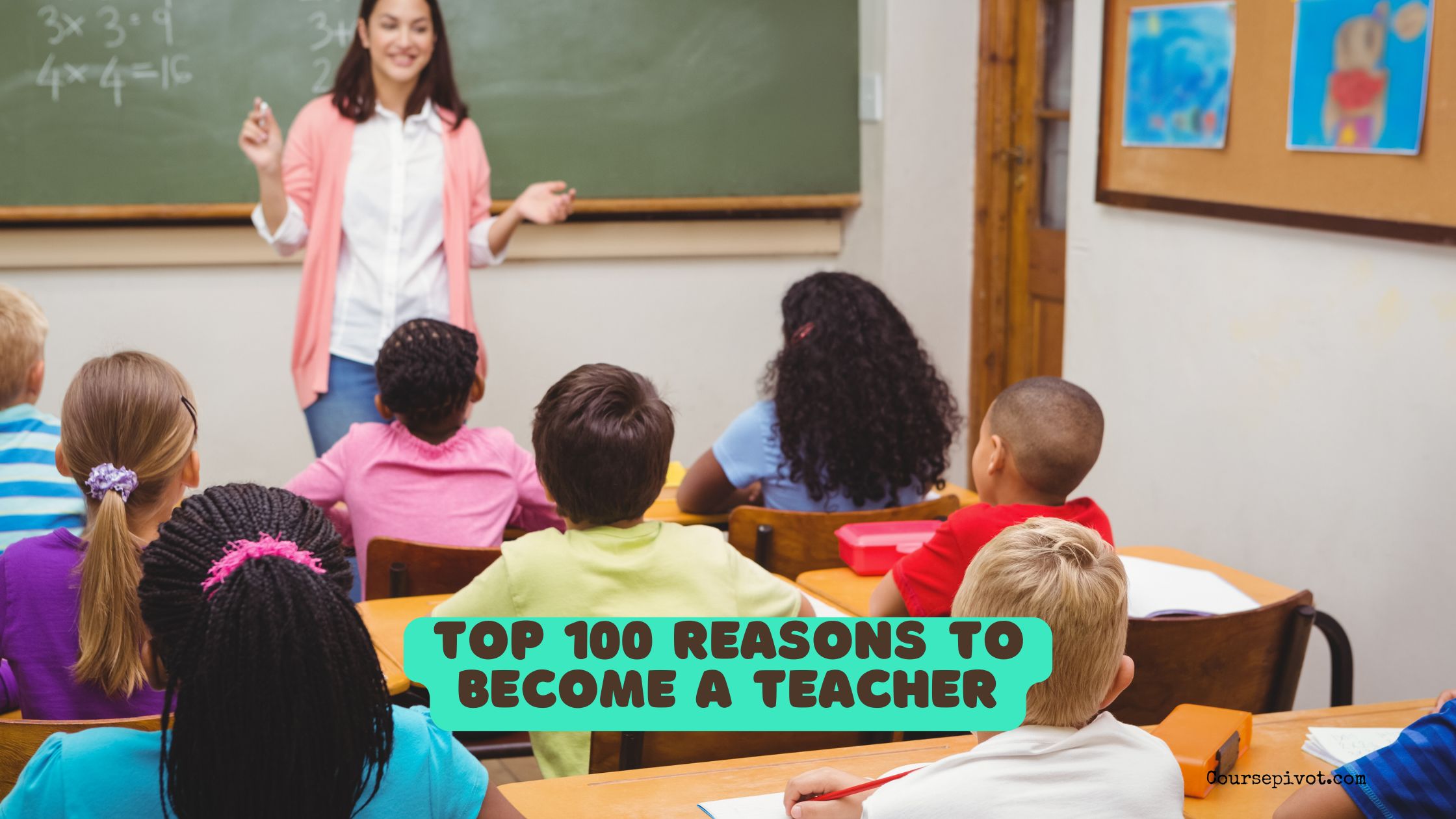
The top 100 reasons to become a teacher all come back to one powerful idea: teaching gives you the chance to help people grow. If you are thinking about a teaching career, you may be asking whether the profession is meaningful, stable, creative, respected, or worth the effort. The short answer is yes, for the right person. Teaching can offer purpose, daily human connection, professional growth, and the rare chance to influence lives in a direct way.
Teaching is not an easy career. It requires patience, preparation, emotional strength, and a real commitment to students. But that is also why it matters. Becoming a teacher means choosing work where your effort can become someone else’s confidence, skill, opportunity, or direction.
This guide gives 100 reasons to become a teacher, with a balanced look at what makes the profession rewarding and what future teachers should understand before entering the classroom.
Why People Choose Teaching
People become teachers for different reasons. Some love a subject and want to help others understand it. Some were inspired by a teacher who changed their life. Others want a career that feels useful, people-centered, and connected to the future.
Teaching is also one of the few professions where impact is visible in small moments. A student finally understands a math problem. A quiet learner gains confidence. A class discussion changes how students think. A struggling student realizes they are not incapable; they simply needed the right support.
That is why many people see teaching as the best profession. It is work with pressure, but also work with purpose.
Quick question: should you become a teacher only because you love children or young people?
No. Liking students matters, but teaching also requires planning, communication, classroom management, subject knowledge, fairness, and resilience. The best teachers combine care with professional skill.
Top 100 Reasons to Become a Teacher
- Teaching lets you make a direct difference in students’ lives.
- You can help students believe they are capable of learning.
- You get to share knowledge that can shape a student’s future.
- Teaching gives your work a clear sense of purpose.
- You can help students discover their strengths.
- You can support learners who feel overlooked or discouraged.
- You can make difficult subjects easier to understand.
- Teaching helps students build confidence through practice.
- You can influence how young people think about themselves.
- You can encourage students to ask better questions.
- Teaching supports every other profession.
- You help prepare future nurses, engineers, writers, scientists, leaders, and entrepreneurs.
- You can model patience and calm problem-solving.
- You can make school feel more meaningful for students.
- Teaching gives you daily human interaction.
- You rarely have two days that feel exactly the same.
- You can use creativity in lessons, examples, projects, and discussions.
- Teaching keeps your mind active.
- You continue learning while helping others learn.
- You can build strong communication skills.
- Teaching helps you become a better listener.
- You learn how to explain complex ideas simply.
- You develop leadership through classroom guidance.
- You learn to manage groups respectfully.
- You become skilled at solving problems quickly.
- Teaching can strengthen your emotional intelligence.
- You learn how to motivate different personalities.
- You can create a positive classroom culture.
- Teaching allows you to celebrate small wins often.
- You can see progress over time.
- You can help students prepare for exams without making grades their whole identity.
- You can teach students practical study habits.
- You can help students become more organized.
- You can guide students toward better decision-making.
- Teaching lets you encourage curiosity.
- You can make reading, writing, math, science, history, or art feel alive.
- You can connect lessons to real-life examples.
- You can help students understand why education matters.
- Teaching lets you support students beyond academic content.
- You can help students develop resilience after failure.
- You can be the adult who notices when a student is trying.
- You can offer encouragement at the right moment.
- You can help students feel safe enough to participate.
- You can build trust with families and communities.
- Teaching strengthens local communities.
- You can contribute to fairness by expanding access to knowledge.
- You can support first-generation learners.
- You can help students from different backgrounds feel included.
- Teaching gives you opportunities to mentor.
- You can become a role model without needing to be perfect.
- You can help students practice respectful disagreement.
- You can teach digital responsibility and media literacy.
- You can guide students on how to use technology wisely.
- You can help students understand credible sources.
- Teaching prepares students for college, careers, and daily life.
- You can teach skills that students will use outside school.
- You can influence students’ attitudes toward work and responsibility.
- You can show students that effort matters.
- You can help students separate mistakes from identity.
- You can encourage independent thinking.
- Teaching offers opportunities for specialization.
- You can teach a subject you genuinely enjoy.
- You can work with different age groups.
- You can move into curriculum, counseling, administration, tutoring, training, or educational writing later.
- Teaching can open doors to leadership roles.
- You can keep improving your methods over time.
- You can collaborate with other educators.
- You can learn from students’ questions and perspectives.
- Teaching gives you stories and experiences that stay with you.
- You can experience the reward of former students remembering your help.
- You can build a career rooted in service.
- Teaching can give structure and rhythm to your year.
- You can contribute to society in a visible way.
- You can help students find hope during difficult seasons.
- You can support students who are unsure about their future.
- Teaching helps you practice fairness every day.
- You can learn to balance firmness with kindness.
- You can help students understand consequences.
- You can create lessons that make students think deeply.
- You can make learning interactive through discussions, projects, and experiments.
- You can help students develop teamwork skills.
- You can encourage leadership in students.
- You can help students build presentation skills.
- You can guide students toward better writing and communication.
- You can encourage healthy ambition.
- Teaching lets you protect the value of education.
- You can help students see school as more than rules and tests.
- You can support student choice when it improves motivation.
- You can help learners connect classes to goals.
- You can be part of a student’s turning point.
- You can help students who think school is a waste see a clearer purpose in learning.
- You can encourage students to explore strengths through choosing classes.
- You can inspire students to enter caring professions, including why nursing is noble.
- You can model lifelong learning in a practical way.
- You can help students prepare for a world that changes quickly.
- You can make knowledge feel less intimidating.
- You can turn confusion into confidence.
- You can leave a legacy through people, not just projects.
- You can wake up knowing your work has human value.
- You can become a teacher because helping people learn is one of the most meaningful ways to serve the future.
What Future Teachers Should Consider
Teaching is rewarding, but it is not a career to enter blindly. Good teachers need more than good intentions. They need preparation, patience, strong boundaries, and the ability to keep improving.
| Question to ask yourself | Why it matters |
|---|---|
| Do I enjoy explaining ideas clearly? | Teaching depends on communication. |
| Can I stay patient with repeated questions? | Students learn at different speeds. |
| Am I willing to keep learning? | Education changes, and teachers grow with it. |
| Can I be fair under pressure? | Students need consistency and trust. |
| Do I care about student development? | Teaching is about people, not just content. |
It is also worth knowing that teaching can be emotionally demanding. Students may bring stress, confusion, family pressure, or low confidence into the classroom. Teachers cannot solve everything, but they can create structure, encouragement, and a space where learning feels possible.
Skills That Make a Strong Teacher
Strong teachers are not all the same. Some are energetic and expressive. Some are calm and reflective. Some are deeply organized. Some are creative storytellers. What matters most is whether they help students learn in a respectful, consistent, and meaningful way.
Helpful teaching skills include:
- Clear explanation.
- Active listening.
- Lesson planning.
- Classroom management.
- Fair assessment.
- Adaptability.
- Subject knowledge.
- Empathy with boundaries.
- Professional communication.
- Patience during slow progress.
Quick question: do you need to be naturally confident to become a teacher?
Not always. Confidence can grow with preparation, practice, mentoring, and classroom experience. Many teachers become stronger because they keep learning from what works and what does not.
Why Teaching Still Matters
Teaching matters because students still need guidance. Search engines can provide information, but they cannot fully replace a teacher who notices confusion, adjusts an explanation, asks the right question, and encourages a learner to keep going.
Schools also need teachers who can help students think, not just memorize. In a world filled with information, students need adults who can guide them toward understanding, judgment, communication, and responsibility.
Teaching is worth considering if you want a career where your daily work connects to something larger than yourself. The profession asks a lot, but it also gives something rare: the chance to help people become more capable, confident, and prepared for life.