

20 Reasons why Teaching is the Best Profession
Teaching stands out because it combines purpose, growth, service, creativity, and daily human impact.
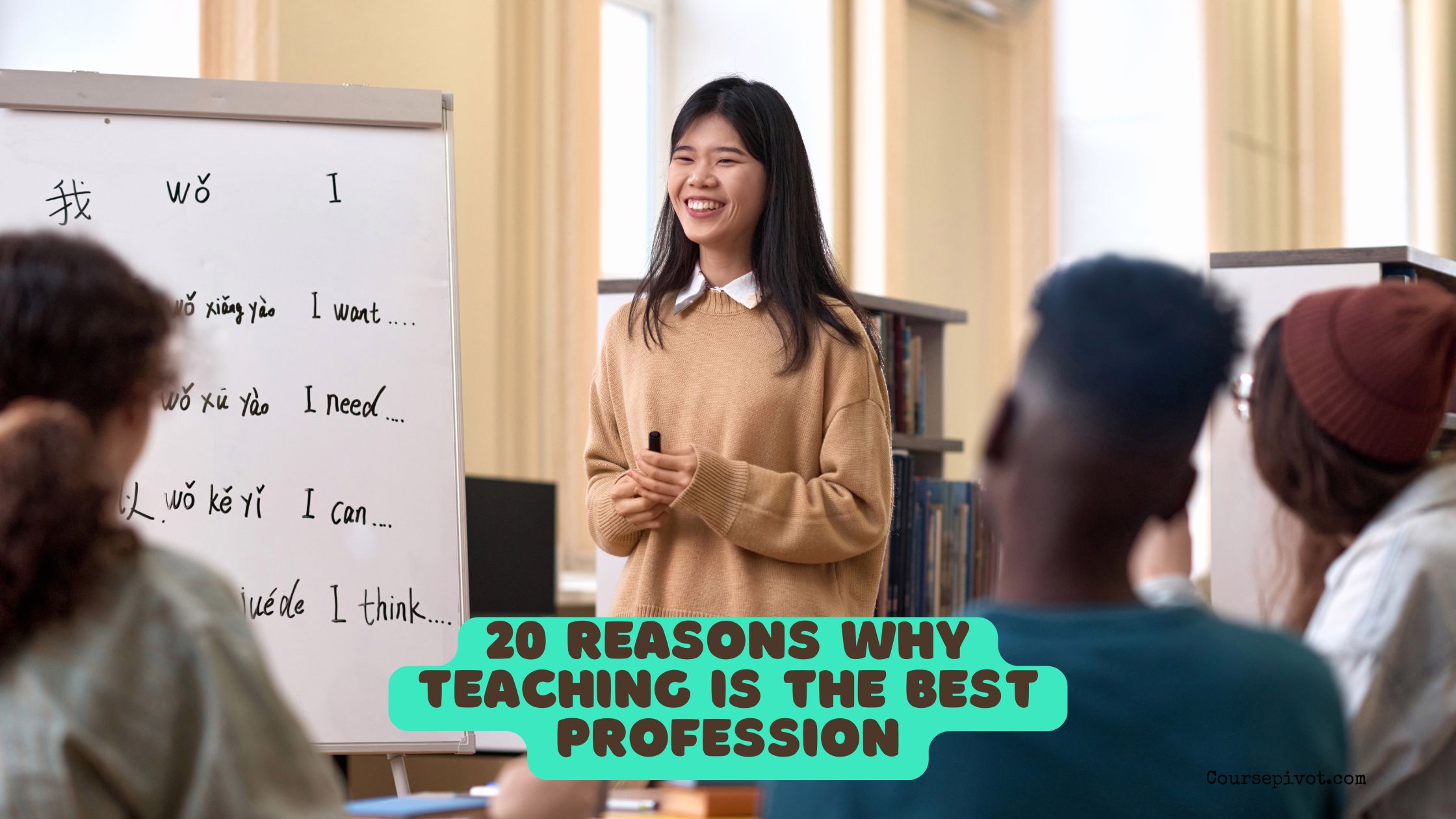
Teaching is the best profession for many people because it allows a person to shape minds, support growth, and leave an impact that can last for decades. A teacher does more than explain lessons. A good teacher helps students believe they can learn, think clearly, ask better questions, and prepare for life beyond the classroom.
That is why the teaching profession is often described as one of the most meaningful careers. It is not always easy, and it should never be romanticized as effortless work. Still, when people ask why teaching is the best profession, the strongest answer is simple: teachers help build the future by helping students become more capable in the present.
Why Teaching Is More Than a Job
Teaching is a profession built on people. Every lesson, explanation, correction, and encouragement has the potential to change how a student sees a subject, a skill, or even themselves. Unlike many jobs where the result is mostly a product, report, or transaction, teaching creates human growth.
That does not mean teachers carry the whole world alone. Students, parents, communities, and school systems all matter. But teachers occupy a rare position: they meet learners at the point where confusion can become understanding and insecurity can become confidence.
This is also why debates about whether school is a waste often return to the teacher. A weak system can make learning feel pointless, but a strong teacher can make education feel practical, personal, and alive.
Quick question: is teaching the best profession for everyone?
No. Teaching requires patience, preparation, communication, emotional strength, and a genuine interest in helping people learn. But for those who value purpose and impact, it can be one of the most rewarding careers.
20 Reasons Teaching Is the Best Profession
-
Teaching changes lives. A teacher can help a student discover confidence, discipline, curiosity, and direction. That kind of influence can stay with a person long after the class ends.
-
Teachers shape the future. Doctors, engineers, nurses, writers, designers, leaders, and business owners all pass through classrooms. Teaching supports every other profession by preparing the people who enter them.
-
Teaching creates daily purpose. Some jobs make people wonder whether their work matters. In teaching, the purpose is visible every day when a student understands something new or improves through practice.
-
Teachers build confidence. Many students do not fail because they are unable to learn. They struggle because they believe they cannot. A teacher can change that belief through guidance, patience, and honest encouragement.
-
Teaching encourages lifelong learning. Teachers keep learning too. They update lessons, adapt to new students, explore better examples, and improve how they explain ideas.
-
Teachers make difficult subjects approachable. A confusing topic can become manageable when a teacher breaks it down clearly. That ability to turn difficulty into understanding is one of the profession’s greatest strengths.
-
Teaching develops communication skills. Teachers learn how to explain, listen, question, simplify, and adjust their message for different learners. These skills are valuable in every part of life.
-
Teachers support personal growth. Education is not only about grades. Teachers also help students develop responsibility, resilience, respect, and better habits.
-
Teaching allows creativity. A teacher can use stories, examples, discussions, projects, visuals, demonstrations, and technology to make lessons more engaging.
-
Teachers help students see possibilities. Sometimes a student needs one adult to say, “You can do this.” That moment can influence how the student approaches future opportunities.
-
Teaching strengthens communities. Schools are part of local life. Good teachers help create stronger families, safer communities, and more informed citizens.
-
Teachers promote fairness through education. A caring classroom can give students from different backgrounds access to knowledge, guidance, and encouragement that may open doors later.
-
Teaching builds leadership. Teachers lead groups, manage challenges, guide discussions, make decisions, and model behavior. Leadership is part of the work every day.
-
Teachers learn from students. Every class brings different personalities, questions, cultures, and viewpoints. Teaching keeps a person connected to how young people think and experience the world.
-
Teaching rewards patience. Progress in education is not always instant. The profession teaches the value of steady support, repeated effort, and small improvements.
-
Teachers can make learning feel meaningful. When students understand why a topic matters, they become more willing to engage. This connects closely to the value of choosing classes because students learn better when education feels connected to their goals.
-
Teaching offers emotional reward. A thank-you note, a student’s improvement, a successful lesson, or a former learner’s success can remind teachers why the work matters.
-
Teachers inspire other helpers. Many caring professions begin with a teacher who encouraged a student to serve others. This is similar to why nursing is noble: both careers are rooted in care, responsibility, and human dignity.
-
Teaching prepares students for real life. Good teachers help students think, communicate, solve problems, manage time, and keep going when work becomes difficult.
-
Teaching leaves a lasting legacy. A teacher may never see every result of their work, but the influence continues through students, families, careers, and communities.
What Makes Teaching So Rewarding
The reward of teaching is not only salary, schedule, or job title. It is the feeling that your work has meaning beyond yourself. A teacher may spend one class period explaining a topic, but the result may be a student who chooses a career, passes a difficult course, gains confidence, or begins to enjoy learning again.
| Reward | What it looks like in teaching |
|---|---|
| Purpose | Helping students grow in knowledge and confidence |
| Creativity | Designing lessons that make ideas easier to understand |
| Connection | Building trust with students and families |
| Growth | Improving as a communicator, leader, and learner |
| Legacy | Leaving influence that continues beyond the classroom |
Teaching is also rewarding because it is never exactly the same. A lesson may be planned, but students bring questions, energy, confusion, humor, and unexpected insight. That keeps the profession active and human.
The Challenges That Make Teaching Meaningful
Teaching is demanding. Teachers manage classrooms, prepare lessons, grade work, support struggling students, communicate with parents, adapt to policies, and often work under pressure. The profession deserves respect because the work is complex.
But difficulty does not make teaching less valuable. In many cases, it proves why teaching matters. A profession that shapes people’s knowledge and confidence will naturally require skill, patience, and resilience.
Quick question: can teaching still be the best profession if it is stressful?
Yes. A profession can be difficult and meaningful at the same time. The important question is whether the purpose, impact, and growth make the effort worthwhile for the person doing the work.
Students also notice when teachers care. A calm explanation, a fair correction, a second chance, or a thoughtful comment can make a student feel seen. Those small moments are part of what makes teaching powerful.
Why Society Needs Great Teachers
Every society depends on education. Without teachers, knowledge does not transfer well from one generation to the next. Skills weaken, opportunities shrink, and young people lose guidance at one of the most important stages of life.
Great teachers do not only prepare students for exams. They prepare students to reason, communicate, collaborate, and contribute. They help learners understand facts, but they also help them build judgment.
That is why teaching deserves to be seen as one of the best professions. It supports every field, strengthens communities, and gives students tools they can carry for life. A teacher’s influence may begin in a classroom, but it rarely ends there. It continues whenever a former student uses what they learned to make a better decision, solve a problem, support another person, or believe in their own ability.