

Blog
What Is at Stake If an Insurance Company's Models Aren't Particularly Good at Predicting Risk?
An insurance company that cannot accurately predict risk either loses money on bad bets or loses customers to more accurate competitors. But the consequences go further than that — and can destabilize entire markets.

What Is Endurance Training? Understanding Its Four Essential Components
Endurance training is more than just running longer. Here's what it actually is and how its four core components — aerobic capacity, lactate threshold, movement efficiency, and recovery — work together.

What Is the Physically Hardest Sport?
Every athlete thinks their sport is the hardest. But when you apply objective criteria — aerobic demand, strength, skill, and environmental difficulty — certain sports consistently come out on top.

What It Actually Means to Be Financially Responsible
Financial responsibility isn't about being cheap or avoiding fun — it's a set of specific practices and mindsets around money. Here's what it actually looks like in practice.
What It Means to Adapt the Environment for Those with Special Needs
Environmental adaptation is the practice of modifying settings, materials, and systems so that people with disabilities can participate fully. Here's what it looks like across physical, sensory, cognitive, and social dimensions.
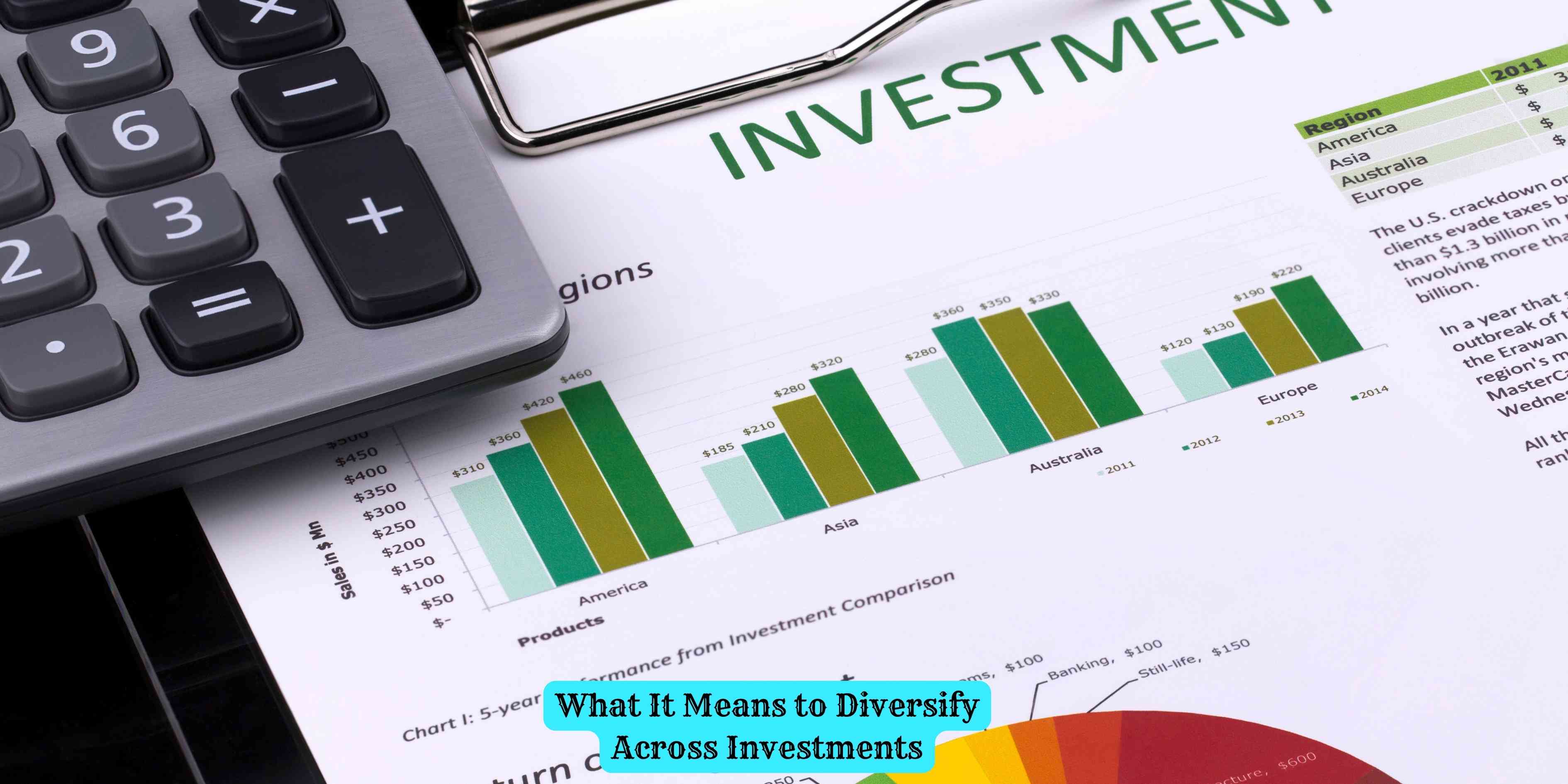
What It Means to Diversify Across Investments
Diversification is the closest thing to a free lunch in investing. Here's what it actually means, how it reduces risk, and what common mistakes undermine it.
What It Means to Diversify by Asset Class
Diversifying by asset class means owning stocks, bonds, real estate, and cash in proportions that match your risk tolerance and time horizon. Here's what each class is and how they work together.
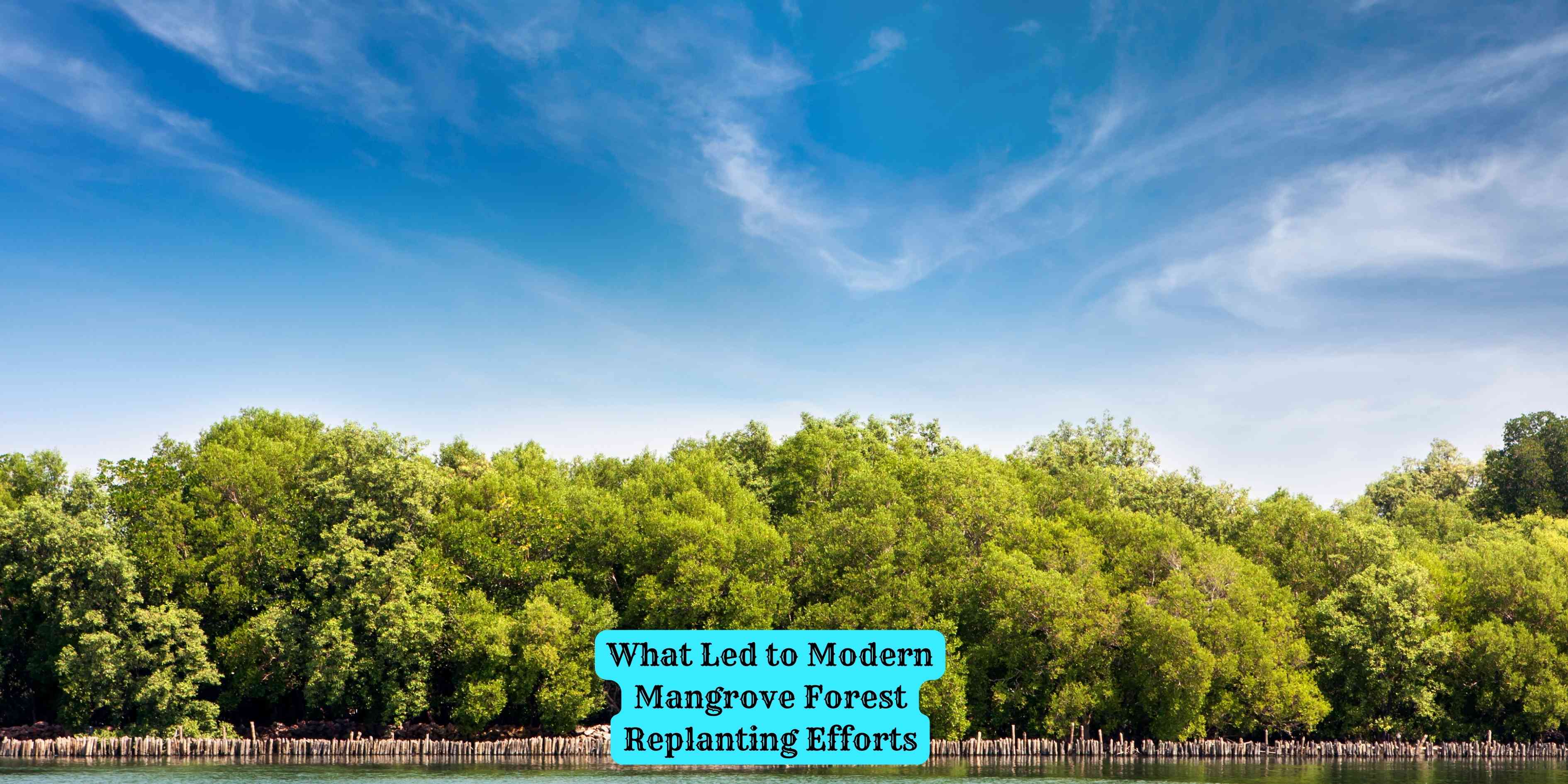
What Led to Modern Mangrove Forest Replanting Efforts
Mangroves were once cleared as wastelands. Now they're recognized as among the most ecologically valuable ecosystems on earth. Here's what changed — and what led to the global effort to restore them.
What Makes Alcoholism a Chronic, Rather Than Acute Disease
Alcoholism is classified as a chronic disease, not a moral failure or an acute episode. Here's what that classification means, what it explains, and why it matters for treatment.