

Is It Illegal to Own a Crow?
In the United States, owning a native crow is generally illegal without proper federal authorization.
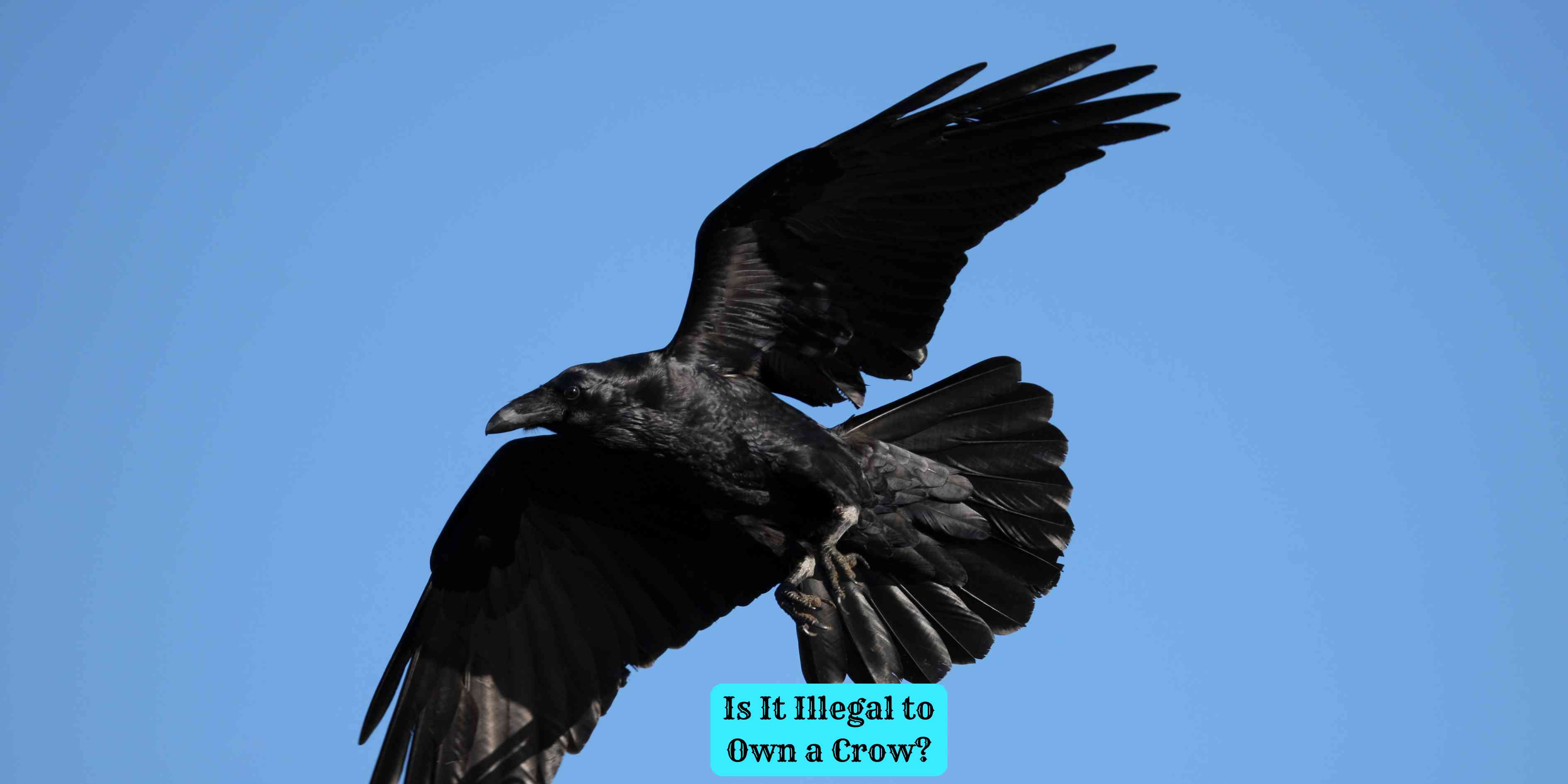
The Short Answer
Yes, in the United States it is generally illegal to own a native crow as a pet unless you have proper authorization. Crows are protected under the Migratory Bird Treaty Act, which restricts taking, capturing, possessing, selling, transporting, or keeping protected migratory birds without permission from the U.S. Fish and Wildlife Service.
This applies even if the crow seems friendly, orphaned, injured, or abandoned. Good intentions do not automatically make possession legal.
If you find a crow that needs help, contact a licensed wildlife rehabilitator instead of trying to keep it.
Why Crows Are Protected
Crows are native wild birds, not domestic pets. Federal law protects many migratory bird species because unregulated capture, trade, and killing can harm wild populations.
The Migratory Bird Treaty Act is broad. It does not only apply to rare birds. It also covers many common birds people see every day, including crows.
What Counts as Possession
Possession can include keeping a live crow in your home, cage, yard, or enclosure. It can also include keeping bird parts, eggs, nests, or feathers from protected birds without authorization.
That surprises many people because a feather on the ground may seem harmless. But the law is written broadly to prevent illegal trade and make enforcement possible.
What If the Crow Is Injured?
If you find an injured crow, do not keep it as a pet. The safest step is to contact a licensed wildlife rehabilitator, local wildlife agency, animal control office, or veterinarian who works with wildlife.
If you must move the bird out of immediate danger, use caution, avoid handling more than necessary, and follow professional instructions. Wild birds can be stressed by human contact and may need specialized care.
What If You Raised It from a Baby?
Raising a baby crow does not automatically make it legal to keep. It may also harm the bird’s ability to survive in the wild if it becomes too attached to people.
Young wild birds need proper diet, social development, flight conditioning, and release planning. Licensed rehabilitators are trained to handle those needs.
Are All Crows Covered?
Native U.S. crow species are generally protected by federal migratory bird law. There may be legal differences involving non-native species, permits, research, rehabilitation, education, or falconry-related rules, but ordinary pet ownership is not the same thing.
Because laws can vary by state and circumstance, anyone dealing with a crow should check with official wildlife authorities rather than relying on social media advice.
Can You Get a Permit?
Permits exist for specific purposes such as wildlife rehabilitation, education, scientific research, or certain management activities. They are not casual pet permits.
Permit holders usually must meet standards for care, recordkeeping, facilities, training, and purpose. Wanting a smart or interesting pet is not enough.
Why Crows Make Poor Pets
Crows are highly intelligent, social, active, and demanding. They need space, stimulation, appropriate food, and social contact with their own kind.
A captive crow may become stressed, destructive, loud, aggressive, or poorly socialized. Even when a person loves the bird, a normal home is usually not designed for wild corvid care.
Legal Alternatives
If you admire crows, there are legal ways to enjoy them:
- Watch them outdoors.
- Photograph them.
- Learn their calls and behavior.
- Support habitat conservation.
- Volunteer with wildlife organizations.
- Contact licensed rehabilitators about approved volunteer opportunities.
These options respect both the law and the bird’s wild nature.
What to Do Before Acting
If a crow is in your yard, observe first. Many young birds spend time on the ground while learning to fly, and parents may be nearby. If the bird is clearly injured, in danger, or being attacked, call a professional.
Do not assume a crow needs rescuing simply because it is alone. The right help depends on the bird’s age, condition, location, and local wildlife rules.
The safest answer is simple.
In the U.S., do not try to own a crow as a pet. If one needs help, involve licensed wildlife professionals. That protects you legally and gives the bird the best chance of proper care.