

How to Start a Best Man Speech
A best man speech should start with a warm greeting, a quick introduction, gratitude, and a confident first line about the couple.
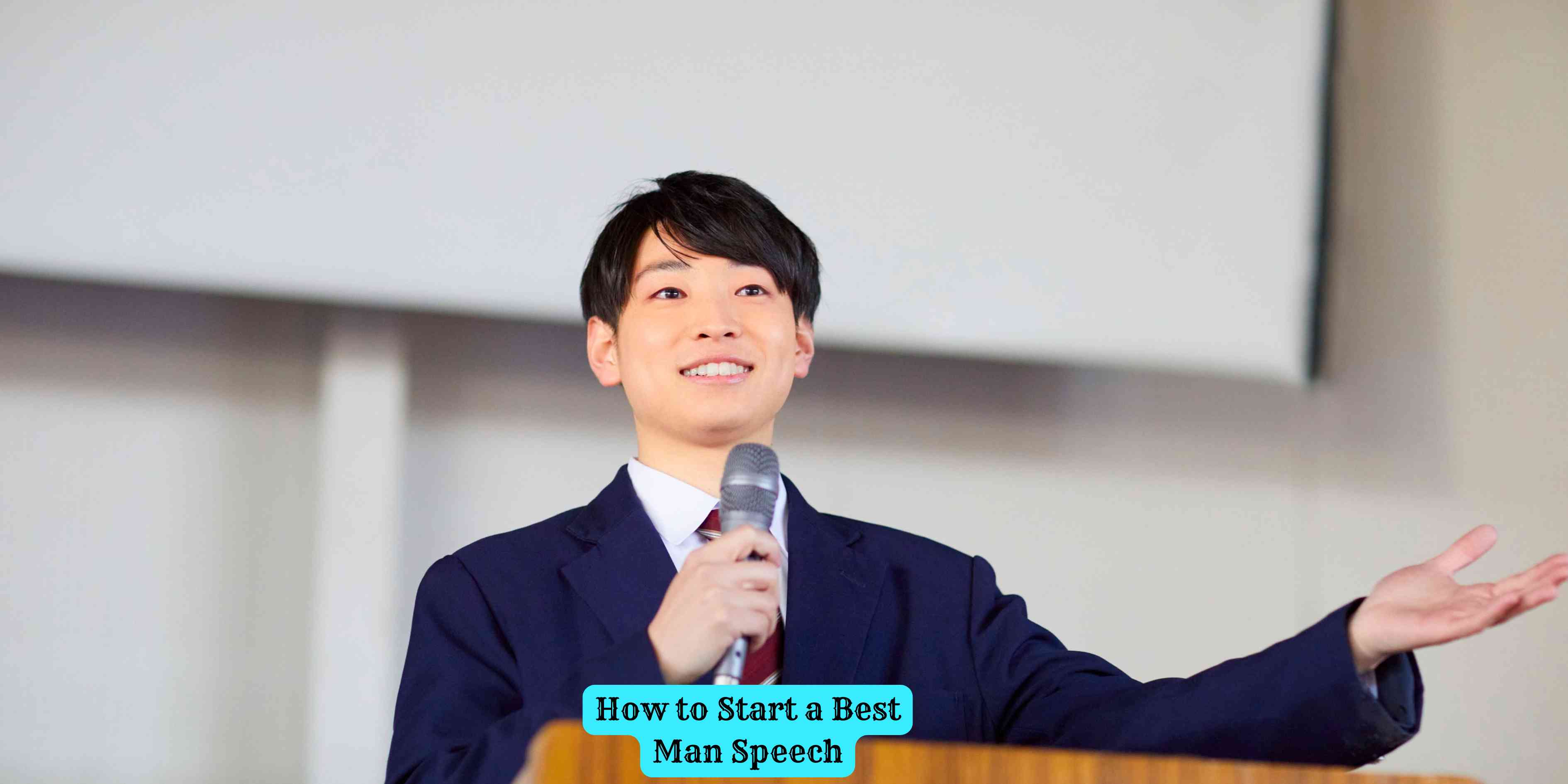
The Short Answer
Start a best man speech by greeting the guests, introducing yourself, thanking the couple or families, and opening with a warm line about the groom or couple. Keep the beginning simple, confident, and friendly.
You do not need to start with a huge joke. A sincere, clear opening works better than a risky joke that makes the room uncomfortable.
The best opening makes guests trust you before you try to make them laugh.
Start with a Greeting
Begin by acknowledging the room. This settles your nerves and helps everyone know the speech has started.
Examples:
- “Good evening everyone.”
- “Hello everyone, and thank you for being here.”
- “Good evening family, friends, and everyone celebrating with us today.”
Keep it calm and natural. You are not performing in a stadium; you are speaking to people who want you to do well.
Introduce Yourself
Not everyone at the wedding knows who you are. After the greeting, explain your relationship to the groom.
Examples:
- “For those who do not know me, I am Daniel, Mark’s brother and best man.”
- “My name is Chris, and I have been friends with James since college.”
- “I am Alex, the groom’s cousin, former roommate, and apparently the person trusted with a microphone.”
This gives the audience context.
Thank the Hosts
A short thank-you is classy. You can thank the couple, parents, families, guests, or anyone who helped organize the day.
Do not turn this into a long list. One or two sentences is enough.
Example: “Before I say anything about the groom, I want to thank both families for bringing everyone together for such a beautiful day.”
This small moment also gives you time to settle your breathing before the more personal part of the speech begins.
Set the Tone
The opening should match the wedding. A formal wedding may need a polished start. A relaxed wedding can use a lighter tone.
If you are unsure, choose warmth over wild humor. You can add jokes later once the room is comfortable.
The beginning should tell guests: this speech will be respectful, personal, and worth listening to.
Use a Simple Opening Line
Here are examples you can adapt:
- “I have known the groom for many years, and I can honestly say today is one of the happiest I have ever seen him.”
- “When I was asked to be best man, I felt honored, nervous, and slightly suspicious that no one else was available.”
- “Today is a celebration of two people who make each other better.”
- “I promise to keep this speech shorter than the groom’s time getting ready.”
Choose a line that sounds like you.
Avoid Embarrassing Too Early
A best man speech can include funny stories, but avoid opening with humiliation, private information, exes, drunken stories, insults, or anything that would upset the couple’s families.
The first minute should build goodwill.
If the room becomes tense immediately, it is hard to recover.
Mention the Bride or Partner Early
Do not make the whole opening only about the groom. This is a wedding speech, not a roast.
Mention the bride, groom, or couple early so the speech feels balanced.
Example: “Seeing how happy Emma and James are today makes it clear that this is exactly where they are meant to be.”
Keep It Short
The opening should not be the whole speech. Aim for 30 to 60 seconds before moving into your main story or message.
A strong opening usually includes:
- Greeting.
- Introduction.
- Thanks.
- Warm first line.
- Transition into the main speech.
Short and confident beats long and nervous.
Practice the First Lines
The beginning is where nerves are strongest. Practice the first four or five sentences until they feel familiar.
You do not have to memorize the entire speech, but knowing the opening helps you start smoothly.
Speak slowly, breathe, smile, and look up from your notes.
Bottom line:
Start a best man speech with a greeting, a brief introduction, a thank-you, and a warm or lightly funny line about the couple.
Make the room comfortable first. Once the audience trusts you, the rest of the speech becomes much easier.