

How Much Weight Will I Lose on a 3 Day Water Fast?
A 3 day water fast may cause a quick scale drop, but much of the loss is usually water, glycogen, and food weight rather than pure body fat.
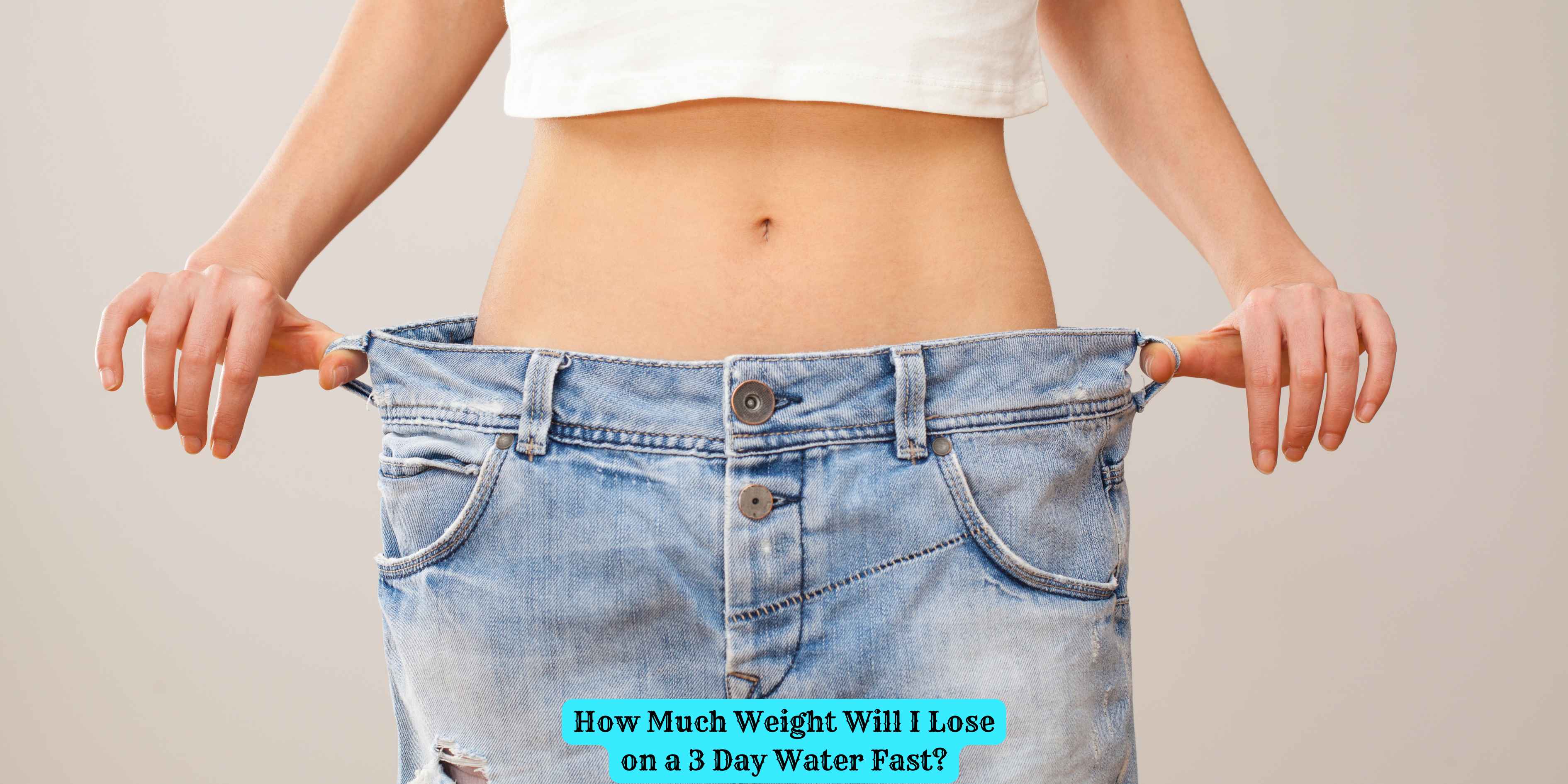
The Short Answer
Many people may see the scale drop by a few pounds during a 3 day water fast, but the amount varies widely. A common range discussed in medically reviewed weight-loss resources is about 2 to 6 pounds, depending on starting weight, glycogen stores, sodium intake, hydration, bowel contents, and activity.
That does not mean you lost 2 to 6 pounds of body fat.
Most fast weight loss during a 3 day water fast is not pure fat loss.
Why the Scale Drops Quickly
When you stop eating, your body uses stored glycogen for energy. Glycogen is stored with water, so as glycogen decreases, water weight drops too.
You also have less food moving through your digestive system.
That combination can make the scale fall quickly even before much fat loss has occurred.
How Much Fat Might You Actually Lose?
Body fat loss depends on your energy deficit. One pound of fat is often estimated at about 3,500 calories, although real metabolism is more complex.
Over 3 days, a person might lose some fat, but usually far less than the total scale drop.
For many people, actual fat loss may be closer to a fraction of the total weight lost.
Why Weight Often Comes Back
After eating again, glycogen and water stores refill. Sodium intake rises. Food volume returns to the digestive tract. This can bring back several pounds quickly.
That rebound is not necessarily failure.
It is normal physiology after a fast.
Possible Side Effects
Mayo Clinic Health System notes that fasting can cause side effects such as hunger, fatigue, insomnia, irritability, decreased concentration, nausea, constipation, and headaches.
Longer or stricter fasts can also cause dizziness, weakness, low blood pressure, dehydration, or electrolyte problems.
Water fasting is not automatically safe just because it sounds simple.
Who Should Avoid a 3 Day Water Fast
Avoid water fasting unless a healthcare professional says it is safe if you are pregnant, breastfeeding, underweight, a teen, older and frail, diabetic, taking blood pressure or glucose medications, recovering from an eating disorder, or living with kidney disease, heart disease, gout, or serious chronic illness.
People with a history of disordered eating should be especially cautious.
Rapid restriction can trigger harmful patterns.
Safer Alternatives
If your goal is fat loss, a moderate calorie deficit, high-protein meals, fiber-rich foods, resistance training, walking, and better sleep are usually more sustainable than a 3 day water fast.
Intermittent fasting may help some people, but Cleveland Clinic and Mayo Clinic sources emphasize that results are mixed and fasting is not right for everyone.
The best plan is one you can repeat safely.
How to Refeed Carefully
After a 3 day fast, do not immediately eat a very large meal. Start with smaller portions and easy-to-digest foods. Include fluids, electrolytes, protein, and gentle carbohydrates.
Stop if you feel severe dizziness, vomiting, confusion, chest pain, fainting, or extreme weakness.
Those symptoms require medical attention.
Practical Takeaway
On a 3 day water fast, you might lose several pounds on the scale, but much of it is water, glycogen, and digestive contents. Some fat loss may occur, but it is usually much smaller than the scale change suggests.
Talk with a healthcare professional before attempting a 72-hour fast, especially if you take medications or have any medical condition.