

How Immobilizing an Injured Limb with a Cast Can Enhance Healing
Casts work because bone and soft tissue healing requires stability. Here's the physiology of how immobilization enhances repair — and what happens without it.
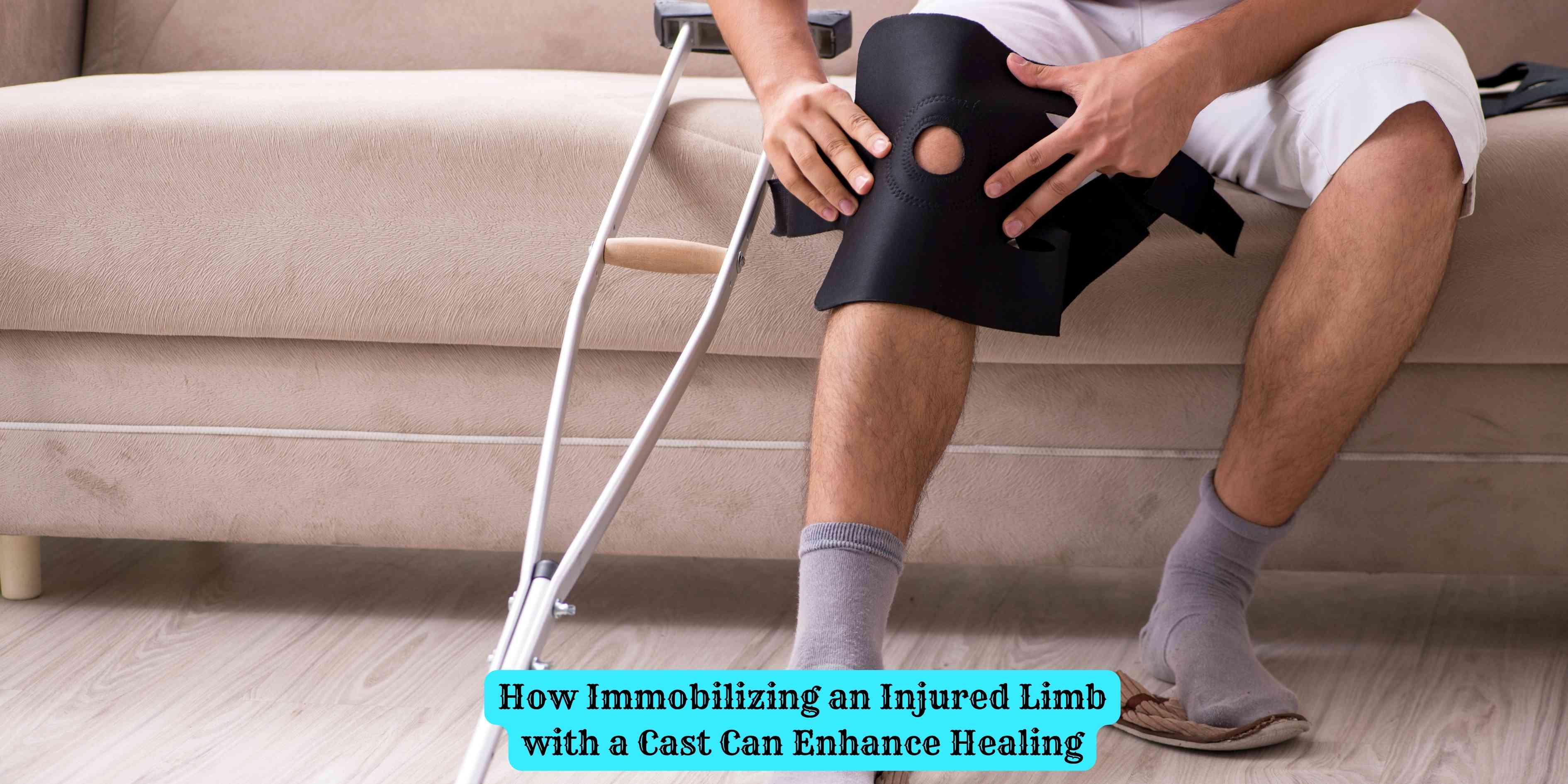
The Short Answer
A cast enhances healing of a fractured bone or injured soft tissue by providing rigid immobilization that holds the injured tissue in the correct anatomical position, prevents movement that would disrupt the healing process, protects the injured area from further trauma, and maintains the mechanical stability that bone healing specifically requires. Without immobilization, the natural movement of the limb disrupts the formation of the callus (new bone tissue) that bridges a fracture, delays healing, and can cause malunion — bones that heal in incorrect alignment — or nonunion, where healing fails entirely.
The Bone Healing Process
Understanding why immobilization helps requires understanding how bones heal. The process occurs in sequential stages:
Inflammation phase (days 1-7): Immediately after a fracture, bleeding occurs at the fracture site, forming a hematoma. Inflammatory cells migrate to the area; specialized cells called osteoclasts clean away damaged bone tissue. This phase is painful and characterized by swelling.
Soft callus formation (days 7-21): Specialized cells called chondroblasts produce cartilage and fibrous tissue that bridges the fracture gap, creating the “soft callus” — a primary union of the broken ends. The soft callus is not rigid and is vulnerable to disruption by movement.
Hard callus formation (weeks 3-12): The soft callus is gradually mineralized by osteoblasts (bone-forming cells) into woven bone — the “hard callus.” As the callus hardens, the fracture becomes progressively more stable. This phase represents the core of bone healing.
Remodeling (months to years): The initially irregular woven bone of the hard callus is gradually remodeled by the combined action of osteoclasts and osteoblasts into lamellar bone — the organized, strong bone that matches the original structure — aligned along lines of mechanical stress.
How Immobilization Facilitates Each Phase
At each stage of healing, movement at the fracture site is disruptive:
During the soft callus phase, movement shears the fragile cartilaginous and fibrous bridge that is forming between the fracture ends. Repeated disruption of this bridge delays the progression to hard callus and prolongs healing significantly.
During hard callus formation, excessive movement prevents adequate mineralization of the callus and can produce a “fibrous union” — the fracture ends are connected by scar tissue rather than bone — which may eventually require surgical intervention.
The cast maintains the fracture fragments in their correct anatomical alignment and prevents the relative motion between fracture ends that would disrupt callus formation. Research has found that small amounts of controlled axial load (weight-bearing along the bone’s axis) can actually enhance healing by stimulating bone formation, which is why some cast designs allow controlled weight-bearing — but rotational and shear movements at the fracture site remain disruptive and must be prevented.
Protection from Further Injury
Beyond the direct effects on the healing process, casts provide protective benefit by shielding the injured area from additional trauma. A fractured bone is mechanically weaker at the fracture site than intact bone; without external support, everyday forces — bumping against furniture, a fall, the weight of an object — could cause displacement (movement of the fracture fragments out of position), which would require reduction (repositioning) and restart or complicate the healing process.
The cast transfers forces that would otherwise reach the fracture site through the rigid external structure, allowing the person to use the limb for daily activities (to varying degrees depending on the fracture and cast type) without risking displacement.
Soft Tissue Healing Benefits
Casts are also used for ligament and tendon injuries, where the same principles of immobilization apply. Ligament tears heal through scar tissue formation — a process that requires the torn ends to remain in proximity without the repeated disruption of movement. Partial tendon tears similarly heal more efficiently when the tendon is protected from excessive loading during the inflammatory and proliferative phases of repair.
Modern Casting Materials and Alternatives
Traditional plaster of Paris casts have been largely supplemented by fiberglass casting tape in modern medical practice. Fiberglass casts are lighter, stronger, water-resistant (waterproof liners allow showering), and conform more precisely to limb contours. Removable splints and orthotics serve similar immobilization functions for some injuries while allowing controlled range of motion. In complex fractures or cases where non-surgical immobilization cannot achieve adequate stability, surgical fixation — plates, screws, intramedullary nails — provides internal immobilization that may allow earlier mobilization of the adjacent joints while the fracture itself is stabilized. The common principle across all these approaches is the same: stable mechanical environment during the critical phases of repair is what allows the body’s healing processes to succeed. The cast is, in the most literal sense, the external scaffold within which the biological process of bone regeneration can proceed without interruption.