

How a Positive Person Handles Worry and Doubt
Positive people still feel worry and doubt; they simply respond to them in healthier ways.
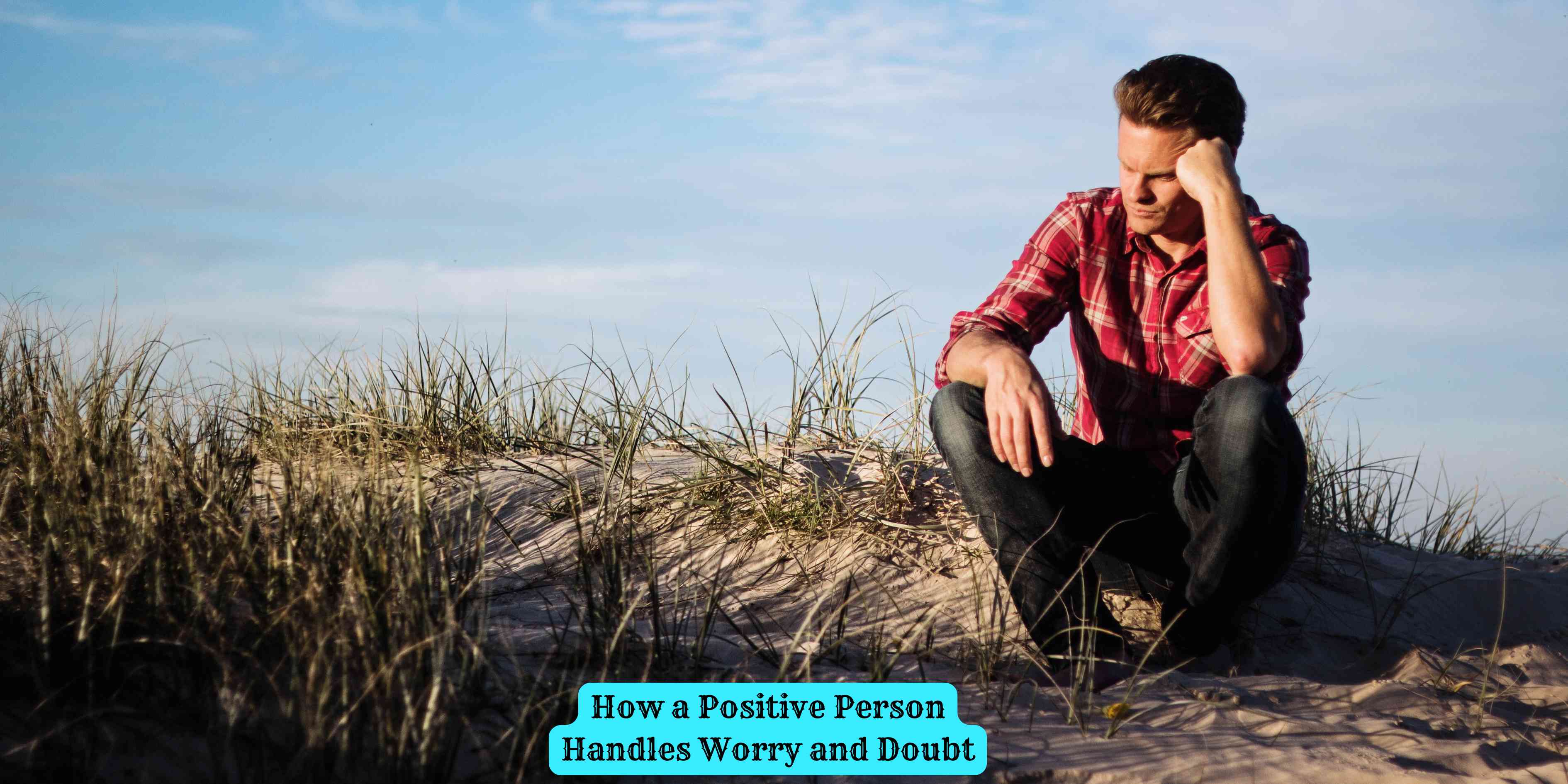
The Short Answer
A positive person handles worry and doubt by acknowledging the feeling, checking the facts, focusing on what can be controlled, taking small helpful actions, and refusing to turn one fear into a whole identity. Positivity is not pretending everything is fine. It is choosing a constructive response when things feel uncertain.
A positive person does not eliminate worry; they keep worry from making every decision.
They Admit the Feeling
Positive people are not emotionless. They still feel nervous before an exam, uncertain before a big decision, or discouraged after a setback.
The difference is that they name the feeling honestly. Instead of saying, “Nothing is wrong,” they might say, “I am worried because this matters to me.” That honesty prevents worry from hiding under denial.
Naming the feeling also makes it easier to respond. A vague cloud of anxiety is harder to manage than a clear concern.
They Separate Facts from Fear
Worry often mixes real facts with imagined outcomes. A positive person tries to separate the two.
For example, the fact may be, “I have a presentation tomorrow.” The fear may be, “Everyone will think I am terrible.” The presentation is real; the imagined rejection is not guaranteed.
This habit helps reduce emotional exaggeration. It does not erase risk, but it keeps the mind from treating every possible problem as certain.
They Focus on Control
Positive people ask, “What part of this can I influence?” That question turns worry into direction.
They may not control another person’s opinion, the economy, the weather, or the final outcome of every effort. But they can often control preparation, attitude, communication, timing, and follow-through.
| Worry | Controllable Response |
|---|---|
| ”What if I fail?” | Study, practice, ask for feedback |
| ”What if they reject me?” | Communicate clearly and respectfully |
| ”What if I am not ready?” | Make a simple preparation plan |
| ”What if things change?” | Build a backup option |
They Take Small Actions
Worry grows when a person stays frozen. Positive people often respond by taking one small action.
That action might be making a list, sending an email, reviewing notes, asking for help, cleaning a workspace, or taking a short walk. The action does not need to solve the whole problem immediately.
Small movement builds confidence because it reminds the person they are not helpless.
They Use Helpful Self-Talk
Positive self-talk is not fake praise. It is fair, steady language that keeps the mind from becoming cruel.
Instead of saying, “I always mess up,” a positive person might say, “This is difficult, but I can handle the next step.” Instead of saying, “I am not good enough,” they might say, “I am still learning.”
This connects with the broader practice of staying positive without ignoring reality.
They Ask for Support
Positive people know that strength does not always mean handling everything alone. They may talk to a trusted friend, mentor, counselor, teacher, coach, or family member.
Support can bring perspective. Another person may help identify options, challenge extreme thoughts, or simply remind the worried person that they are not facing life alone.
Healthy support is different from constant reassurance-seeking. The goal is not to ask someone else to remove every doubt. The goal is to think more clearly.
They Learn from the Outcome
After the situation passes, a positive person reflects. If things went well, they notice what helped. If things went badly, they look for lessons without turning the result into shame.
This builds resilience. Over time, they learn that worry is often temporary and that doubt does not have to stop growth.
The Main Takeaway
A positive person handles worry and doubt with honesty, perspective, action, and self-compassion. They do not deny hard feelings, but they also do not let hard feelings become the boss.
Positivity is not a mood that never changes. It is a skillful way of responding when uncertainty shows up.