

Factors Delaying Wound Healing
Wound healing can be delayed by infection, poor circulation, diabetes, smoking, poor nutrition, repeated pressure, certain medicines, and inadequate wound care.
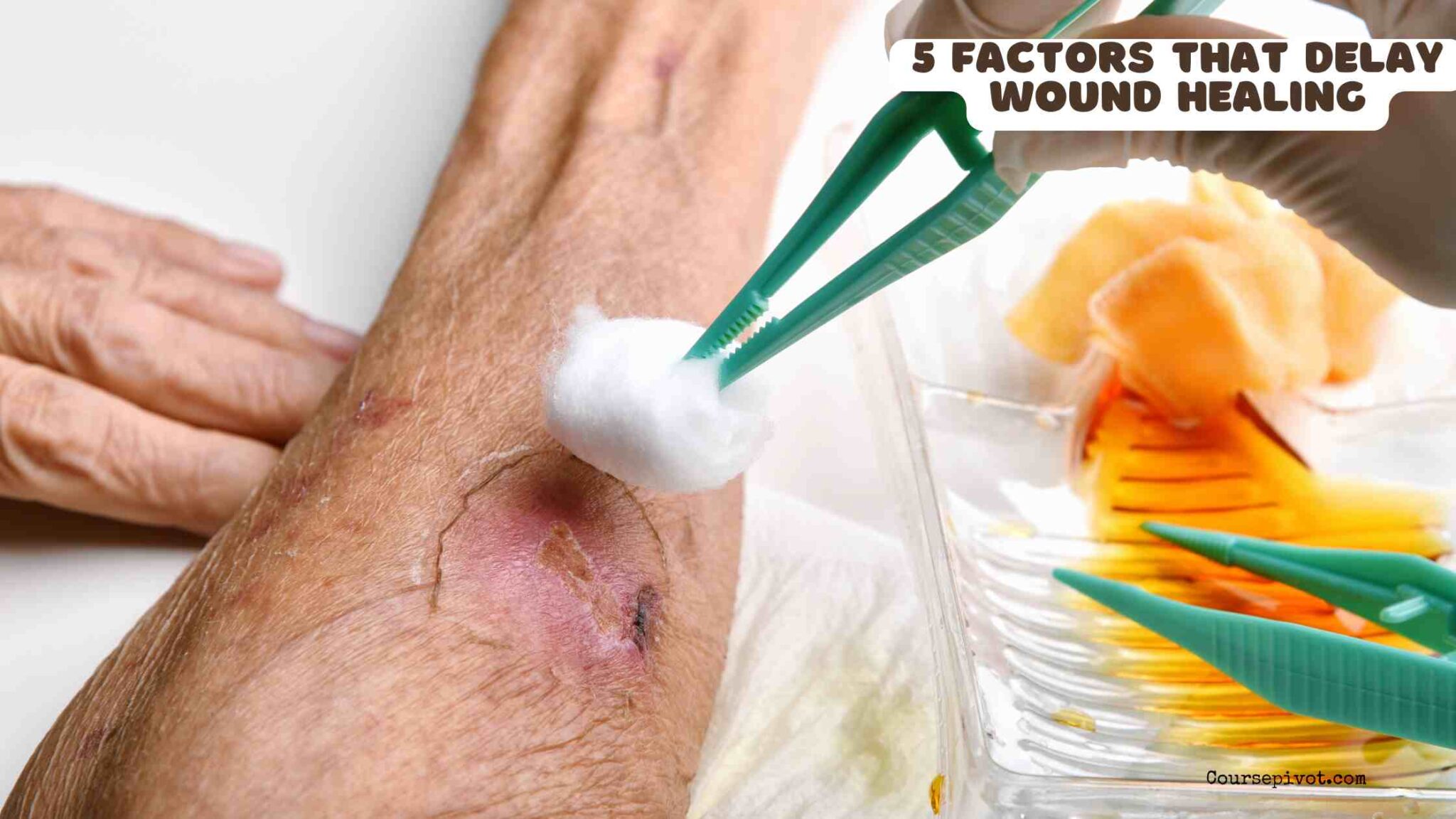
Wound healing is the body’s process of closing damaged skin, fighting germs, rebuilding tissue, and restoring strength to the injured area. Small cuts and scrapes often heal with basic care, but some wounds heal slowly or get worse because something is interfering with the repair process.
Delayed wound healing does not always mean something dangerous is happening, but it should not be ignored. A wound that is spreading, infected, painful, deep, blackened, or not improving may need medical care.
The most common factors delaying wound healing are infection, poor blood flow, diabetes, smoking, poor nutrition, repeated pressure, excess moisture or dryness, and underlying health conditions.
1. Infection
Infection is one of the most important factors delaying wound healing. When bacteria multiply in a wound, the body has to spend energy fighting infection instead of moving smoothly through the normal healing stages.
Possible signs of wound infection include:
- Increasing redness around the wound
- Swelling that is getting worse
- Warmth around the area
- Pus or cloudy drainage
- Bad smell
- Increasing pain
- Fever or chills
- Red streaks moving away from the wound
A little redness and tenderness can be normal early in healing. The concern is when symptoms are getting worse instead of better. Infected wounds can spread into deeper tissue, especially in people with diabetes, poor circulation, weak immune systems, or large wounds.
If a wound shows signs of infection, it is safer to contact a healthcare professional rather than trying to treat it only at home.
2. Poor Blood Flow and Low Oxygen
Wounds need blood flow. Blood brings oxygen, immune cells, nutrients, and repair materials to the injured area. When circulation is poor, the wound may not receive enough oxygen to rebuild tissue effectively.
Poor blood flow can happen because of peripheral artery disease, diabetes-related circulation problems, blood vessel disease, severe swelling, pressure on the wound, or smoking-related vessel narrowing.
Signs that circulation may be a problem include:
- Cold skin near the wound
- Pale, blue, or dark skin color
- Weak pulses in the foot or leg
- Pain in the leg when walking
- Slow healing on the feet, ankles, or lower legs
- Wounds that reopen easily
Wounds on the lower legs and feet are especially vulnerable because circulation problems often show up there first. If a foot or leg wound is not improving, medical evaluation is important.
3. Diabetes and High Blood Sugar
Diabetes can delay wound healing in several ways. High blood sugar can weaken immune response, damage small blood vessels, reduce circulation, and increase the risk of infection. Diabetes can also cause nerve damage, meaning a person may not feel a wound developing or worsening.
This is why small foot injuries can become serious for people with diabetes. A blister, cut, ingrown toenail, or pressure sore may go unnoticed until it becomes infected or deeper than expected.
People with diabetes should take slow-healing wounds seriously, especially on the feet. Helpful habits include daily foot checks, clean socks, well-fitting shoes, blood sugar management, and prompt care for cuts, blisters, or sores.
Do not wait weeks to see if a diabetic foot wound improves on its own. Early care can prevent complications.
4. Smoking and Nicotine Use
Smoking is a major factor that delays wound healing. Nicotine narrows blood vessels, carbon monoxide reduces oxygen delivery, and smoking can interfere with immune function and tissue repair.
This means a smoker’s wound may receive less oxygen and fewer healing resources. Surgical wounds, ulcers, burns, and injuries can all heal more slowly when oxygen delivery is reduced.
Vaping or other nicotine products may also be a concern because nicotine can affect blood vessels. The exact risk varies by product and person, but nicotine exposure is generally not helpful for healing.
Stopping smoking before surgery or during wound recovery can improve the body’s ability to heal. If quitting completely feels difficult, a clinician can discuss safer cessation options.
5. Poor Nutrition and Dehydration
Healing tissue requires building materials. The body needs enough calories, protein, fluid, vitamins, and minerals to repair damaged skin and fight infection.
Poor nutrition can delay healing when a person is not eating enough, has low protein intake, has unintentional weight loss, has a restrictive diet, or has a condition that affects absorption.
Nutrients that matter for wound healing include:
| Nutrient | Why it matters |
|---|---|
| Protein | Supports new tissue and immune function |
| Calories | Provide energy for repair |
| Vitamin C | Helps collagen formation |
| Zinc | Supports immune and tissue repair processes |
| Iron | Helps oxygen transport |
| Fluids | Support circulation and skin health |
Food cannot fix every wound problem, but poor nutrition can make healing slower. If a wound is not healing and appetite is poor, weight is dropping, or protein intake is low, nutrition should be part of the care plan.
6. Repeated Pressure, Friction, or Movement
A wound may not heal if it keeps being disturbed. Repeated pressure, rubbing, scratching, stretching, or reopening interrupts the repair process.
This is common with wounds on feet, heels, hips, elbows, knees, hands, and areas under tight clothing or medical devices. Pressure injuries can also develop when a person stays in one position for too long.
Examples include:
- A foot wound rubbed by shoes
- A bedsore from constant pressure
- A cut near a joint that keeps pulling open
- A wound under a tight bandage
- A blister that keeps refilling because the cause continues
Healing often requires removing or reducing the pressure source. That may mean different footwear, padding, offloading, repositioning, a better dressing, or professional wound care.
7. Too Much Moisture or Too Much Dryness
Wounds need the right moisture balance. Too much moisture can soften surrounding skin and make it break down. Too much dryness can slow cell movement and cause scabbing that cracks or reopens.
Excess moisture may come from heavy drainage, sweating, urine or stool exposure, wet dressings, or using the wrong covering. Dryness may come from leaving a wound uncovered when it needs protection or using harsh products that irritate the skin.
Common wound care mistakes include:
- Reusing dirty dressings
- Leaving wet dressings on too long
- Using alcohol or hydrogen peroxide repeatedly without medical advice
- Picking scabs
- Covering a wound so tightly that circulation is reduced
- Ignoring drainage that is increasing
Basic wound care should keep the wound clean, protected, and appropriately covered. More complex wounds need individualized guidance.
8. Certain Medications and Health Conditions
Some medications and medical conditions can delay wound healing. This does not mean people should stop prescribed medicines on their own. It means a clinician may need to factor them into the wound care plan.
Possible contributors include:
- Steroid medications
- Chemotherapy or radiation effects
- Immune-suppressing drugs
- Poorly controlled diabetes
- Kidney disease
- Autoimmune disorders
- Severe anemia
- Obesity
- Chronic swelling or lymphedema
- Disorders affecting collagen or connective tissue
Age can also play a role. Older adults can heal well, but healing may be slower when age is combined with thinner skin, circulation problems, medication use, or chronic illness.
If a wound is slow to heal and you have a chronic medical condition, it is worth asking whether the underlying condition needs better control.
9. Delayed or Inadequate Wound Care
The way a wound is treated early can affect how well it heals. Wounds that are deep, contaminated, bitten, crushed, or left untreated for too long may have a higher risk of delayed healing or infection.
Some wounds need stitches, cleaning, tetanus prevention, antibiotics, imaging, removal of dead tissue, or specialized dressings. Trying to manage those wounds at home can delay proper treatment.
Seek medical care promptly if:
- Bleeding does not stop with firm pressure
- The wound is deep, gaping, or exposes fat, muscle, tendon, or bone
- The wound came from an animal or human bite
- Dirt, glass, metal, or another object may be inside
- The wound is on the face, hand, joint, genital area, or foot
- You have diabetes or poor circulation
- The wound is not improving after several days
Coursepivot’s guide on reasons to go to the emergency room explains when wounds and bleeding can become urgent.
10. When Slow Healing Needs Medical Attention
Some wounds simply need time, but a wound should show gradual improvement. The edges should begin to close, drainage should reduce, pain should improve, and the surrounding skin should look calmer.
Medical attention is important if a wound is getting larger, deeper, more painful, infected, black, numb, foul-smelling, or not improving. This is especially true for people with diabetes, poor circulation, immune suppression, kidney disease, or wounds on the feet.
A wound that is not healing is often a sign that something else needs attention: infection, circulation, pressure, blood sugar, nutrition, medication effects, or the wound care plan itself.
Do not try to cut away dead tissue, drain an infected wound, or use strong chemicals at home. A healthcare professional can assess the wound, check for infection or circulation problems, and recommend the right dressing, treatment, or referral to a wound care clinic.
The bottom line is simple: wound healing depends on the whole person, not just the cut itself. Supporting healing means protecting the wound, controlling infection risk, improving blood flow where possible, eating enough protein and calories, avoiding smoking, managing chronic conditions, and getting medical help when the wound is not following a normal recovery pattern.