

4 Ways to Keep Your Nervous System Healthy
Your nervous system works every second, and daily habits can help protect how well it functions.
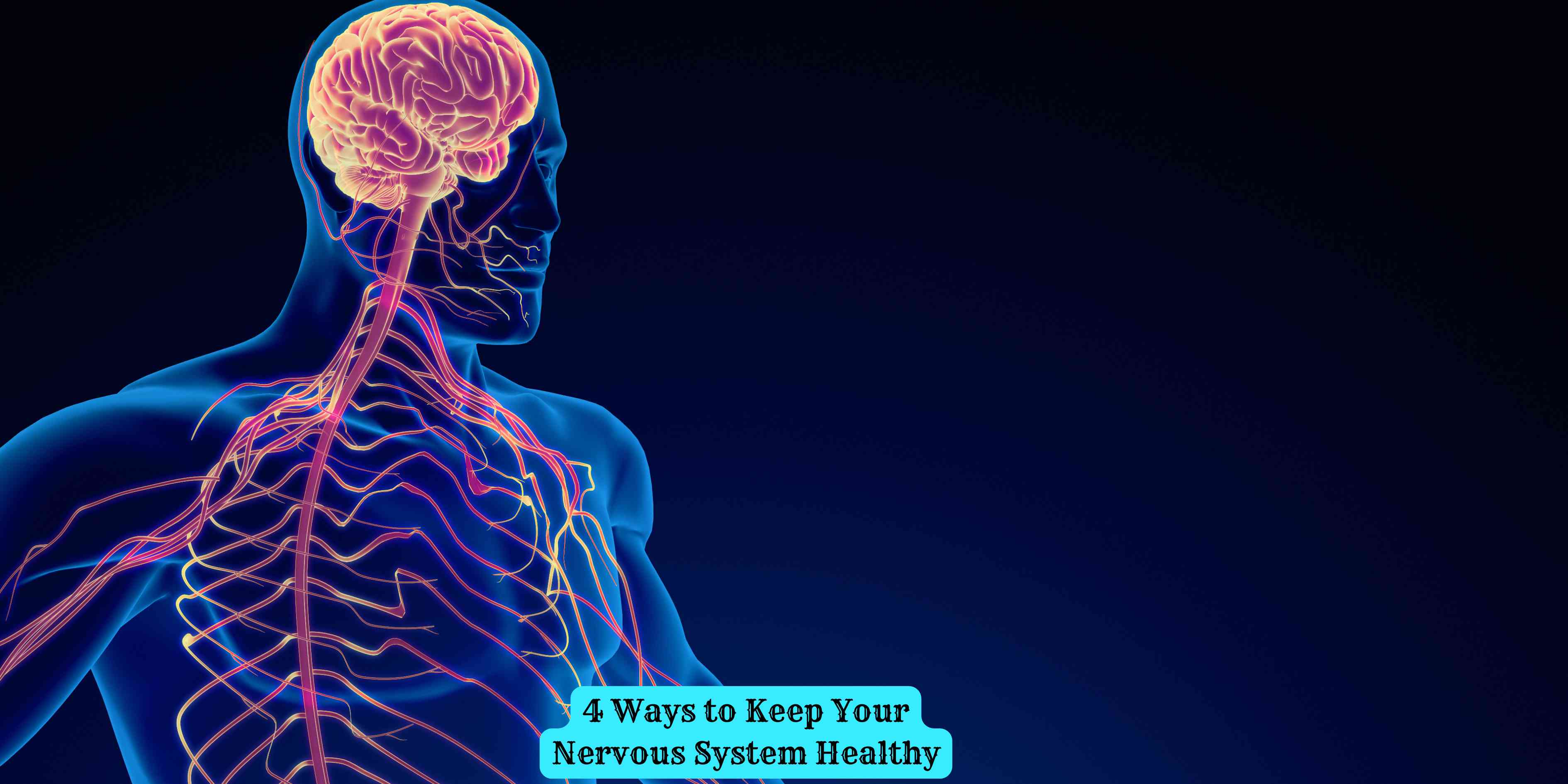
The four best ways to keep your nervous system healthy are to sleep well, stay physically active, eat a nutrient-rich diet, and manage stress before it becomes constant. Your nervous system includes the brain, spinal cord, and nerves throughout the body, so it affects thinking, movement, emotions, breathing, digestion, balance, and reaction time.
Keeping it healthy does not require a perfect lifestyle. It requires consistent habits that protect nerve cells, support blood flow, reduce inflammation, and give the brain enough recovery time. The nervous system performs best when the body is rested, nourished, active, and not trapped in long-term stress.
1. Get Enough Quality Sleep
Sleep is one of the most important ways to protect the brain and nervous system. During sleep, the brain processes information, supports memory, regulates mood, and restores energy for the next day. Poor sleep can affect attention, reaction time, decision-making, and emotional control.
Healthy sleep habits include:
- Going to bed and waking up at consistent times
- Keeping the room dark, quiet, and cool
- Avoiding heavy meals, caffeine, and bright screens close to bedtime
- Creating a calming routine before sleep
- Getting help if snoring, insomnia, or daytime sleepiness is persistent
Sleep is not wasted time. It is repair time for the brain and body. Students, workers, parents, and older adults all need sleep to think clearly and respond well to daily demands.
2. Stay Physically Active
Exercise supports the nervous system by improving blood flow, helping regulate blood sugar, supporting mood, and strengthening the connection between the brain and muscles. Physical activity also helps coordination, balance, and posture, which all rely on communication between nerves and muscles.
You do not have to train like an athlete. Walking, swimming, cycling, dancing, stretching, or light strength training can all help. The key is regular movement.
Exercise can also support the release of brain chemicals that help with focus and mood. This is one reason people often feel clearer, calmer, or more energized after moving their bodies.
3. Eat Foods That Support Nerve Function
The nervous system needs steady fuel and specific nutrients. A healthy diet should include fruits, vegetables, whole grains, lean proteins, healthy fats, and enough water. Nutrients such as B vitamins, omega-3 fats, magnesium, potassium, and antioxidants all play roles in brain and nerve function.
Good choices include:
- Fish, eggs, beans, nuts, and seeds
- Leafy greens and colorful vegetables
- Whole grains such as oats, brown rice, and whole wheat bread
- Fruits such as berries, oranges, and bananas
- Healthy fats from olive oil, avocado, nuts, and fatty fish
Too much alcohol, highly processed food, and frequent sugary drinks can work against nervous system health. They may affect sleep, blood sugar, inflammation, and long-term brain health.
4. Manage Stress in Healthy Ways
Stress is not always bad. Short-term stress can help you respond to pressure or danger. The problem is long-term stress that never shuts off. Chronic stress can affect mood, sleep, memory, digestion, headaches, muscle tension, and concentration.
Healthy stress management can include deep breathing, prayer, meditation, journaling, counseling, time outdoors, exercise, and talking with supportive people. The goal is not to remove every hard thing from life. The goal is to help the body return to a calmer state after pressure.
If stress is causing panic, hopelessness, substance misuse, or thoughts of self-harm, it is important to seek professional support quickly.
Habits That Can Harm the Nervous System
Some habits place unnecessary strain on the nervous system. These include smoking, heavy alcohol use, drug misuse, poor sleep, unmanaged diabetes, constant stress, and ignoring symptoms such as numbness, weakness, severe headaches, or loss of coordination.
Injuries can also affect the nervous system. Wearing seat belts, using helmets, preventing falls, and following workplace safety rules can help protect the brain, spine, and nerves.
When to Seek Medical Advice
You should talk with a healthcare professional if you experience unexplained numbness, tingling, weakness, seizures, memory changes, fainting, severe headaches, balance problems, or sudden changes in vision or speech. These symptoms do not always mean something serious, but they should not be ignored.
Sudden facial drooping, arm weakness, or speech trouble can be signs of a stroke and should be treated as an emergency.
A Simple Daily Plan
Here is a practical plan anyone can start with:
| Habit | Simple action |
|---|---|
| Sleep | Keep a regular bedtime |
| Movement | Walk or stretch daily |
| Nutrition | Add one fruit or vegetable to each meal |
| Stress | Take five slow breaths when overwhelmed |
Small choices repeat into big results. A healthy nervous system is supported by ordinary habits done consistently.