

Explain Why There Is a Growing Concern Over the Physical Fitness of Children and Adolescents
Children today are significantly less fit than their counterparts a generation ago — and the long-term health consequences are severe. Here's why the concern is well-founded and what's driving it.
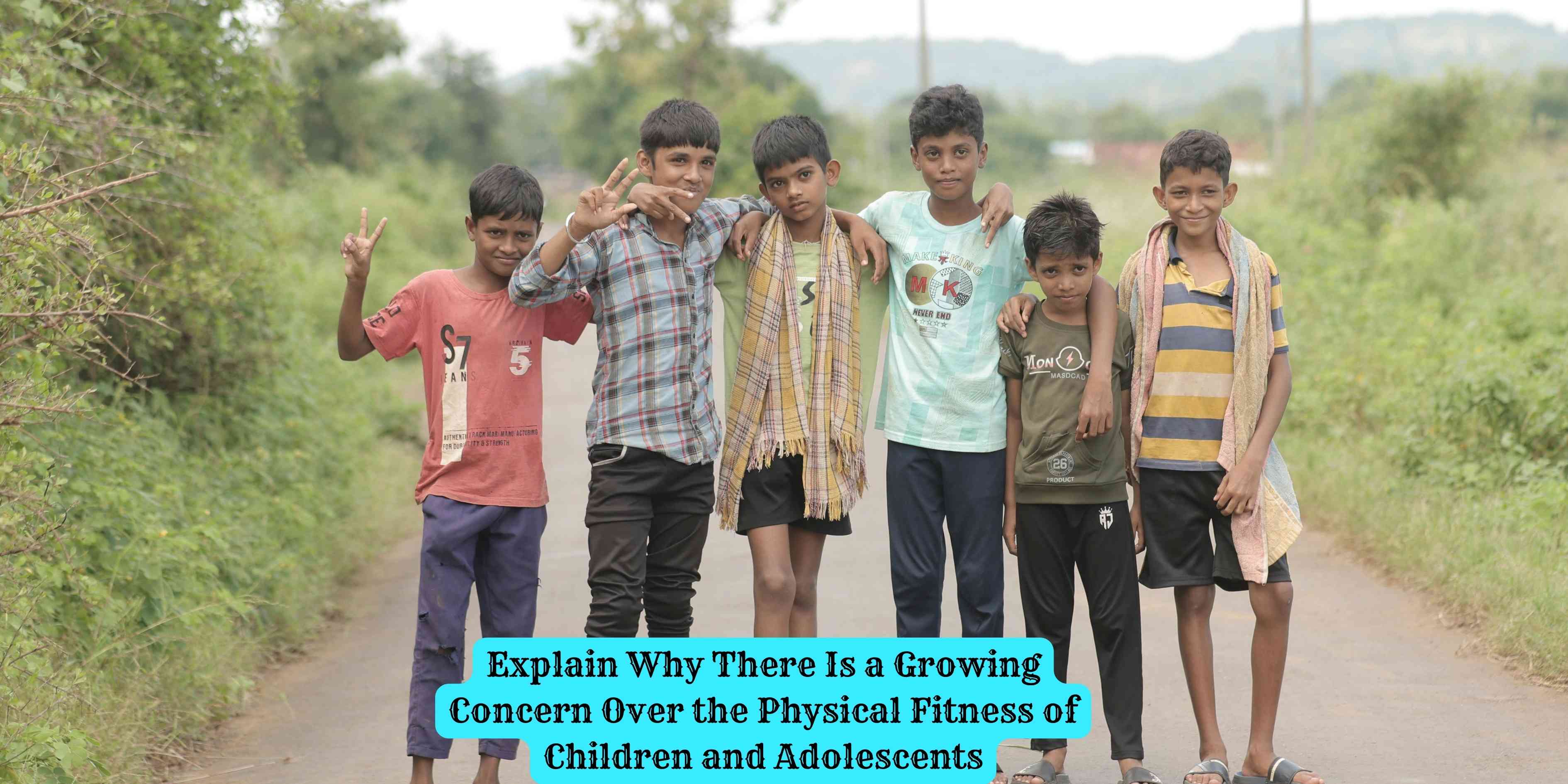
Research consistently shows that children and adolescents today are less physically fit than their peers of one or two generations ago, as measured by cardiovascular endurance, muscular strength, flexibility, and body composition. Rates of childhood obesity have tripled since the 1970s; physical activity levels have declined significantly; a substantial proportion of children fail to meet minimum activity guidelines; and sedentary behavior — particularly screen time — has replaced physical play as the dominant leisure activity. The concern is growing because these fitness deficits carry documented long-term consequences for cardiovascular health, mental health, academic performance, and adult health outcomes. Children who are unfit are significantly more likely to become unfit adults with elevated risk for chronic disease.
Documented Decline in Physical Fitness
Longitudinal studies comparing children’s fitness levels across decades show consistent decline. A 2013 meta-analysis published in the American Journal of Preventive Medicine found that cardiovascular fitness in children had declined by approximately 15% over 30 years — children today run about 90 seconds per mile slower than children in the 1980s for distances that test aerobic capacity. Similar declines have been documented in grip strength and muscular endurance.
This is not simply a measurement artifact — it reflects genuine physiological change in the fitness of the youth population, driven by behavioral and environmental factors that have fundamentally altered how children spend their time.
Screen Time and Sedentary Behavior
Average daily screen time for children and adolescents has increased dramatically with the proliferation of smartphones, tablets, streaming media, and video games. Studies show children 8-12 years old average 4-6 hours of screen time daily; teenagers average up to 9 hours. Screen time directly displaces physical activity and outdoor play that previous generations engaged in spontaneously.
In the 1970s and 1980s, children commonly spent afternoons in unstructured outdoor play — walking or biking to friends’ houses, playing in yards and streets, organizing their own physical games. This informal physical activity, while not structured exercise, represented significant daily physical movement. The replacement of this activity with sedentary screen time represents a fundamental change in children’s daily energy expenditure.
Reduced Physical Education and Unstructured Play
Budget constraints and increased academic demands have led many school districts to reduce physical education requirements, recess time, and extracurricular sports participation. Many states do not meet recommended PE guidelines. Fewer children walk or bike to school due to concerns about traffic safety and longer distances from suburban planning. Organized sports participation remains high but is increasingly stratified by socioeconomic status, excluding lower-income children who cannot afford fees, equipment, and transportation.
Childhood Obesity Rates
Childhood obesity — a significant component of health-related fitness in the body composition dimension — has increased dramatically. The CDC reports that approximately 19% of American children and adolescents (ages 2-19) currently have obesity, up from roughly 5% in the 1970s. Excess body weight reduces exercise capacity, increases cardiovascular risk factors in childhood (elevated blood pressure, cholesterol abnormalities, early-onset type 2 diabetes), and strongly predicts adult obesity and associated chronic disease burden.
Long-Term Health Consequences
The concern about youth fitness is fundamentally about long-term population health, not just children’s current wellbeing. Physical fitness levels established in childhood and adolescence are strong predictors of adult fitness levels and health outcomes. Cardiovascular disease risk factors — elevated blood pressure, high cholesterol, insulin resistance, obesity — increasingly appear in children and adolescents who would previously have been considered too young to have these conditions. Tracking studies following individuals from childhood through adulthood find that unfit children are significantly more likely to become unfit adults with elevated mortality risk. Children who establish active habits and adequate fitness during youth are more likely to maintain them through adulthood; children who don’t are unlikely to become active adults without deliberate intervention. The window of youth is therefore not just about current health — it is the most important window for establishing the behavioral patterns and physiological baselines that will shape health outcomes across an entire lifespan. This is why investment in school physical education, safe play environments, and accessible youth sports represents one of the highest-return public health investments available.