

The Vaccination Process and How the Body Responds to Vaccinations
Vaccines work by training the immune system to recognize a threat before the body ever faces the real disease.
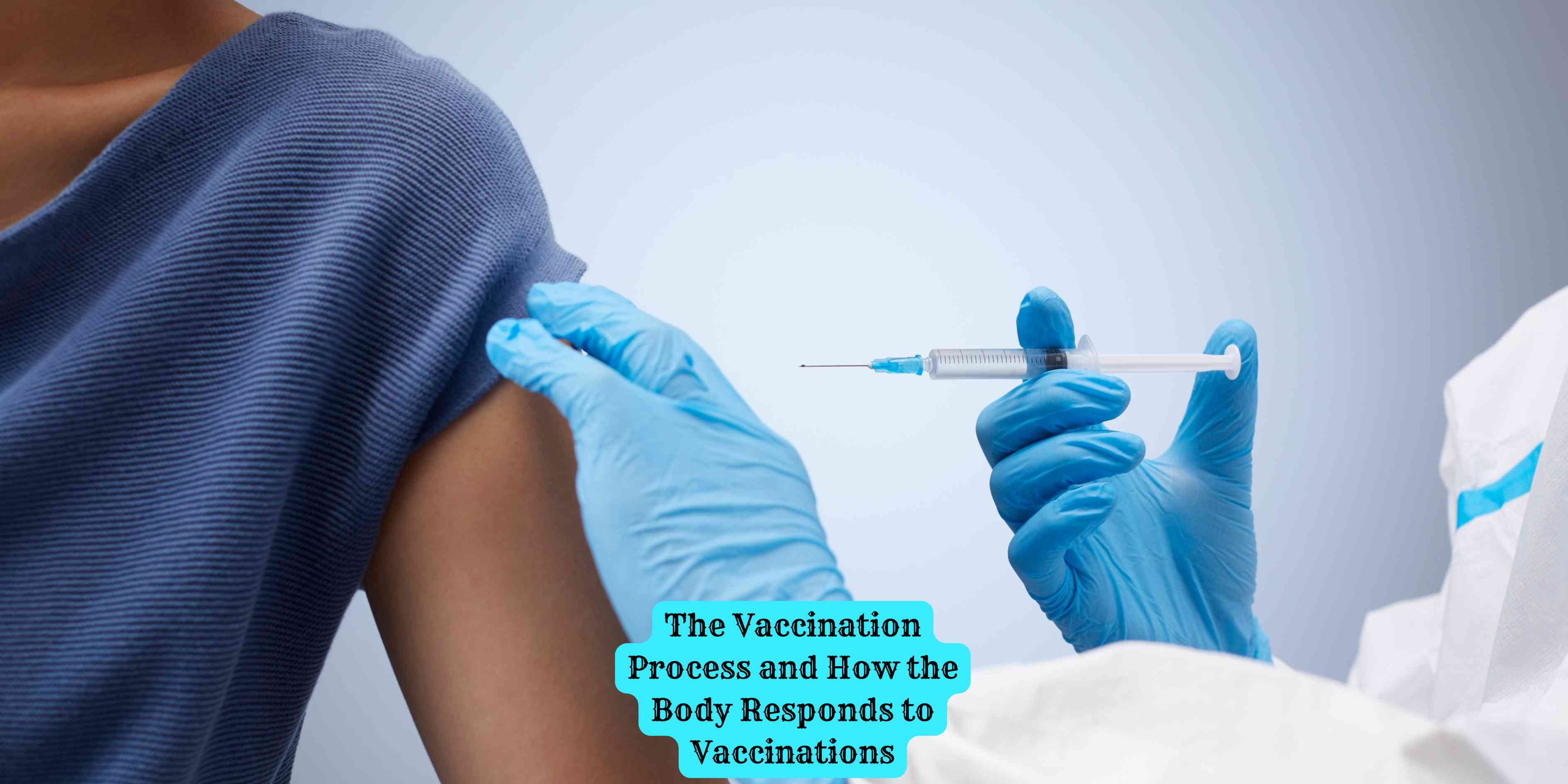
The vaccination process introduces a small, harmless piece of a virus or bacteria, or instructions for making one, into the body so the immune system can learn to recognize it. The body responds by producing antibodies and forming immune memory, which allows it to respond faster and more effectively if it ever encounters the real pathogen.
Vaccines do not weaken the immune system; they train it in advance.
What Happens When a Vaccine Is Given
When a vaccine enters the body, it presents the immune system with something that looks like a threat, without causing the actual disease. This can come from a weakened virus, an inactivated pathogen, a piece of protein, or genetic instructions that tell cells how to build a harmless piece of the pathogen, depending on the type of vaccine.
The immune system does not know the difference between this controlled exposure and a real infection in terms of how it responds. It treats the vaccine component as something worth remembering.
The Immune System’s Initial Response
Once the immune system detects the vaccine material, it activates several types of cells.
- Dendritic cells capture and present pieces of the vaccine material to other immune cells.
- B cells begin producing antibodies, which are proteins that recognize and bind to the pathogen.
- T cells help coordinate the response and can directly destroy infected cells if needed.
This first response can cause mild symptoms, such as soreness, fatigue, or a low fever. These reactions are not the disease itself. They are signs that the immune system is actively building a response.
Why Some People Feel Side Effects
Quick question: does feeling tired or sore after a vaccine mean something went wrong?
No. Mild soreness, tiredness, or a short fever are common signs that the immune system is responding as expected. Side effects vary from person to person and usually resolve within a day or two.
These short-term symptoms come from inflammation at the injection site and the immune system’s normal activation process, not from the disease the vaccine protects against.
Building Immune Memory
The most important part of the vaccination process happens after the initial response. Some of the B cells and T cells that respond to the vaccine become long-lived memory cells.
| Immune Component | Role During Vaccination |
|---|---|
| Antibodies | Bind to and neutralize the pathogen |
| B cells | Produce antibodies; some become memory cells |
| T cells | Coordinate response; destroy infected cells |
| Memory cells | Remain in the body for future protection |
These memory cells can persist for years, sometimes decades, depending on the vaccine. They allow the immune system to respond much faster if the real pathogen ever appears, often stopping an infection before it causes noticeable illness.
Why Some Vaccines Need Multiple Doses
Some vaccines require more than one dose to build strong, lasting protection. The first dose introduces the immune system to the pathogen. Later doses, sometimes called booster doses, reinforce that response and help the immune system produce stronger and longer-lasting memory cells.
Without enough exposure, the initial immune response may fade before strong memory cells fully develop, which is why timing between doses matters for full protection.
Vaccine schedules are designed around this pattern. Spacing doses too closely can interfere with the immune system’s ability to build strong memory, while spacing them too far apart can leave a gap in protection. That is why following the recommended schedule, rather than an arbitrary timeline, matters for how well a vaccine ultimately works.
Vaccination as Preventive Medicine
Vaccination is one of the clearest examples of preventive medicine, since it reduces the risk of illness before exposure ever happens rather than treating disease after it starts. This fits the same broader principle behind routine physical exams as preventive medicine: addressing health risks early, before they become serious problems.
The Main Takeaway
The vaccination process works by giving the immune system a safe preview of a pathogen, allowing it to build antibodies and immune memory without causing the actual disease. That memory is what gives vaccinated individuals a faster, stronger defense if they are ever exposed to the real infection later.