

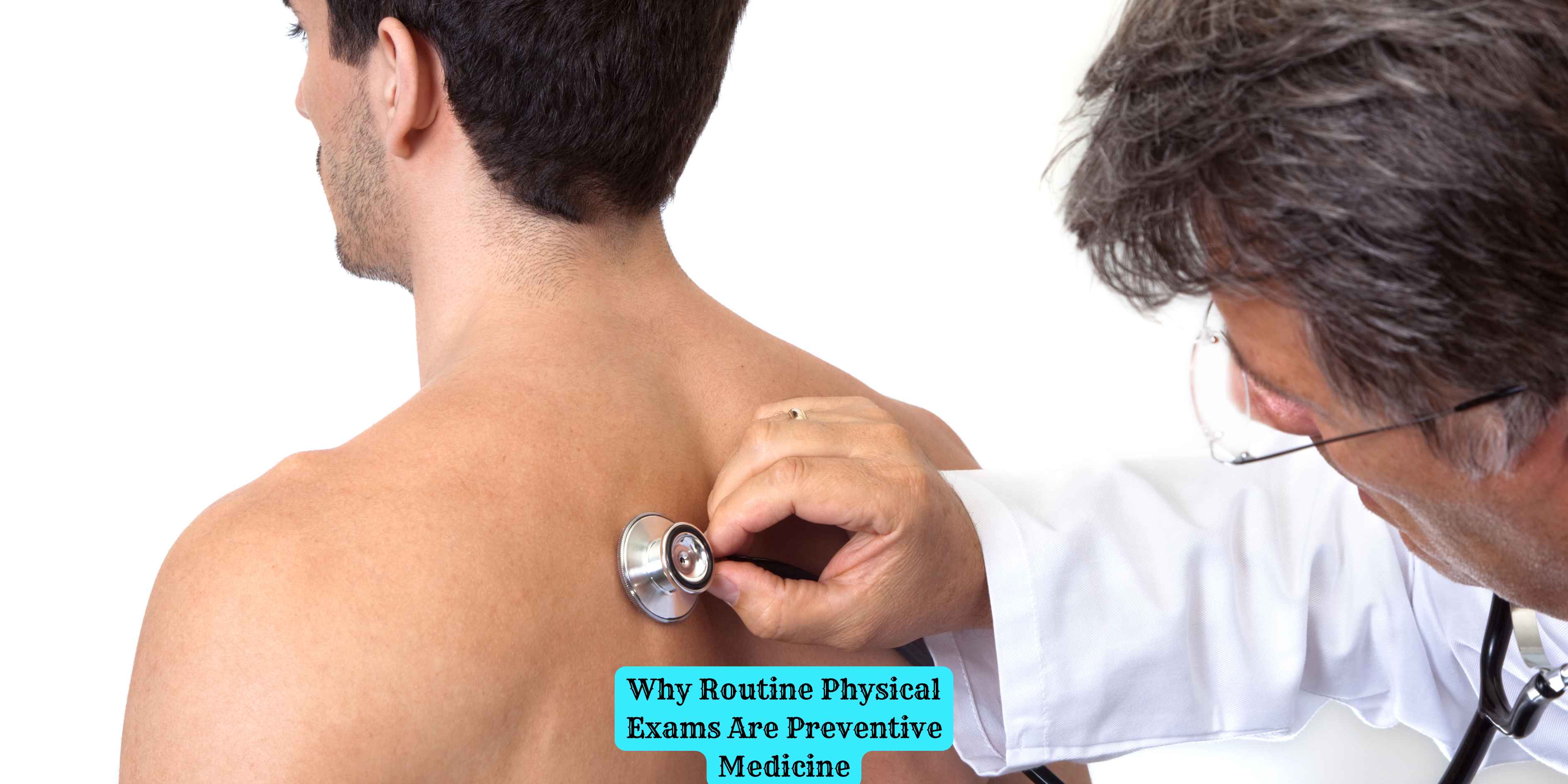
Why Routine Physical Exams Are Preventive Medicine
Routine physical exams are preventive because they look for risks and early problems before illness becomes harder to treat.
The Short Answer
Routine physical exams can be considered preventive medicine because they help identify health risks, update vaccinations, recommend screenings, track important measurements, and discuss lifestyle choices before serious disease develops. The goal is not only to treat illness after symptoms appear, but to reduce risk and catch problems early.
The CDC describes preventive care as including regular checkups, screening tests, vaccines, dental care, and counseling that helps people make informed health decisions. A routine exam is preventive when it helps stop disease, detect it early, or lower the chance that it becomes worse.
What Preventive Medicine Means
Preventive medicine focuses on protecting health before major illness occurs. It asks, “What can we do now to reduce risk later?”
This can include vaccines, cancer screenings, blood pressure checks, cholesterol testing, diabetes screening, counseling about smoking or alcohol, nutrition guidance, exercise discussions, and mental health check-ins.
Preventive care does not guarantee perfect health. It improves the chance of finding risks early and making better decisions.
Routine Exams Track Baseline Health
A routine physical exam gives your healthcare provider a picture of your usual health. They may check blood pressure, heart rate, weight, medications, family history, symptoms, mental health, sleep, exercise, and other concerns.
When providers know your baseline, they can notice changes more easily. For example, rising blood pressure over several visits may show a developing pattern before it becomes an emergency.
Baseline information helps turn separate visits into a continuous health story.
Screenings Can Find Problems Early
Screening tests look for disease or risk factors before a person has obvious symptoms. This is one of the clearest reasons routine exams are preventive.
Depending on age, sex, family history, and risk factors, a provider may recommend screening for:
- High blood pressure
- High cholesterol
- Diabetes
- Certain cancers
- Depression
- Vision or hearing problems
- Osteoporosis
- Sexually transmitted infections
The right tests vary from person to person, so routine exams help match screening to actual risk.
Vaccines Prevent Disease
Routine visits are also a chance to review vaccines. Vaccines help prevent diseases or reduce their severity. Children, adults, older adults, pregnant people, and people with certain health conditions may need different vaccines.
A person may not remember every vaccine schedule. A routine exam allows the provider to check what is due and recommend updates.
This is preventive medicine because vaccination reduces the likelihood of getting or spreading certain infections.
Risk Assessment Helps Personalize Care
Preventive care is not the same for everyone. A young adult, pregnant patient, older adult, athlete, smoker, person with diabetes risk, or person with a family history of cancer may need different advice.
Routine exams allow providers to ask about:
- Family medical history
- Lifestyle habits
- Work exposures
- Diet and activity
- Medication use
- Sleep
- Stress
- Substance use
- Safety concerns
That information helps guide personalized recommendations.
Counseling Can Prevent Future Harm
Sometimes the most important part of a routine exam is the conversation. A provider may discuss nutrition, exercise, stress, sexual health, sleep, smoking cessation, alcohol use, injury prevention, or mental health support.
These conversations can prevent harm by helping people change risks before they become disease.
For example, advice about blood pressure, weight, sodium intake, movement, and smoking may reduce future cardiovascular risk.
Routine Exams Are Not the Same for Everyone
Not every routine exam includes the same tests. Some people need yearly visits. Others may need different timing depending on age, health status, medications, pregnancy, chronic conditions, or provider advice.
It is also possible to over-test. Preventive medicine should be evidence-based, meaning tests should be recommended when benefits are likely to outweigh harms.
That is why routine exams work best as conversations between patient and provider, not as a fixed checklist for everyone.
A Simple Example
| Preventive step | Why it matters |
|---|---|
| Blood pressure check | Finds hypertension risk early |
| Vaccine review | Prevents certain infections |
| Cholesterol screening | Estimates heart disease risk |
| Diabetes screening | Finds blood sugar problems earlier |
| Lifestyle counseling | Supports healthier long-term habits |
| Cancer screening referral | Detects some cancers earlier |
These actions show why routine physical exams are more than paperwork. They can guide early action.
When to Seek Care Outside a Routine Exam
Routine exams are helpful, but they are not a substitute for urgent care when symptoms appear. Chest pain, severe shortness of breath, stroke symptoms, heavy bleeding, sudden severe pain, fainting, or other emergency symptoms require immediate medical attention.
For non-emergency concerns, schedule a visit rather than waiting months for a routine exam.
Routine physical exams count as preventive medicine because they help people stay ahead of health problems through screening, vaccines, risk assessment, counseling, and early detection.