

Why Drug Abusers Are a High Suicide Risk
Drug abuse can raise suicide risk by worsening mental health, increasing impulsivity, deepening isolation, and making crises more dangerous.
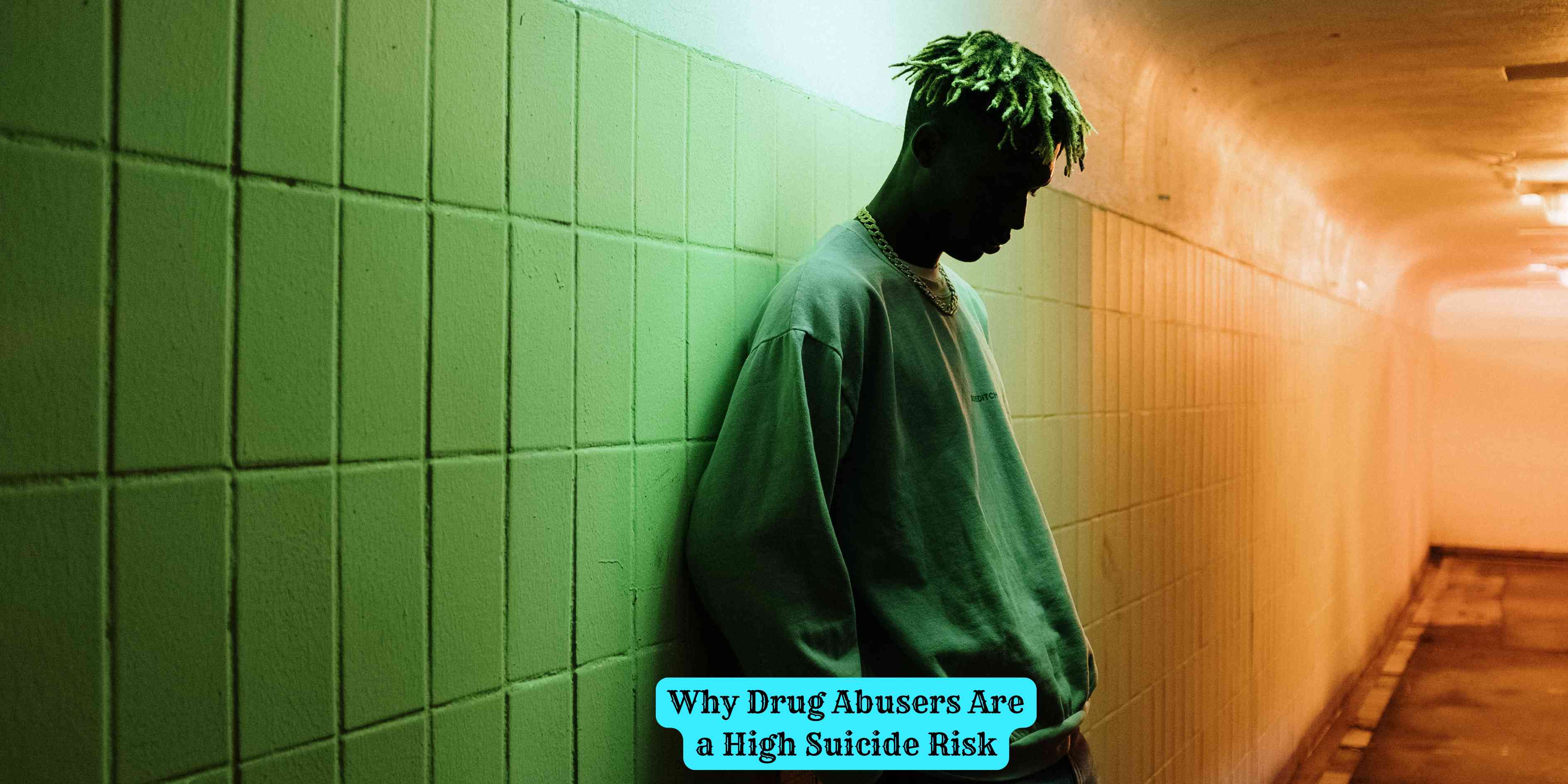
The Short Answer
People who abuse drugs are a high suicide risk because substance use can worsen depression, increase impulsive behavior, damage relationships, create shame and hopelessness, disrupt judgment, and make access to lethal means more likely. Withdrawal, overdose risk, trauma, and co-occurring mental health conditions can make the danger even greater.
If someone is in immediate danger of suicide or overdose, call emergency services now; in the United States, call or text 988 for the Suicide & Crisis Lifeline.
Drugs Can Worsen Mental Health
Substance use and mental health problems often overlap. Some people use drugs to cope with depression, anxiety, trauma, grief, or emotional pain. At first, a substance may seem to numb distress, but over time it can worsen mood and make the original problem harder to manage.
Drug use can disrupt sleep, appetite, motivation, memory, judgment, and emotional regulation. These changes can deepen hopelessness and make a person feel trapped.
When depression and substance use occur together, suicide risk can rise sharply.
Impulsivity Can Increase
Many drugs affect judgment and self-control. A person who might resist suicidal thoughts while sober may act more impulsively while intoxicated.
Substances can narrow attention so the person focuses only on immediate pain. They may forget reasons to live, underestimate consequences, or act before help can arrive.
This is one reason intoxication is so dangerous during an emotional crisis. The person may not truly want to die, but impaired judgment can turn a temporary crisis into a fatal outcome.
Withdrawal Can Feel Overwhelming
Withdrawal can bring intense physical and emotional distress. Depending on the substance, symptoms may include anxiety, insomnia, agitation, depression, nausea, pain, tremors, cravings, or panic.
During withdrawal, the brain and body are under stress. A person may feel that the discomfort will never end. If they also feel ashamed, alone, or afraid of consequences, suicidal thoughts can become more intense.
Medical support can be very important for withdrawal, especially with alcohol, benzodiazepines, opioids, or other substances that may require supervised care.
Addiction Can Create Isolation
Drug abuse can damage relationships with family, friends, coworkers, and community. A person may lie, withdraw, miss obligations, lose trust, or feel judged by others.
Over time, isolation can grow. The person may believe they have disappointed everyone or that no one will understand. That belief can be dangerous because connection is one of the strongest protective factors against suicide.
Supportive treatment, peer recovery groups, family education, and nonjudgmental conversations can help reduce isolation.
Shame and Consequences Can Build
Substance abuse can lead to job loss, school problems, legal trouble, debt, health issues, housing instability, or family conflict. These consequences can make a person feel hopeless.
Shame is especially harmful when it convinces someone that they are the problem rather than a person with a treatable condition. Addiction is serious, but recovery is possible.
People at risk need practical help, medical care, emotional support, and reasons to believe their life can still change.
Overdose and Suicide Risk Can Overlap
Drug abuse increases overdose risk, and sometimes it can be difficult to know whether an overdose was accidental or intentional. Either way, the danger is real.
A person who uses drugs may have access to substances that can become lethal in high doses or dangerous combinations. Mixing opioids, alcohol, sedatives, or other depressants can be especially risky.
Reducing access to lethal means, using overdose prevention tools, and getting treatment can save lives.
Warning Signs to Take Seriously
Warning signs may include talking about wanting to die, feeling trapped, giving away belongings, reckless drug use, sudden withdrawal from loved ones, severe mood swings, hopeless statements, or searching for ways to die.
Do not ignore these signs. Stay with the person if it is safe, remove immediate dangers when possible, contact crisis support, and involve emergency help if there is imminent risk.
It is better to overreact with care than to stay silent and regret it.
Key Takeaway
People who abuse drugs can face higher suicide risk because substances affect mood, judgment, impulse control, relationships, physical health, and access to lethal means. The risk is even higher when substance use combines with depression, trauma, withdrawal, isolation, or hopelessness.
The most important message is that both addiction and suicidal thoughts are treatable. Immediate support, crisis help, medical care, and recovery services can protect life.