

How Drug Use, Production, and Sales Pose a Threat to Public Safety
Drug activity can endanger individuals, families, first responders, neighborhoods, workplaces, and public systems.
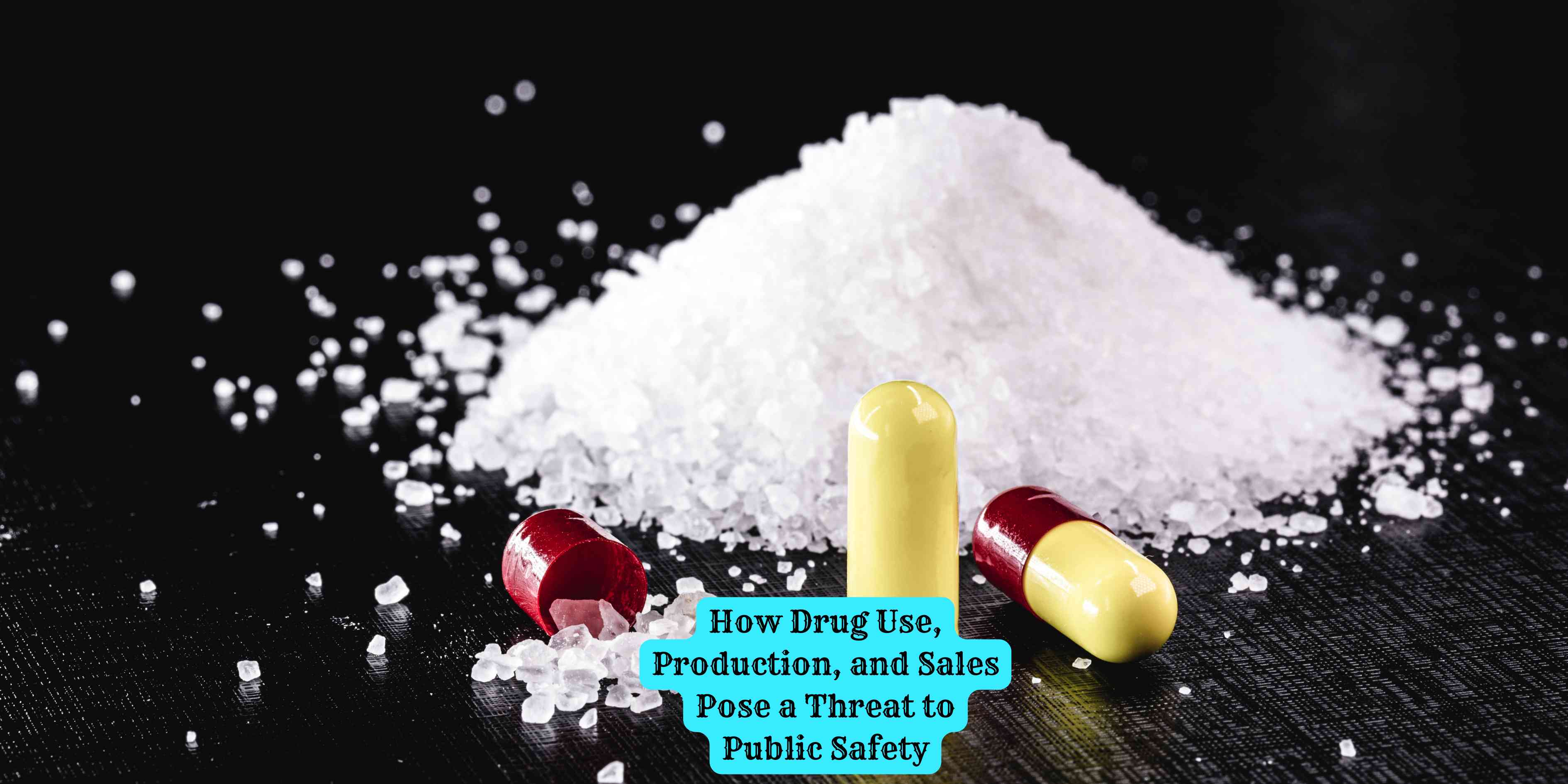
The Short Answer
Drug use, production, and sales pose a threat to public safety because they can cause overdose deaths, impaired driving, violence, unsafe drug labs, child neglect, exploitation, property crime, community fear, and strain on emergency services. The danger is not only the drug itself but the network of harms around addiction and illegal supply.
Public safety is threatened when drug activity increases injury, death, crime, instability, and emergency burden in a community.
Overdose and Poisoning
The most direct threat is overdose. Potent opioids, especially illicit fentanyl and drug mixtures, can be deadly in very small amounts. People may not know what is in a pill, powder, or substance they buy.
Overdoses affect users, families, bystanders, emergency responders, hospitals, and entire communities.
Even nonfatal overdoses can cause brain injury, trauma, and repeated medical emergencies.
Impaired Driving and Accidents
Drug use can impair judgment, reaction time, coordination, attention, and perception. A person under the influence may drive dangerously, operate machinery, start fights, fall, drown, or make unsafe decisions.
Impaired driving puts passengers, pedestrians, other drivers, and first responders at risk.
This makes substance use a public safety issue, not only a private health issue.
Violence and Criminal Networks
Illegal drug sales can be tied to violence, intimidation, weapons, robbery, trafficking, and territorial disputes. Criminal networks may use threats to control markets, collect debts, or silence witnesses.
People living in affected neighborhoods may experience fear, reduced trust, and less willingness to use public spaces.
Violence connected to drug markets can harm people who do not use drugs at all.
Dangerous Production Sites
Drug production can create fires, explosions, toxic fumes, chemical contamination, and hazardous waste. Illegal labs may be located in homes, apartments, motel rooms, vehicles, or rural areas.
Children, neighbors, landlords, law enforcement, firefighters, and cleanup workers can be exposed to danger.
Production sites can leave behind chemicals that continue to harm people after the operators leave.
Exploitation and Trafficking
Drug markets often exploit vulnerable people. Some people are pressured into selling, transporting, storing, or using drugs. Others trade sex, labor, or theft for substances or money.
Addiction can make people easier to manipulate. Young people, people experiencing homelessness, and people with untreated mental health conditions may be especially vulnerable.
Public safety includes protecting people from exploitation as well as stopping illegal supply.
Family and Child Safety
Drug use in a household can create unsafe conditions for children and dependents. Risks may include neglect, unsafe storage of substances, exposure to violence, lack of supervision, financial instability, or emotional trauma.
Children may also be exposed to overdose events, police activity, or dangerous adults.
Supporting treatment and family services can reduce these harms.
Strain on Public Services
Drug-related harm places pressure on emergency medical services, hospitals, courts, jails, schools, child welfare agencies, shelters, and treatment providers.
Communities may spend large amounts of time and money responding to crises instead of preventing them.
Public health and public safety work best when prevention, treatment, enforcement, harm reduction, and recovery support are coordinated.
Community Trust Can Break Down
Drug activity can also weaken trust between residents, businesses, schools, and public agencies. People may stop reporting problems if they fear retaliation or believe nothing will change.
When trust breaks down, prevention becomes harder. Neighbors may avoid each other, businesses may leave, and young people may see illegal activity as normal.
Restoring safety therefore requires more than arrests. It also requires treatment access, youth programs, stable housing, mental health support, and visible community investment.
Prevention matters.
Key Takeaway
Drug use, production, and sales threaten public safety by increasing overdose, accidents, violence, toxic exposure, exploitation, family harm, and pressure on emergency systems.
The best response combines prevention, treatment, recovery support, community protection, and enforcement against dangerous trafficking and production.