

7 Reasons You Can’t Use Tampons
If tampons feel painful, uncomfortable, or impossible to use, the reason may involve technique, flow, anxiety, irritation, infection, anatomy, or a medical issue that needs care.
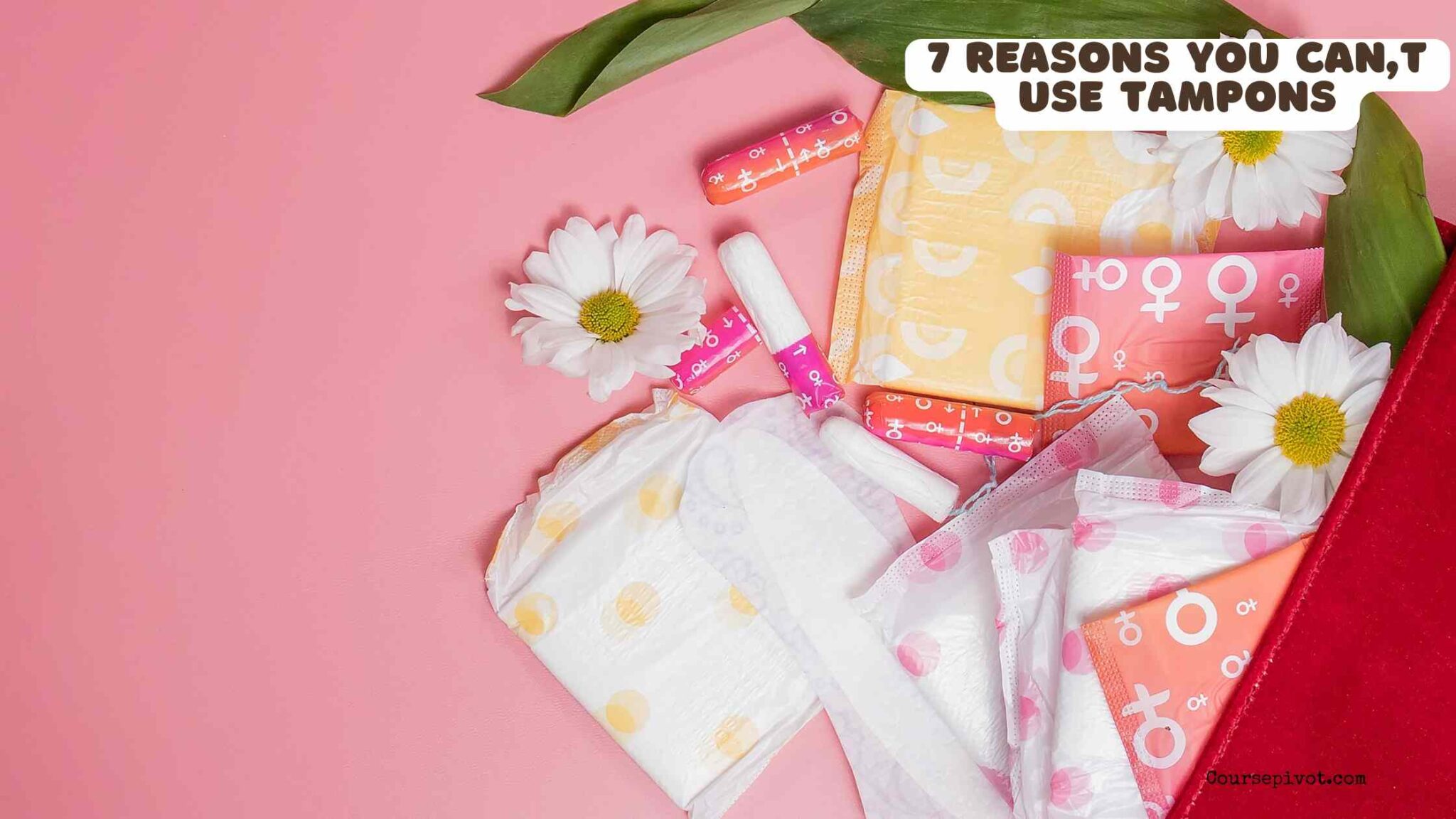
If you cannot use tampons, you are not alone, and it does not mean something is wrong with you. Some people use tampons comfortably, while others find them painful, stressful, irritating, or simply not a good fit for their body.
Tampons should not feel sharply painful once they are inserted correctly. If you feel strong pain, burning, unusual discharge, fever, rash, dizziness, or you cannot remove a tampon, stop using tampons and contact a healthcare professional.
The goal is not to force your body to accept tampons. The goal is to understand what may be happening and choose the safest period product for you.
You May Be Inserting the Tampon at the Wrong Angle
One common reason tampons feel impossible is insertion angle. The vagina does not go straight upward. For many people, the tampon needs to be guided gently backward, toward the lower back, rather than pushed straight up.
If the angle is wrong, the tampon may hit the vaginal wall and feel blocked, painful, or uncomfortable. This can make someone think their body cannot use tampons when the real issue is positioning.
It may help to read the instructions in the tampon box, use the smallest absorbency available, relax your legs and pelvic muscles, and try a comfortable position such as sitting, standing with one foot raised, or squatting slightly. If it still hurts, do not keep forcing it.
Your Flow May Be Too Light
Tampons are usually more comfortable when there is enough menstrual flow to help them slide in and absorb fluid. If your period is very light, a tampon can feel dry, scratchy, or difficult to insert and remove.
Using a tampon that is too absorbent for your flow can also cause discomfort. The FDA advises using the lowest absorbency needed for your flow and changing tampons regularly. A tampon that stays dry for many hours may be more absorbent than you need.
On lighter days, pads, period underwear, or pantyliners may be more comfortable. You do not have to use tampons every day of your period.
You May Be Nervous and Tightening Your Pelvic Muscles
Anxiety can make tampon insertion harder. When you feel nervous, your pelvic floor muscles may tighten without you meaning to. This can make the vaginal opening feel smaller or closed, even when there is nothing physically blocking it.
This is especially common if you are using a tampon for the first time, worried it will hurt, afraid of doing it wrong, or uncomfortable with your body. The more you panic, the more your muscles may tense.
Slow breathing, privacy, patience, and not rushing can help. But if you repeatedly cannot insert a tampon because your muscles tighten or the pain feels intense, it may be worth discussing with a gynecologist or another qualified healthcare professional.
You May Have Vaginismus or Pelvic Floor Tightness
Vaginismus happens when the muscles around the vagina tighten involuntarily during attempted penetration. This can happen with tampons, pelvic exams, fingers, or sex. Cleveland Clinic notes that vaginismus is not something a person chooses; the muscles tighten outside of conscious control.
People with vaginismus may feel burning, stinging, sharp pain, panic, or a sense that insertion is impossible. Some people can insert a tampon partly but not fully. Others cannot insert one at all.
Vaginismus and pelvic floor tightness can often improve with proper care, such as pelvic floor physical therapy, counseling when anxiety or trauma is involved, and gradual treatment guided by a clinician. Pain is information, not a challenge you have to defeat by force.
You May Have Irritation, an Infection, or Vaginal Pain
Tampons can feel painful if the vulva or vagina is already irritated. Possible causes include yeast infections, bacterial vaginosis, sexually transmitted infections, skin irritation, small cuts, vulvar conditions, or inflammation.
Warning signs may include itching, burning, unusual odor, unusual discharge, swelling, sores, pelvic pain, pain during sex, or pain when urinating. If these symptoms are present, tampons may make the discomfort worse.
It is better to pause tampon use and get medical advice instead of guessing. This is especially important if you have bleeding that seems unusual, severe pain, or symptoms that keep returning. You may also find it helpful to read about common reasons why you are bleeding after sex if bleeding happens outside your normal period pattern.
Your Anatomy May Make Tampon Use Difficult
Bodies vary. Some people have a hymenal difference, a narrow vaginal opening, pelvic floor differences, scarring, or another anatomical reason that makes tampon insertion difficult. In rare cases, there may be a structural issue that needs medical evaluation.
It is a myth that everyone should be able to use tampons easily if they just relax. Relaxation helps some people, but it does not solve every cause of pain or blockage.
If you feel like the tampon physically cannot go in, keeps hitting a barrier, or causes severe pain every time, a healthcare professional can check whether anatomy, muscle tension, or another condition is involved.
You May Be Sensitive or Allergic to a Product
Some people react to fragrance, deodorants, dyes, materials, or chemicals in certain menstrual products. ACOG recommends using menstrual pads or tampons that are deodorant-free and without unnecessary irritating coatings.
Sensitivity may cause itching, burning, redness, swelling, rash, or discomfort soon after using a product. If one brand or type causes symptoms, stop using it and consider switching to unscented pads, period underwear, or another option while you seek advice.
If you ever develop sudden fever, vomiting, diarrhea, dizziness, rash, muscle aches, or feel very ill while using tampons, remove the tampon and seek urgent medical care. Toxic shock syndrome is rare, but it is serious and needs immediate attention.
What to Do If Tampons Do Not Work for You
You do not need to prove anything by using tampons. Pads, period underwear, menstrual cups, and other period products exist because different bodies and lifestyles need different options.
If you still want to try tampons, start with the lowest absorbency, follow the package directions, change them as directed, and stop if you feel pain or unusual symptoms. If tampons are consistently painful or impossible, talk with a healthcare professional. For sudden severe symptoms, it may be safer to seek urgent care; this guide on reasons to go to urgent care can help you think through when same-day care may be appropriate.
Tampons are optional. Your comfort, safety, and health matter more than using a specific period product.