

12 Signs That Your Marriage Is Over
Most marriages don't end suddenly. They deteriorate through a recognizable set of patterns. These 12 signs indicate that a marriage may have reached a point where recovery requires significant intervention — or may not be possible.
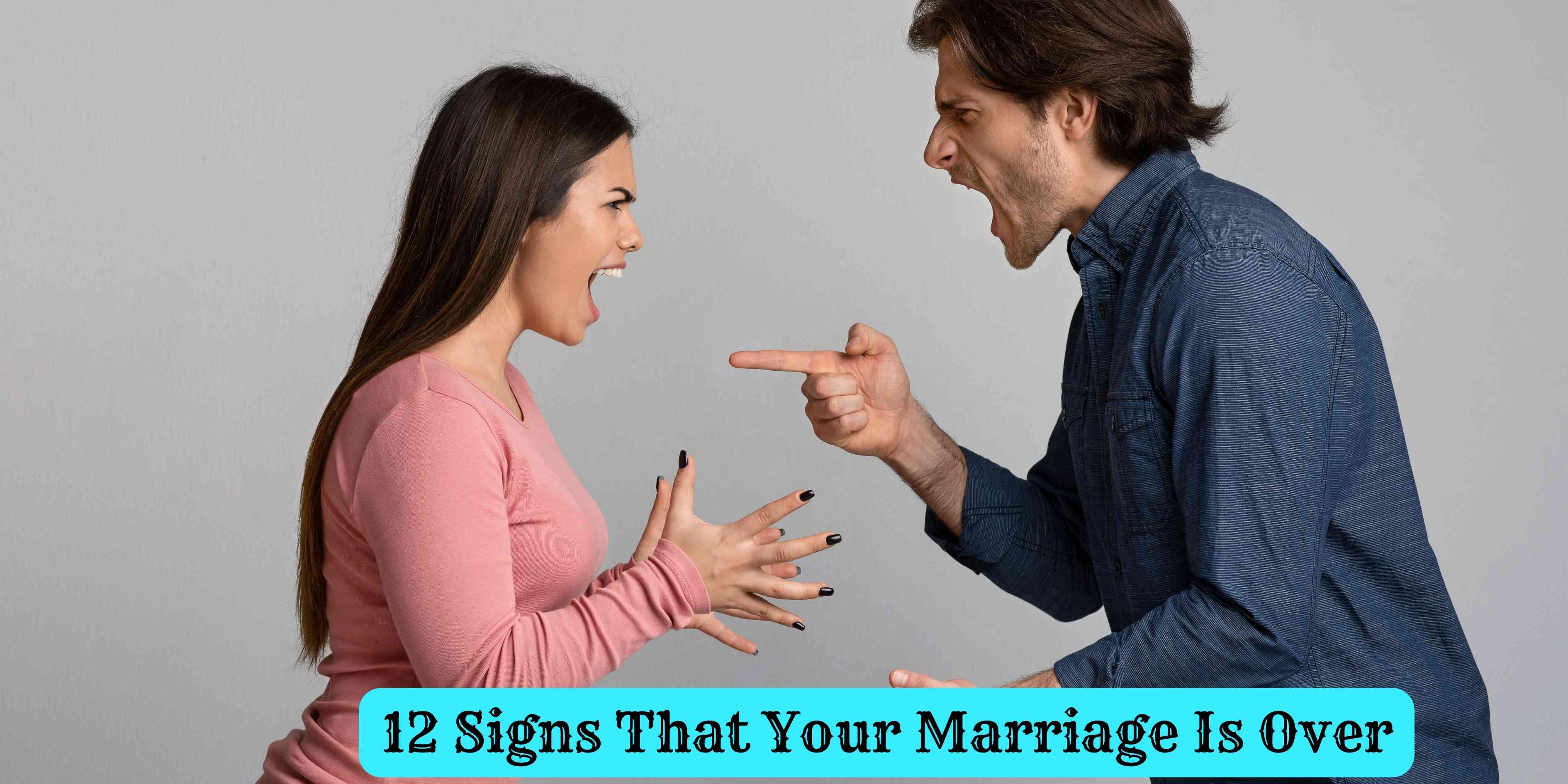
Marriage researcher John Gottman’s decades of research identified specific patterns — what he called the Four Horsemen — that predict divorce with high accuracy: contempt, criticism, defensiveness, and stonewalling. Beyond these specific patterns, there are behavioral and emotional signals that indicate a marriage has deteriorated past the point where ordinary effort can restore it. These 12 signs are a serious warning that a marriage may be effectively over, even before any official decision is made.
Emotional and Communication Signs
Contempt has replaced conflict. There is a significant difference between fighting and contempt. Couples who fight are still invested enough to argue. Contempt — expressed through eye-rolling, mockery, dismissiveness, treating a partner as beneath serious engagement — reflects a fundamental loss of respect that is the single strongest predictor of divorce. When a partner is viewed with contempt rather than frustration, the foundation of the relationship has eroded.
Conversations have become purely functional. When communication narrows to logistics — the schedule, the bills, the children — and no longer includes personal sharing, emotional exchange, or genuine connection, the relationship has become managerial. Partners who have stopped talking to each other in the way that people talk to people they’re close to have already created significant emotional distance.
You feel more alone in the marriage than you would feel single. Loneliness within a relationship is more isolating than ordinary loneliness, because there is someone physically present with whom connection seems unavailable. When the marriage is the source of loneliness rather than a buffer against it, this is a significant indicator of fundamental disconnection.
Physical and Intimacy Signs
Physical affection has completely ceased. Not just sexual intimacy, but all physical warmth — a hand on the shoulder, a hug in passing, physical closeness on the couch — has disappeared. When partners stop touching each other in even casual ways, the physical distance is expressing emotional distance that has become total.
There is no desire to repair after conflict. Healthy couples repair after arguments — apologizing, reconnecting, returning to affection. When neither partner makes repair attempts after conflict, or when repair attempts are rejected, the relationship is operating in a sustained state of unresolved damage. The absence of repair is one of the most telling indicators of emotional exit.
Thoughts of life without your spouse bring relief rather than grief. When imagining the end of the marriage produces a feeling of relief — a sense of weight lifting rather than loss — this internal response is meaningful information about where you actually are emotionally.
Behavioral and Practical Signs
You have stopped investing in the relationship. Not planning together, not putting effort into date nights or quality time, not trying new things, not introducing your spouse to new parts of your life — the withdrawal of investment reflects the withdrawal of belief that investment will yield anything worthwhile.
You have separate and fully independent lives. Different friend groups, different routines, different finances managed separately, different spaces — when parallel lives develop within a marriage to the point where the spouses are essentially living as roommates with a legal connection, the practical infrastructure of partnership has already dissolved.
One or both partners has repeatedly refused counseling. Marriage counseling is not a cure, but refusal to attempt it — particularly when the marriage is clearly in crisis — reflects an unwillingness to invest in the relationship’s recovery. A partner who refuses counseling has often already made an internal decision that they are unwilling to articulate.
What These Signs Mean Together
No single sign determines whether a marriage is over. Marriages recover from serious crises — infidelity, prolonged disconnection, significant individual struggles — when both partners choose to invest in repair with genuine commitment and often professional support. What makes recovery difficult is when the will to try has left one or both partners. The most honest diagnostic question is not “can this marriage be saved?” but “do both of us still want to save it?” When the answer to that question is honestly no for one partner, the marriage is effectively over in the sense that matters most — it has lost the mutual investment that partnership requires. Recognizing that honestly, rather than remaining in a deteriorating situation indefinitely, is often the most humane course available.