

6 Reasons Why Pizza Is Bad For You
Pizza is one of the most widely consumed foods in the world — and one of the most nutritionally problematic when eaten regularly and without moderation.
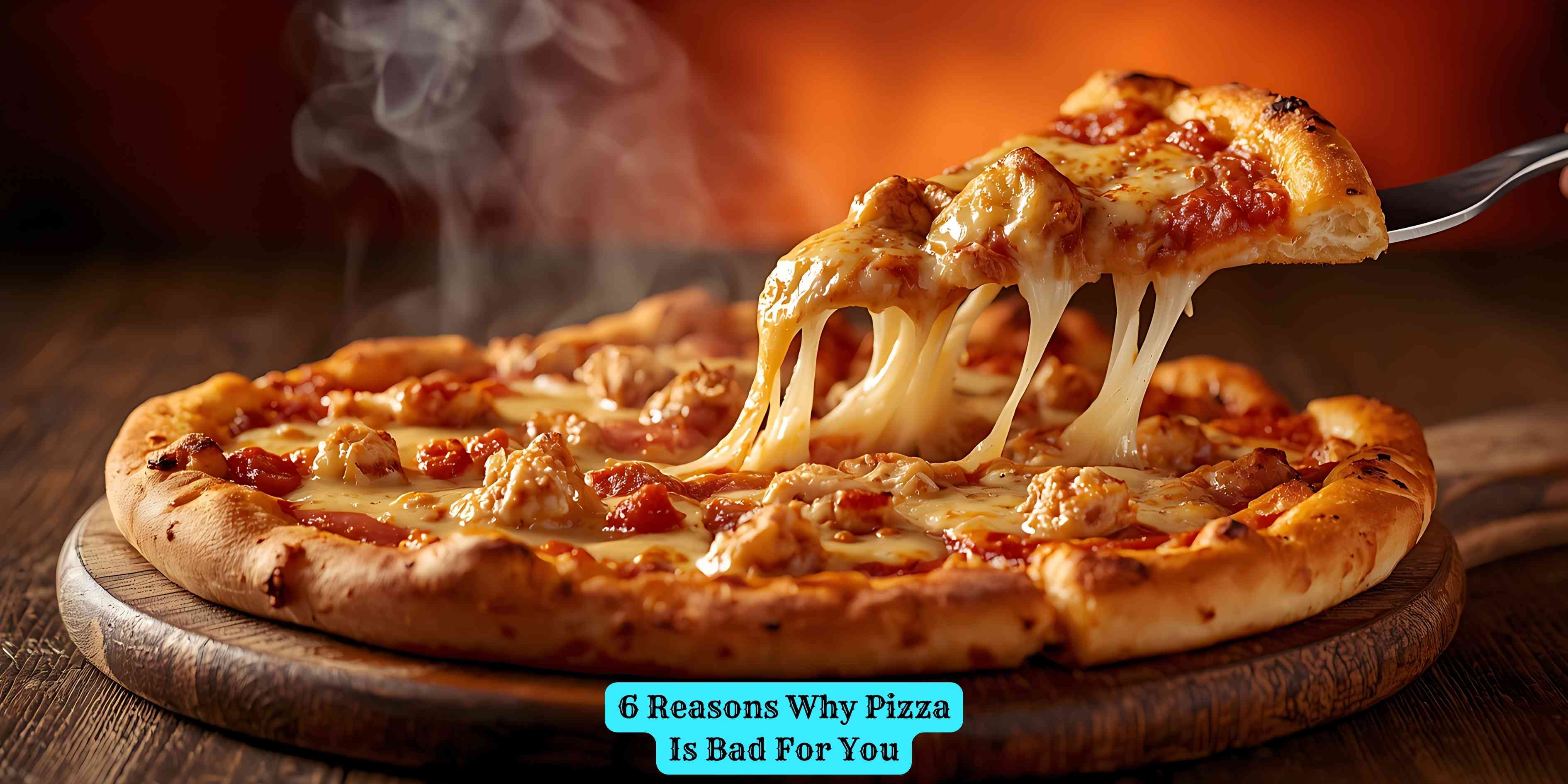
Pizza is not inherently a toxic food, but in its most common form — commercial or restaurant pizza with processed toppings, refined white flour crust, and heavy cheese — it delivers a high concentration of sodium, saturated fat, refined carbohydrates, and calories in a package that is specifically designed to make moderation difficult. Eaten occasionally, it is a reasonable indulgence. Eaten regularly as a staple, it contributes to measurable health risks.
The problem with pizza is not just what it contains — it is that almost everything about how it is made and served works against eating a reasonable amount of it.
Here are six specific reasons why pizza, as it is most commonly consumed, is bad for your health.
1. It Is Extremely High in Sodium
Sodium content is one of the most significant nutritional problems with pizza. A single slice of commercial pepperoni pizza typically contains between 600 and 900 milligrams of sodium — and most people do not stop at one slice. The sodium comes from multiple sources simultaneously: the crust, the cheese, the tomato sauce, and the toppings, each contributing independently.
The daily recommended sodium intake for most adults is around 2,300 milligrams. Two or three slices of pizza from a restaurant or chain can push you close to or past that limit in a single meal, leaving little room for sodium from anything else you eat that day.
Consistently high sodium intake is associated with elevated blood pressure, increased risk of cardiovascular disease, and fluid retention. For people with existing hypertension, kidney disease, or heart conditions, the sodium load in a regular pizza meal is a significant concern.
2. The Crust Is Made From Refined White Flour
The base of most commercial pizza is made from refined white flour — a processed carbohydrate that has had the bran and germ removed, stripping out fiber, B vitamins, and minerals that whole wheat flour retains. What remains is a carbohydrate that converts rapidly to glucose in the body.
This rapid conversion causes a spike in blood sugar followed by an equally rapid drop, a cycle that contributes to energy crashes, increased hunger shortly after eating, and over time, insulin resistance and increased risk of type 2 diabetes in people who regularly consume high-glycemic-index foods.
The crust also tends to be substantial in volume — a thick commercial crust or deep-dish base can represent a significant calorie count even before any toppings are added.
3. It Contains High Levels of Saturated Fat
Cheese is the primary source of saturated fat in most pizza, and pizza is typically not short on cheese. A generous cheese pizza derives a significant portion of its calories from fat, much of it saturated — the type associated with elevated LDL (low-density lipoprotein) cholesterol levels, which is a risk factor for heart disease.
Add in pepperoni, sausage, or other cured meat toppings, and the saturated fat content rises further. Processed meats like pepperoni are also high in preservatives such as nitrates and nitrites, which have been associated with increased cancer risk in large observational studies.
Diets chronically high in saturated fat are among the established contributors to cardiovascular disease over time.
4. It Is Calorie-Dense and Easy to Overeat
Pizza is designed to be palatable in the sense that every element — fat, salt, and refined carbohydrates — works together to encourage continued eating. This combination activates the brain’s reward systems in ways that make it genuinely difficult to stop after a moderate portion.
A single slice of cheese pizza from a typical restaurant contains roughly 250 to 350 calories. A pepperoni or meat-heavy slice can be closer to 400 calories. Eating three or four slices — which is common — delivers 750 to 1,400 calories in a single sitting, often more than half the recommended daily intake for many adults.
When this level of calorie density is paired with the food’s engineered palatability, overeating is practically built in. The format of pizza — informal, social, often served at gatherings where consumption is distracted — also contributes to portions that exceed what most people intend to eat.
5. Commercial Toppings Add Processed Ingredients
Beyond cheese and pepperoni, most commercial pizzas include a range of processed ingredients: pre-made sauces with added sugar, processed meat toppings with preservatives, and flavor enhancers that increase palatability while adding little nutritional value.
The tomato sauce found on most pizzas sounds healthy — tomatoes are nutritious — but commercial pizza sauce often includes added sugar to balance the acidity, artificial flavoring, and large amounts of sodium. The net nutritional profile of the sauce is quite different from what you would get from eating fresh or minimally processed tomatoes.
The combination of multiple processed ingredients in a single meal means the total load of additives, preservatives, and refined components is higher than eating any one of those ingredients in isolation.
6. Portions Are Consistently Larger Than They Should Be
Restaurant pizza slices have grown significantly in size over the decades, a phenomenon researchers describe as portion distortion — the gradual normalization of increasingly large serving sizes. What a “slice” means today in a typical pizzeria is substantially more food than it was thirty years ago.
This makes calorie tracking difficult for people who rely on general portion guidelines, because those guidelines may reflect serving sizes that no longer match what is actually served. A “two-slice” meal sounds moderate, but if those slices are from an oversized restaurant pizza, they may represent a full day’s worth of saturated fat and most of a day’s sodium allocation.
None of this means pizza cannot be eaten — occasional, moderate consumption of almost any food fits within a healthy overall diet. The concern is regular or habitual pizza consumption as a dietary staple, particularly the commercial, high-sodium, refined-flour varieties most commonly available. For a contrasting perspective on foods with more surprising health upsides, reasons why ice cream is actually good for you looks at a similarly indulgent food through a different lens.