

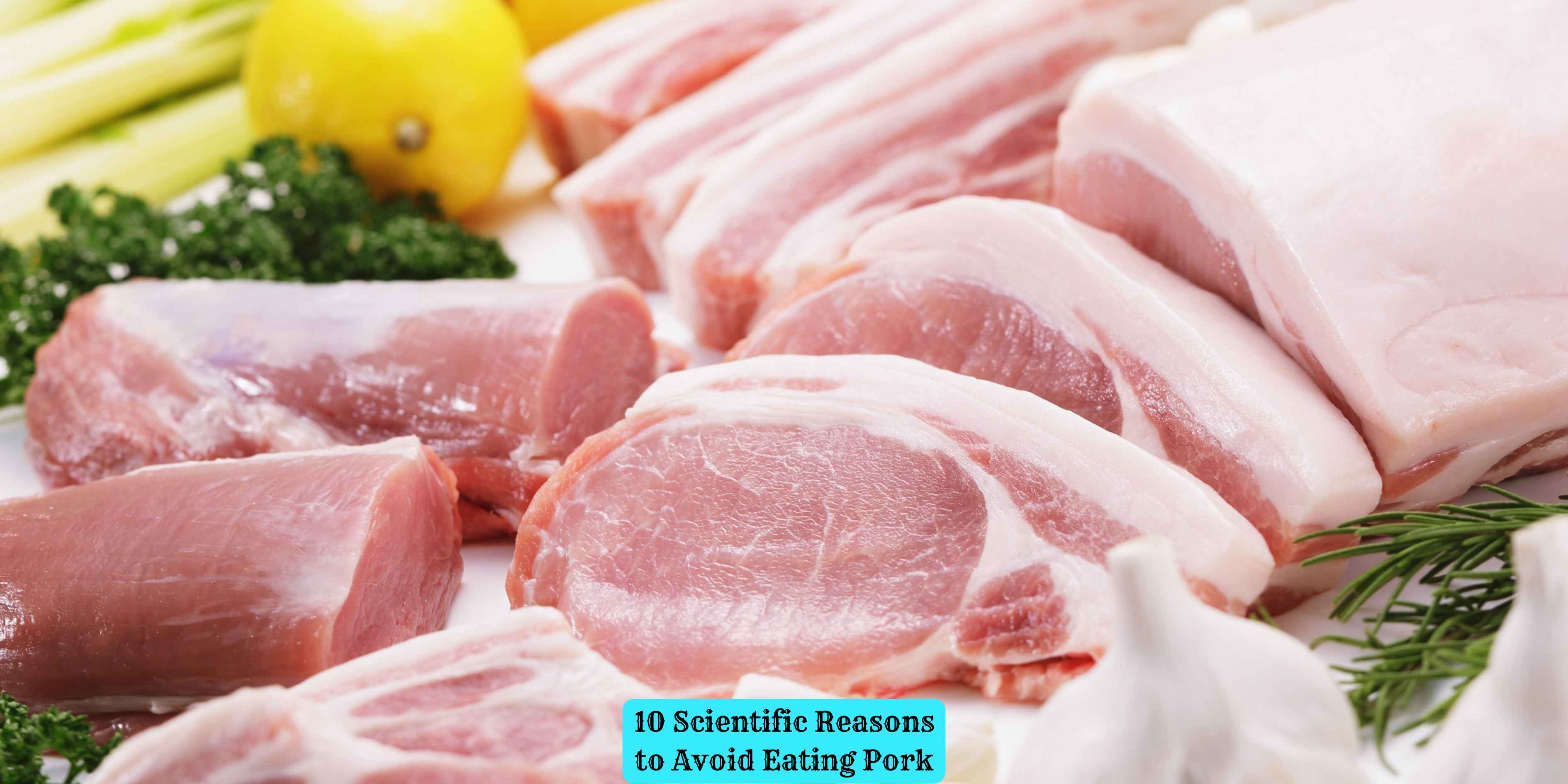
10 Scientific Reasons to Avoid Eating Pork
Some people avoid pork because of health, food safety, processing, and personal risk concerns.
1. Processed Pork Is Linked to Cancer Risk
Many common pork products are processed meats, including bacon, ham, sausage, pepperoni, salami, hot dogs, and some deli meats. The World Health Organization’s cancer agency classifies processed meat as carcinogenic to humans based on evidence linking it to colorectal cancer.
This does not mean one serving automatically causes cancer. It means regular exposure is associated with higher risk.
The strongest scientific reason to avoid pork usually applies to processed pork, not simply to every fresh pork chop.
2. Some Pork Products Are High in Sodium
Bacon, ham, sausage, cured pork, and deli pork can contain high amounts of sodium. Excess sodium can contribute to high blood pressure in many people, especially those who are salt-sensitive.
High blood pressure is a major risk factor for stroke, heart disease, and kidney disease.
Avoiding processed pork can be one way to reduce sodium intake.
3. Fatty Cuts Can Be High in Saturated Fat
Pork varies widely. Tenderloin can be relatively lean, while bacon, ribs, pork belly, and some sausages can be high in saturated fat.
The American Heart Association recommends limiting saturated fat because it can raise LDL cholesterol and increase cardiovascular risk.
People with high cholesterol, heart disease risk, or a family history of heart problems may choose to avoid pork or limit fatty cuts.
4. Undercooked Pork Can Carry Parasite Risk
Pork is much safer today when properly inspected, handled, and cooked, but undercooked pork can still carry food safety risks. The CDC explains that trichinellosis can occur after eating raw or undercooked meat infected with Trichinella parasites.
Proper cooking greatly reduces this risk. USDA guidance says pork steaks, chops, and roasts should reach 145 degrees Fahrenheit with a three-minute rest, while ground pork should reach 160 degrees Fahrenheit.
Avoiding pork removes this specific concern.
5. Cross-Contamination Can Cause Foodborne Illness
Raw pork can contaminate cutting boards, knives, counters, hands, and nearby foods if handled carelessly. Food safety depends on cleaning, separating raw meat from ready-to-eat foods, cooking to safe temperatures, and chilling leftovers promptly.
People who do not want to manage these risks may prefer plant-based proteins or fully cooked alternatives.
This is especially relevant in shared kitchens, cafeterias, and rushed home cooking.
6. High-Heat Cooking Can Create Harmful Compounds
Cooking meat at very high temperatures, especially grilling, frying, charring, or barbecuing, can create compounds such as heterocyclic amines and polycyclic aromatic hydrocarbons.
IARC notes that cooking meat at high temperatures can produce carcinogenic chemicals, with higher amounts generated by pan-frying, grilling, or barbecuing.
Avoiding pork, or avoiding charred pork, can reduce exposure to these compounds.
7. Some People Have Religious or Ethical Restrictions
Avoiding pork is not only a nutrition decision. Jewish and Muslim dietary laws prohibit pork, and some people avoid it for spiritual, cultural, ethical, or identity reasons.
Scientific nutrition does not need to be the only valid reason for a food choice.
For many people, avoiding pork protects both health goals and personal values.
8. Processed Pork Can Displace Healthier Proteins
When meals center on bacon, sausage, ham, or pepperoni, they may crowd out beans, lentils, fish, nuts, seeds, tofu, eggs, poultry, vegetables, and whole grains.
The concern is not just what pork contains. It is also what the overall diet lacks when processed pork becomes a frequent staple.
Replacing processed pork with fiber-rich plant proteins can improve diet quality.
9. It May Not Fit Some Medical Diets
People with high blood pressure, kidney disease, heart disease, gout concerns, high cholesterol, or certain digestive conditions may be advised to limit sodium, saturated fat, purines, or processed meats.
Medical needs vary, so people should follow their clinician’s advice.
For some, avoiding pork is a simple way to make a complicated diet easier.
10. There Are Many Alternatives
Avoiding pork is easier than it used to be. People can choose beans, lentils, chickpeas, tofu, tempeh, eggs, fish, poultry, nuts, seeds, or leaner plant-forward meals.
For flavor, smoked paprika, mushrooms, herbs, garlic, onions, and umami-rich sauces can replace some of the savory taste people expect from pork dishes.
The more alternatives a person enjoys, the easier it becomes to avoid pork without feeling restricted.
Pork can be part of a balanced diet when it is lean, unprocessed, safely cooked, and eaten in moderation. But avoiding pork may make sense for people concerned about processed meat, sodium, saturated fat, food safety, religious beliefs, or personal health goals.