

17 Reasons Older Men Prefer to Be Alone
More older men are choosing to live alone — not because they failed at relationships, but because, for many, solitude suits them better than anything partnership has offered. These 17 reasons explain why.
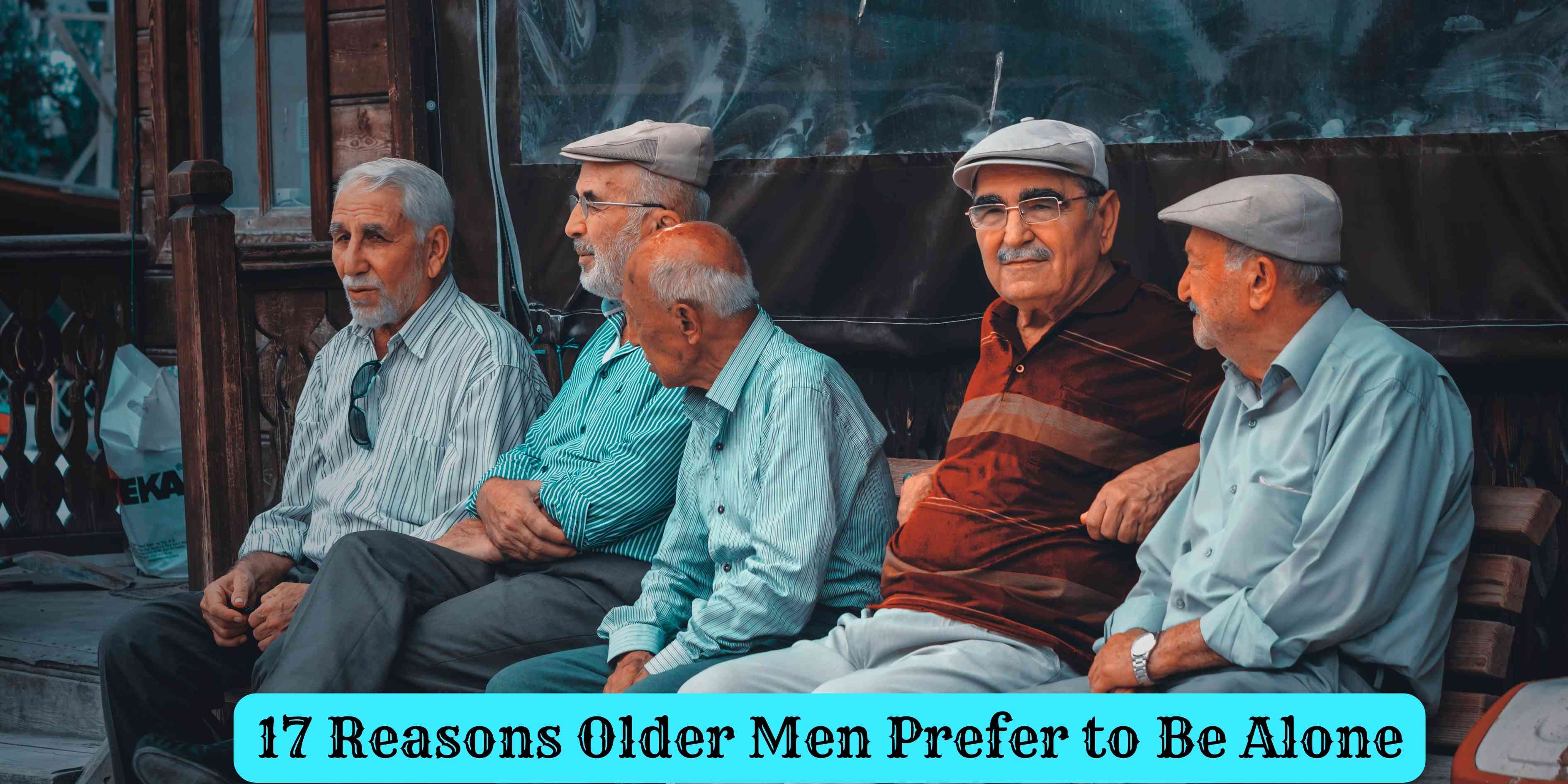
The number of older men living alone has increased significantly in recent decades, and while some of this reflects divorce rates and widowhood, a growing share reflects deliberate choice. Many older men who have the option of partnership — who are not simply unlucky in love — actively prefer solitude.
The reasons are varied: accumulated relationship experience, personal growth, the particular freedom that comes with later life, and an honest reckoning with what relationships cost and what they provide. These 17 reasons trace that preference across its most common dimensions.
Freedom and Autonomy
1. Complete control over daily life. After decades of accommodating a partner’s schedule, preferences, habits, and needs — or simply of the ongoing negotiation that shared life requires — many older men find the freedom to make every decision independently, from what to eat to when to sleep to how to spend a Saturday, to be genuinely and deeply satisfying rather than lonely.
2. No compromise on lifestyle. An older man’s daily routines, home environment, social choices, and personal preferences are fully his own when he lives alone. The small daily compromises of shared life that seem trivial when young can accumulate into something that feels like chronic low-grade loss over decades — and removing them feels like restoration.
3. Freedom to pursue personal interests fully. The hobbies, interests, passions, and ways of spending time that an older man has accumulated — woodworking, fishing, travel, reading, collecting, sports — can be pursued without negotiation, accommodation, or the implicit pressure of a partner who does not share them.
4. The ability to move, change, and adapt without managing another person’s life. Older men who want to relocate, travel for extended periods, downsize, change careers, or make major life transitions find it significantly easier without a partner. The flexibility of late-life solitude is an underappreciated form of freedom.
Accumulated Relationship Experience
5. Past relationships revealed what they cost. Men who have been through difficult marriages, painful divorces, or long relationships that ended badly carry that experience forward. The appeal of partnership feels different when it’s been fully experienced — including its costs — than it did at 25 when it was still partly imagined.
6. The specific work of relationships no longer seems worth it. Long-term relationships require constant emotional labor, communication, compromise, and maintenance. Some older men look at that work honestly — relative to what it produced — and decide the return on investment is no longer sufficient for where they are in life.
7. They’ve learned what they actually need. Older men who have done genuine self-work often discover that many of the needs they sought to meet through relationships — connection, validation, a sense of purpose and meaning — they can now meet through friendships, work, faith, community, and personal practice. The partnership solution to loneliness is one solution, not the only one.
Practical and Life-Stage Factors
8. Children are grown; the family structure that required partnership no longer exists. Many men’s relationships were organized, at least partly, around raising children together. When that chapter is complete, the practical partnership that made sense in that context may no longer have the same structural role.
9. Financial independence removes one traditional draw toward partnership. Younger men often find partnership financially helpful — shared housing, shared expenses, combined income. Older men who are financially stable have less practical incentive to form partnerships driven by economic factors.
10. The social infrastructure of older life is more varied than it was. Older men today have more diverse social options than previous generations — active social clubs, online communities, travel groups, volunteer organizations, fitness communities — that provide social connection without requiring a primary romantic partnership.
Personality and Temperament
11. Introversion is often more pronounced and more accepted with age. Many men become more introverted as they age, requiring more alone time to recharge and finding deep satisfaction in solitary activities. The social expectation that adults should want partnership can fade as men become more comfortable accepting and expressing their actual temperament.
12. A developed relationship with solitude itself. Men who have spent significant time alone and learned to inhabit it comfortably — to enjoy their own company, to be productive and fulfilled when alone — often find that solitude is not the absence of something good but a mode of being they genuinely prefer.
13. Less tolerance for drama, conflict, and relationship turbulence. Older men who have spent years navigating relationship conflict, emotional turbulence, and the interpersonal difficulty that is often highest in the early and middle stages of partnerships often find, with age, that they simply don’t want to re-enter that kind of environment. The peace of their own home has high value.
Emotional and Psychological Factors
14. They’ve processed loss and found their footing. Men who are widowed or divorced sometimes go through an extended period of grief and recalibration — and emerge from it having rebuilt a life organized around solitude that suits them. The preference for being alone is not unhealed grief but the equilibrium they found after it.
15. Partnership at this stage would require renegotiating a finished self. By later life, many men have a fully developed sense of who they are, what they value, and how they want to live. Integrating a partner at this stage requires significant renegotiation of a self that feels complete — and many men are not interested in making those accommodations.
16. They have found meaning through non-romantic sources. Faith, creative work, mentorship, community service, grandparenthood, lifelong friendships — older men often find that meaning and connection are abundantly available outside of romantic partnership, and that the romantic partnership is therefore not the centerpiece of a good life that it appeared to be at younger ages.
17. They have simply chosen it — and that is enough.
Not every preference requires an explanation that satisfies other people’s expectations. Some older men prefer to be alone because they have tried partnership and prefer solitude. Others have always been more comfortable alone. Others have built lives so complete and satisfying in their current form that adding a partner feels not like gain but like disruption. Choosing solitude deliberately, from a position of self-knowledge rather than resignation, is not a failure — it is a form of self-understanding that many people, of any age, never achieve.