

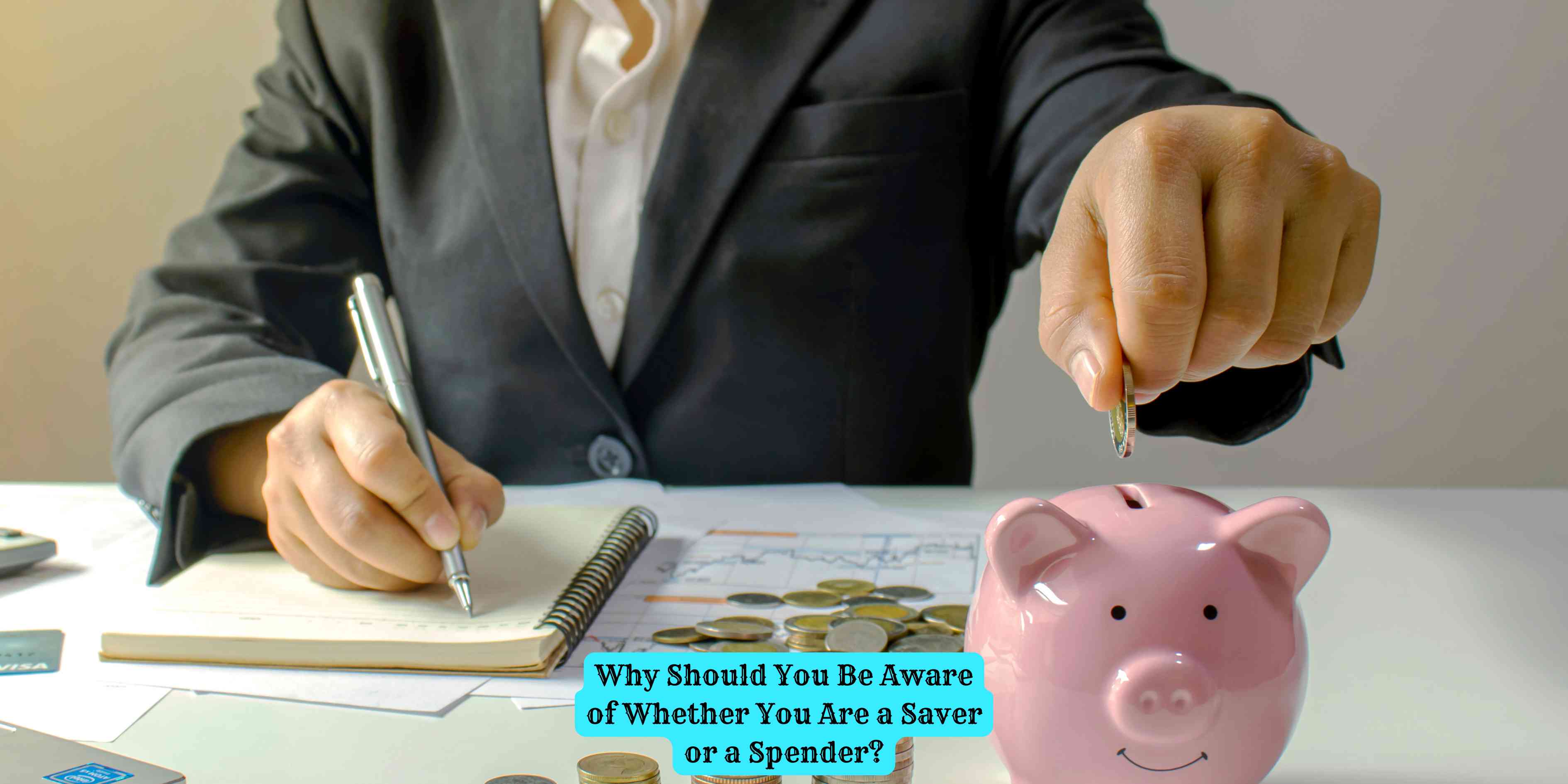
Why Should You Be Aware of Whether You Are a Saver or a Spender?
Knowing whether you lean saver or spender helps you build money habits that match your personality instead of fighting it blindly.
The Short Answer
You should be aware of whether you are a saver or a spender because your natural money habits affect how you budget, handle stress, plan goals, use credit, and make financial decisions. Awareness helps you build systems that protect your weaknesses and support your strengths.
Being a saver is not automatically good, and being a spender is not automatically bad. Both habits can be healthy or unhealthy depending on balance.
The goal is not to label yourself; it is to understand your patterns so you can make better choices.
Savers and Spenders Think Differently
A saver often feels secure when money stays available. A spender may feel more motivated by experiences, comfort, generosity, convenience, or immediate needs.
Neither pattern is strange. People learn money habits from family, culture, income level, fear, past emergencies, personality, and life experience.
Problems begin when the habit controls the person. A saver may avoid useful spending even when it improves life. A spender may ignore future consequences until debt or stress builds.
Awareness Improves Budgeting
A budget works better when it fits your behavior. If you are a spender, a strict budget with no fun category may collapse quickly. If you are a saver, a budget with no clear savings target may feel unsafe.
The CFPB encourages people to track spending to understand habits. Tracking is not about shame. It shows what is actually happening.
For example:
- A spender may need automatic savings before spending money is available.
- A saver may need a planned guilt-free spending category.
- Both may need emergency savings and debt limits.
It Helps You Set Better Goals
Money goals should match your tendencies. A spender may do better with short, visible goals such as saving $500 for emergencies or paying off one small balance. A saver may do well with long-term goals but need reminders to invest in health, relationships, or education.
Self-awareness helps you choose goals that feel real, not theoretical.
If your goal is too vague, you may abandon it. If it matches your personality, you are more likely to follow through.
It Reduces Money Stress
Money stress often grows when people repeat patterns they do not understand. A spender may feel guilty after purchases but keep spending for comfort. A saver may feel anxious even when financially stable.
Naming the pattern creates distance. Instead of saying, “I am bad with money,” you can say, “I spend quickly when I am stressed,” or “I avoid spending even on necessary things.”
That is a much more useful starting point.
It Protects Relationships
Money differences can create tension between partners, roommates, parents, children, and friends. A saver may see a spender as careless. A spender may see a saver as controlling or fearful.
Understanding your own pattern makes conversations less personal and more practical.
Quick question: what if one person saves and the other spends?
That can work if both agree on shared priorities, separate personal spending money, emergency savings, and honest communication.
It Helps You Avoid Debt Traps
Spenders may be more vulnerable to impulse purchases, buy-now-pay-later plans, credit card balances, and lifestyle creep. Savers may avoid debt but can still make mistakes, such as refusing to spend on preventive care or necessary repairs until costs become larger.
Awareness helps you create guardrails:
- Waiting periods before big purchases
- Automatic transfers to savings
- Credit card payoff rules
- Separate accounts for bills
- Spending limits for flexible categories
It Builds Balanced Habits
Healthy money management includes saving and spending. Saving protects your future. Spending supports your present life. Too much of either can create problems.
A balanced person can save for emergencies, pay bills, enjoy life, give when possible, invest in growth, and avoid unnecessary debt.
That balance usually comes from systems, not willpower alone.
Practical Takeaway
You should know whether you are a saver or a spender because your money personality affects everyday decisions. Once you understand the pattern, you can design a budget, savings plan, and spending rules that actually fit your life.
Self-awareness turns money from a mystery into a set of habits you can improve.