

Possible Explanations for Why Does My Stomach Hurt
Stomach pain can come from simple causes like gas or indigestion, but severe, persistent, or unusual pain needs medical attention.
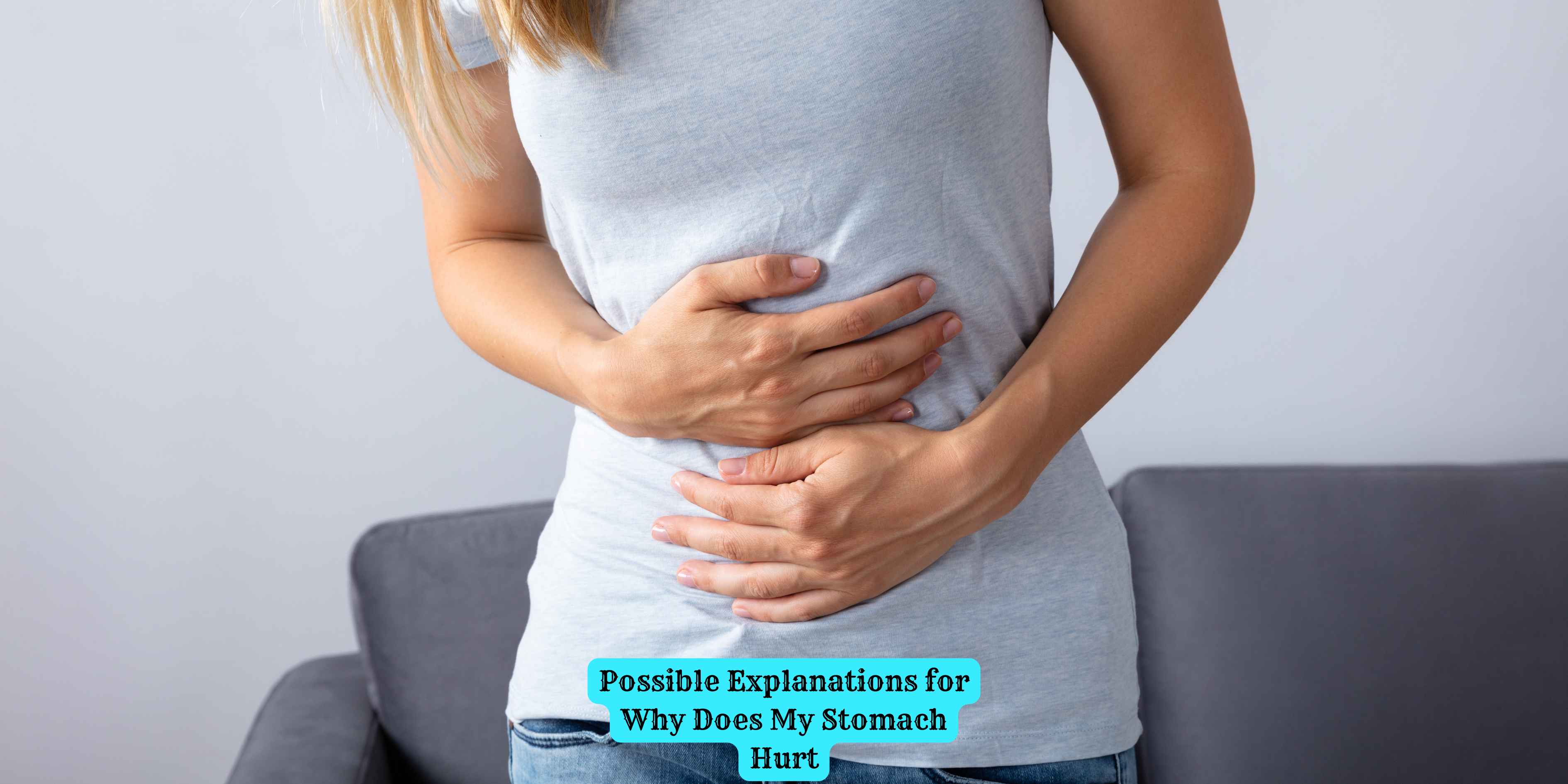
Your stomach may hurt for many reasons, including gas, indigestion, constipation, food poisoning, stomach flu, acid reflux, menstrual cramps, stress, medication side effects, ulcers, gallbladder problems, kidney stones, appendicitis, or other medical conditions.
Most mild stomachaches are not serious and improve with time, hydration, rest, or simple diet changes. But some abdominal pain can signal an emergency, especially if it is severe, sudden, persistent, or comes with fever, vomiting, blood, chest pain, fainting, pregnancy, or a swollen/tender abdomen.
Stomach pain is a clue, not a diagnosis; the pattern, location, timing, and related symptoms matter.
Common Mild Causes
Many stomachaches come from everyday digestive issues. Gas pain, overeating, indigestion, constipation, or eating too quickly can cause pressure, bloating, cramps, or burning discomfort.
Common mild causes include:
- Gas or bloating
- Indigestion
- Constipation
- Eating too much
- Spicy or fatty foods
- Temporary stomach virus
- Mild food intolerance
- Stress-related digestive upset
These causes often improve within hours or a few days. Still, if pain keeps returning or disrupts daily life, it is worth discussing with a healthcare professional.
Pain Location Can Give Clues
Where the pain happens may help narrow the possibilities, though it cannot confirm a diagnosis by itself.
| Pain Area | Possible Clues |
|---|---|
| Upper abdomen | Indigestion, reflux, ulcers, gallbladder issues |
| Lower abdomen | Constipation, menstrual cramps, bladder issues, bowel problems |
| Right lower side | Appendicitis can be a concern, especially if worsening |
| Right upper side | Gallbladder or liver-related problems may be considered |
| Around the belly button | Gas, early appendicitis, stomach virus, bowel issues |
Pain can also move. For example, some appendicitis pain may begin near the belly button and later shift to the lower right side.
Digestive Infections and Food Poisoning
Stomach flu and food poisoning can cause cramps, diarrhea, nausea, vomiting, fever, and weakness. These symptoms may start suddenly and often improve with rest and fluids.
Dehydration is a major concern, especially for children, older adults, pregnant people, and people with other medical conditions. Signs of dehydration can include dizziness, very dark urine, dry mouth, confusion, or inability to keep fluids down.
If vomiting or diarrhea is severe or prolonged, medical care may be needed.
Stress, Anxiety, and the Gut
Stress can affect the digestive system. Some people notice stomach pain before exams, interviews, conflict, travel, or major life changes. Anxiety can contribute to nausea, cramps, diarrhea, constipation, or appetite changes.
That does not mean the pain is imaginary. The gut and nervous system are closely connected. Stress can change digestion, muscle tension, and sensitivity to pain.
If stomach pain regularly appears during stressful periods, it may help to track food, sleep, stress, bowel habits, and symptoms.
When Stomach Pain May Be More Serious
Some causes of abdominal pain need prompt evaluation. These may include appendicitis, bowel obstruction, gallstones, pancreatitis, kidney stones, ectopic pregnancy, ulcers with bleeding, severe infection, or inflammatory bowel disease.
Mayo Clinic and Cleveland Clinic both emphasize that severe, unexplained, persistent, or unusual abdominal pain should not be ignored.
Seek urgent medical care if stomach pain comes with:
- Severe or sudden pain
- Fever
- Bloody stools or vomiting blood
- Vomiting that will not stop
- Black, tarry stools
- Chest pain or trouble breathing
- Fainting or confusion
- Severe tenderness when touched
- Swollen abdomen
- Pain after injury
- Pregnancy with abdominal pain
What You Can Track Before Calling a Clinician
If the pain is not an emergency, tracking details can help a healthcare provider understand what may be happening.
Write down:
- When the pain started
- Where it is located
- Whether it is sharp, dull, burning, crampy, or pressure-like
- What makes it better or worse
- Recent foods
- Recent travel
- Medications or supplements
- Bowel changes
- Fever, vomiting, or weight loss
Patterns matter. Pain after fatty meals may suggest something different from pain relieved by a bowel movement or pain that wakes you from sleep.
Simple Steps for Mild Pain
For mild stomach discomfort, some basic steps may help while you monitor symptoms.
You can try:
- Sipping water
- Eating bland foods
- Avoiding greasy or spicy meals
- Resting
- Walking gently for gas
- Avoiding alcohol
- Not taking unnecessary medications
Do not take strong pain medicine to mask severe abdominal pain without medical advice. Masking severe pain can delay urgent care.
Final Takeaway
Your stomach may hurt because of something simple, such as gas or indigestion, or something that needs medical care. The key is to pay attention to severity, duration, location, and warning signs.
Mild pain that improves is often less concerning. Severe, sudden, worsening, persistent, or unusual pain deserves prompt medical attention.