

Why Does a Dilemma Make Your Decision-Making More Complex?
A dilemma makes decisions harder because every option carries a cost.
The Short Answer
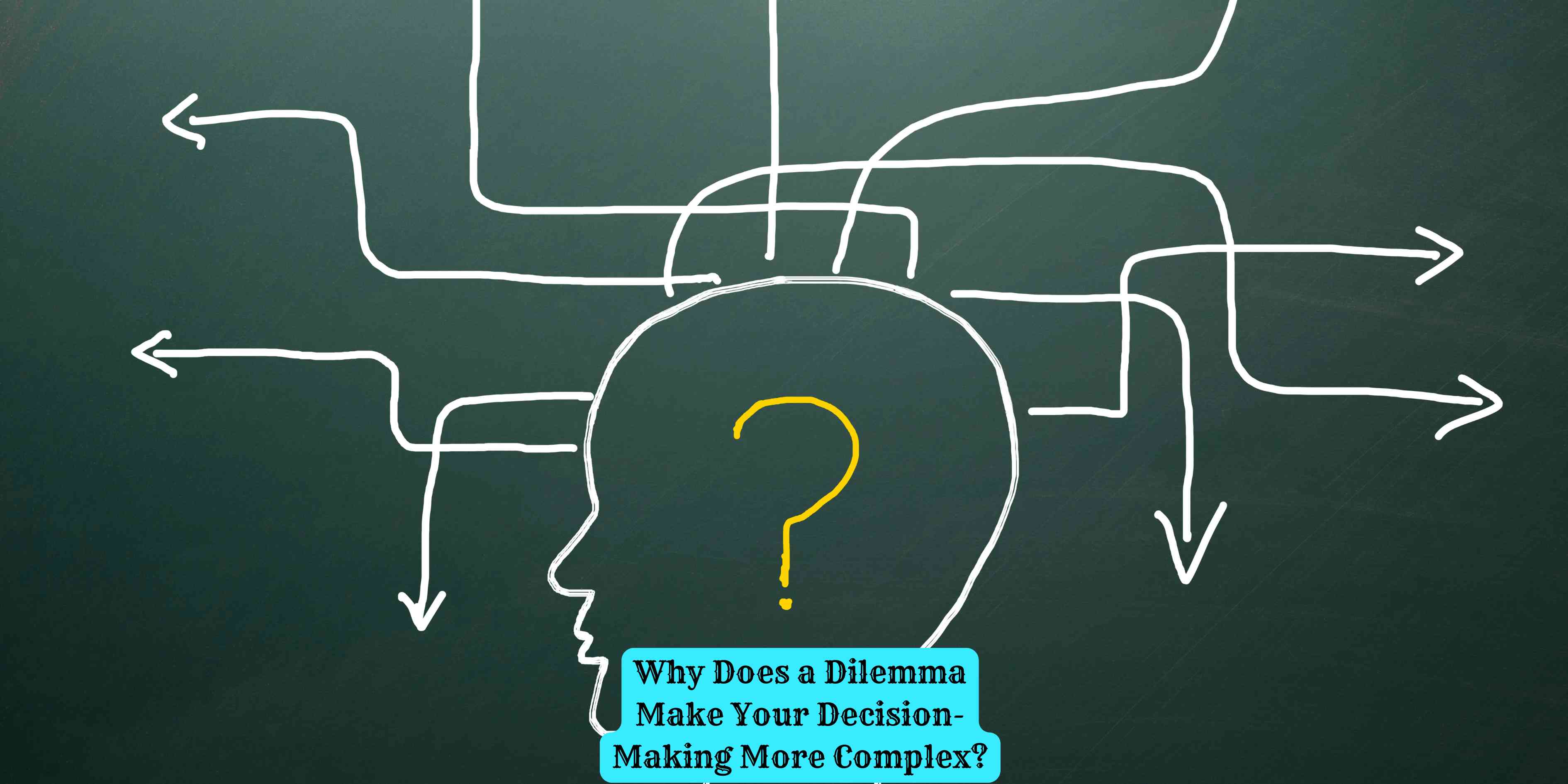
A dilemma makes your decision-making more complex because it forces you to choose between options that each have benefits and drawbacks. Unlike a simple decision, a dilemma usually involves competing values, uncertain outcomes, emotional pressure, and consequences that affect more than one person.
In a dilemma, there may be no perfect answer. The difficulty comes from choosing the most responsible option when every choice gives up something important.
A Dilemma Creates Trade-Offs
A trade-off means choosing one benefit while giving up another. For example, you may have to choose between saving money and saving time, telling the truth and protecting someone’s feelings, or accepting a job and moving away from family.
Trade-offs make decisions complex because you are not choosing between good and bad. You may be choosing between two kinds of good or two kinds of risk.
Values Can Conflict
Dilemmas often involve values such as honesty, loyalty, fairness, safety, freedom, responsibility, and compassion. These values can point in different directions.
For example, loyalty may tell you to support a friend, while honesty may tell you to report something wrong. Both values matter, which makes the decision harder.
Consequences Are Hard to Predict
Simple decisions often have clear outcomes. Dilemmas do not. One choice may solve an immediate problem but create a future problem. Another choice may hurt now but help later.
Uncertainty forces you to think beyond the first result. You must consider short-term and long-term effects.
Emotions Add Pressure
Dilemmas can create fear, guilt, anger, sadness, or anxiety. Emotions are not always bad; they can show what matters. But strong emotions can also make it harder to think clearly.
Good decision-making requires noticing emotions without letting them completely control the choice.
Other People May Be Affected
Many dilemmas affect friends, family, coworkers, classmates, customers, or communities. The more people affected, the more complex the decision becomes.
You may need to consider fairness, harm, consent, expectations, and who has the most at stake.
Information May Be Incomplete
Dilemmas often happen when you do not have all the facts. You may not know someone’s intentions, the full consequences, or whether a better option exists.
Incomplete information makes it important to ask questions, gather evidence, and avoid rushing when possible.
Rules May Not Give a Full Answer
Rules can help, but dilemmas often involve situations where rules are incomplete or conflict with each other. A school policy, workplace rule, law, or family expectation may not settle the whole issue.
In those cases, judgment matters. You must apply principles, not just follow instructions mechanically.
Dilemmas Require Prioritizing
Because every option has a cost, you must decide what matters most in that situation. Safety may matter more than convenience. Truth may matter more than comfort. Long-term integrity may matter more than short-term approval.
Prioritizing does not make the decision easy, but it gives the decision structure.
Reflection Helps Reduce Complexity
Reflection can help you slow down. Ask: What are the options? Who is affected? What values are involved? What are the likely consequences? What would I advise someone else to do?
Writing the dilemma down can also make it easier to see the real issue instead of only reacting to stress.
Good decisions are not always painless.
A dilemma may still feel difficult even after you choose wisely. A responsible decision can disappoint someone, require sacrifice, or leave some regret.
The goal is not always to feel perfectly comfortable. The goal is to make the most thoughtful, ethical, and realistic choice you can with the information available.