

What Is the Best Definition of an Entrepreneur?
An entrepreneur identifies an opportunity, organizes resources, takes risk, and creates value through a business or venture.
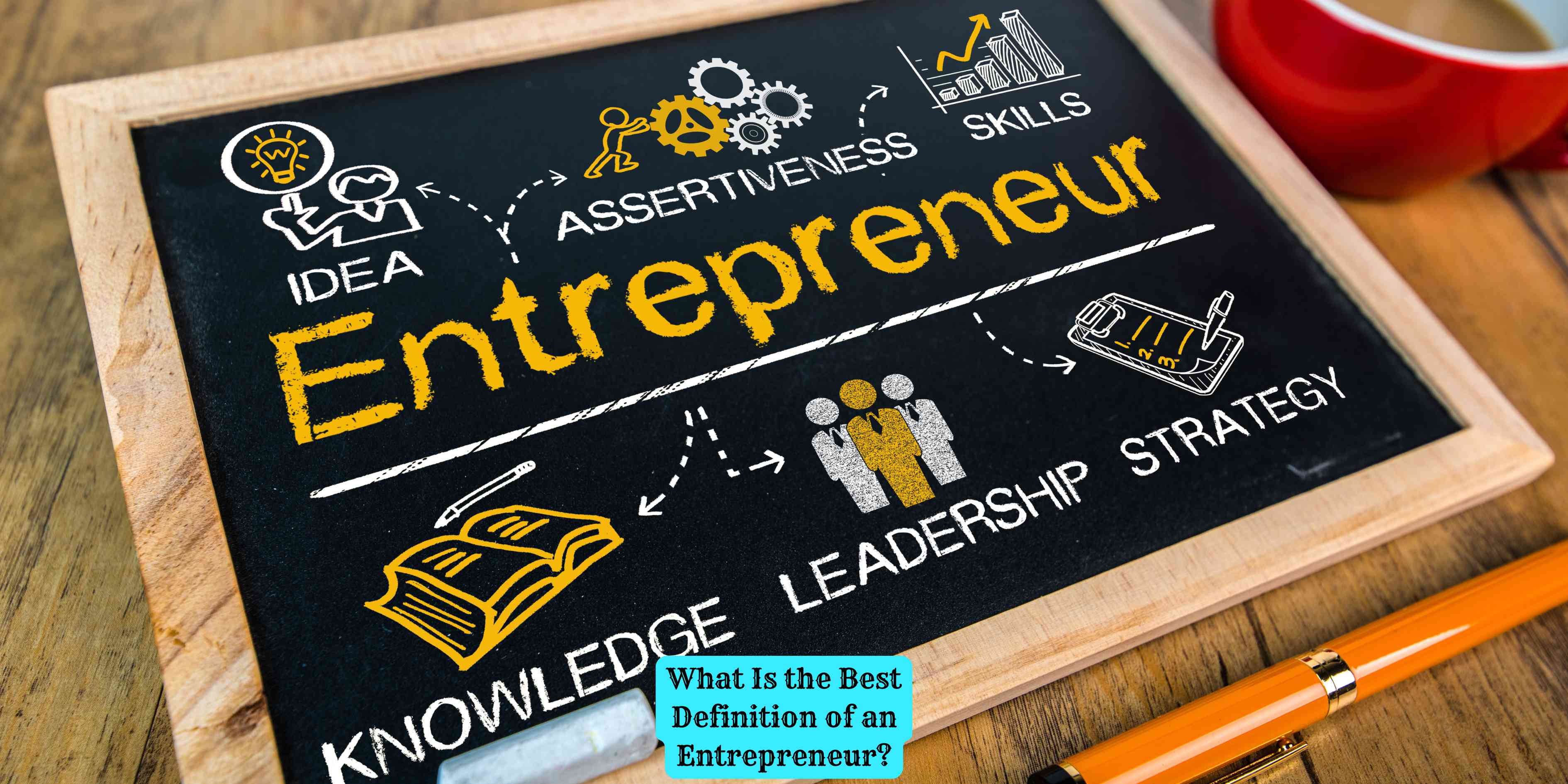
The Best Definition
The best definition of an entrepreneur is this: an entrepreneur is a person who identifies an opportunity, organizes resources, takes financial or personal risk, and creates a business or venture to offer value.
Entrepreneurs are not simply people with ideas. They act on ideas. They turn a product, service, problem, skill, or market gap into something that can serve customers or users.
The U.S. Small Business Administration supports entrepreneurs through counseling, capital, contracting, and training, which reflects the practical reality of entrepreneurship: ideas need planning, resources, and execution.
An entrepreneur is not defined by having an idea; an entrepreneur is defined by building around an opportunity.
Key Parts of Entrepreneurship
A complete definition of entrepreneur usually includes four parts:
- Opportunity: seeing a need, gap, problem, or possibility.
- Resources: gathering money, people, tools, knowledge, or time.
- Risk: accepting uncertainty about success, income, or results.
- Value: creating something customers, communities, or users benefit from.
If one part is missing, the definition becomes incomplete. Someone with an idea but no action is not yet an entrepreneur. Someone who runs a business with no risk or innovation may be a business manager, but not necessarily entrepreneurial in the stronger sense.
Entrepreneur vs. Business Owner
The terms overlap, but they are not always identical. A business owner owns or operates a business. An entrepreneur starts or develops a venture by taking risk around an opportunity.
| Role | Main focus | Example |
|---|---|---|
| Entrepreneur | Creating a venture from opportunity | Launching a new tutoring app |
| Business owner | Operating a business | Running a local store |
| Employee | Working for an organization | Managing sales for a company |
| Investor | Providing capital | Funding a startup |
A person can be both an entrepreneur and a business owner. Many small business owners are entrepreneurs because they identify a market need and build a business around it.
Entrepreneur vs. Inventor
An inventor creates something new. An entrepreneur brings value to a market or community. Sometimes the same person does both, but not always.
An inventor may design a new device but never sell it. An entrepreneur may take an existing idea and improve how it is delivered, priced, marketed, or experienced.
Entrepreneurship is less about novelty alone and more about solving problems in a practical, sustainable way.
Why Risk Is Part of the Definition
Risk is central because entrepreneurship involves uncertainty. The product may fail. Customers may not buy. Costs may rise. Competitors may respond. The entrepreneur may lose time, money, reputation, or comfort.
That does not mean entrepreneurs are reckless. Good entrepreneurs study the market, test ideas, control costs, and learn from feedback. They take calculated risks, not blind risks.
Risk is what separates entrepreneurship from simply following an assigned job description.
What Entrepreneurs Actually Do
Entrepreneurs often perform many tasks at once, especially early on. They may research customers, design products, hire help, create budgets, test pricing, solve complaints, market the business, and negotiate with suppliers.
Common entrepreneurial activities include:
- Finding a problem worth solving.
- Testing whether people will pay for the solution.
- Creating a product or service.
- Building a team or network.
- Managing money.
- Improving based on feedback.
Entrepreneurship is creative, but it is also practical.
Social Entrepreneurs
Not every entrepreneur is focused only on private profit. Social entrepreneurs build ventures that aim to solve social, environmental, educational, or community problems.
For example, a social entrepreneur might create an affordable tutoring program, a recycling business, a low-cost health service, or a job-training organization. The venture still needs resources and sustainability, but its mission includes public benefit.
Common Misunderstandings
One misunderstanding is that entrepreneurs must be rich. Many start with limited resources and build slowly.
Another misunderstanding is that entrepreneurs work alone. In reality, successful ventures often depend on mentors, partners, employees, customers, suppliers, lenders, and community support.
Quick question: does starting a side hustle make someone an entrepreneur?
It can. If the person identifies an opportunity, serves customers, manages risk, and creates value, a side hustle can be a form of entrepreneurship.
A Strong Student-Friendly Definition
For schoolwork, you can write: An entrepreneur is someone who starts and develops a business or venture by taking risk to meet a need or opportunity.
That definition is clear because it includes action, risk, and value. A stronger answer can add that entrepreneurs organize resources and make decisions under uncertainty.