

What Is the Best Definition of a Narcissist?
A narcissist is commonly understood as someone with an excessive focus on self-importance, admiration, entitlement, and limited empathy.
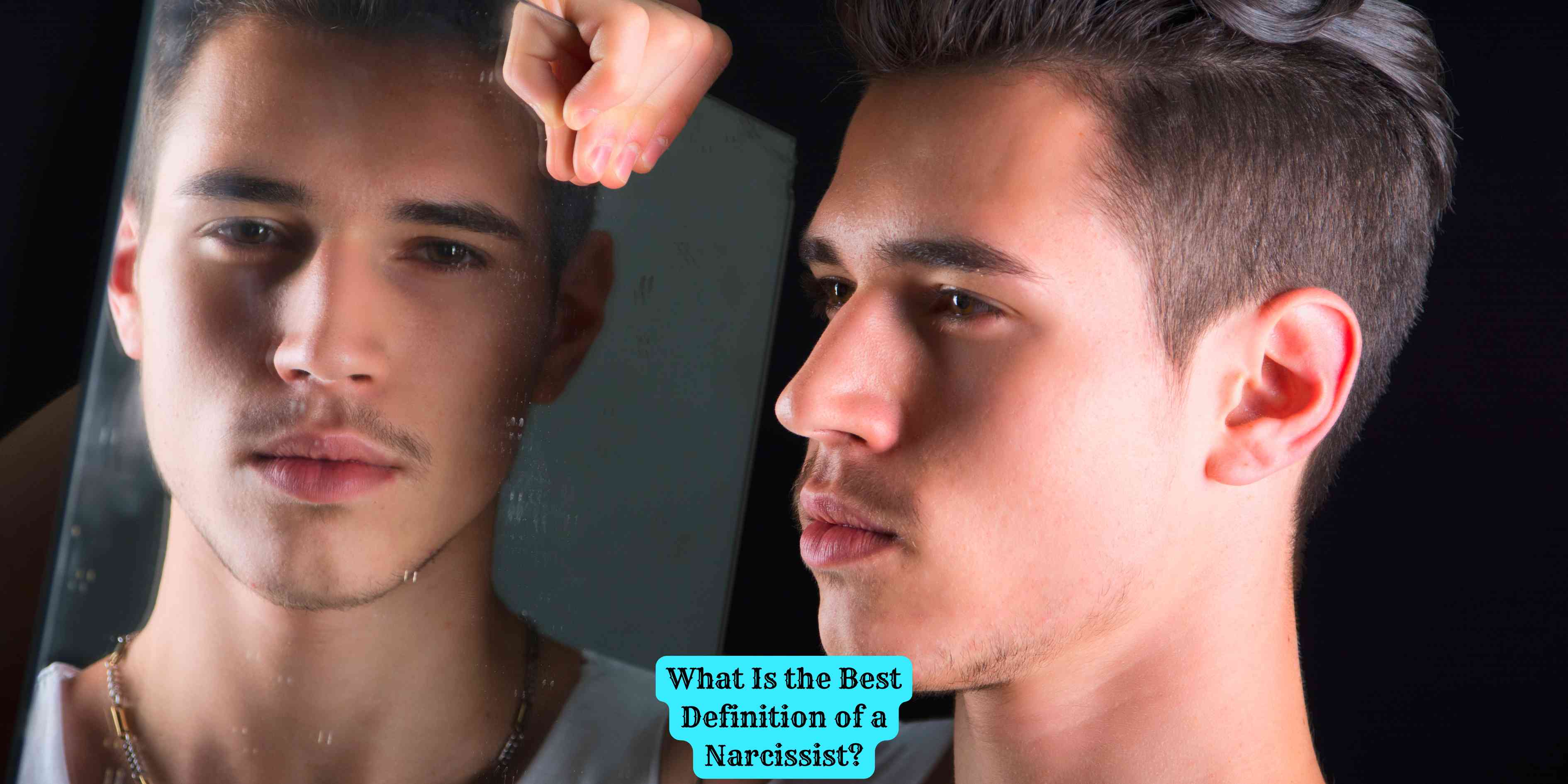
The Best Definition
The best definition of a narcissist is this: a narcissist is a person who shows a persistent pattern of excessive self-importance, need for admiration, entitlement, and limited empathy for others.
In everyday speech, people often use “narcissist” to describe someone who is self-centered. In mental health, narcissistic personality disorder is more specific. The American Psychiatric Association describes narcissistic personality disorder as involving a pervasive pattern of grandiosity, need for admiration, and lack of empathy.
Not every selfish moment makes someone a narcissist; the concern is a repeated pattern that harms relationships and functioning.
Narcissistic Traits vs. Narcissistic Personality Disorder
Many people show narcissistic traits sometimes. A person may brag, want attention, struggle with criticism, or act selfishly in a particular situation. That does not automatically mean they have a personality disorder.
Narcissistic personality disorder is a clinical diagnosis. It involves long-term patterns that affect relationships, work, self-image, and emotional regulation. Diagnosis should be made by qualified mental health professionals, not by casual labeling.
This distinction matters because the word “narcissist” can become an insult if used carelessly.
Common Features
Common narcissistic features may include:
- Exaggerated self-importance.
- Strong need for admiration.
- Sense of entitlement.
- Difficulty recognizing other people’s feelings.
- Expecting special treatment.
- Using others for personal gain.
- Envy of others or belief that others envy them.
- Arrogant or dismissive behavior.
MedlinePlus describes narcissistic personality disorder as involving lack of empathy, desire for admiration, and belief in being better than others. Mayo Clinic also notes fragile self-esteem beneath outward confidence in many cases.
Why Empathy Matters
Empathy is the ability to recognize and care about another person’s experience. A narcissistic pattern often includes difficulty with empathy, especially when another person’s needs conflict with the narcissistic person’s desire for attention, control, or admiration.
This can make relationships feel one-sided. The other person may feel unheard, blamed, used, or emotionally drained.
Lack of empathy does not always look cold. Sometimes it appears as charm when admiration is available, followed by dismissal when attention shifts away.
Grandiosity and Fragile Self-Esteem
Grandiosity means an inflated sense of importance or superiority. A narcissistic person may believe they deserve special recognition, exceptional treatment, or admiration even when it is not earned.
At the same time, narcissistic patterns can involve fragile self-esteem. Criticism, rejection, or embarrassment may trigger anger, defensiveness, withdrawal, or blame.
This mix can confuse people. Someone may seem extremely confident but react intensely to small challenges.
Narcissist vs. Confident Person
Confidence and narcissism are not the same. A confident person can value themselves while respecting others. A narcissistic pattern often requires superiority over others.
| Confident person | Narcissistic pattern |
|---|---|
| Accepts feedback | Reacts strongly to criticism |
| Respects boundaries | Feels entitled to exceptions |
| Celebrates others | Competes for admiration |
| Has self-worth | Needs constant validation |
Healthy confidence leaves room for humility. Narcissism often struggles with humility because it feels like a threat.
Why the Label Can Be Harmful
Calling someone a narcissist can feel satisfying when you are hurt, but it may oversimplify the situation. Some behaviors may come from immaturity, insecurity, stress, trauma, addiction, poor communication, or other mental health issues.
That does not mean harmful behavior should be excused. It means the label should not replace careful thinking.
Quick question: can you set boundaries without diagnosing someone?
Yes. You do not need to diagnose a person to say, “This behavior hurts me,” or “I need distance from this pattern.”
What to Do If You Are Dealing With Narcissistic Behavior
Focus on behavior, boundaries, and safety. Notice repeated patterns rather than isolated moments. Keep records if the situation involves manipulation, threats, finances, custody, or workplace conflict.
Helpful steps may include:
- Naming specific behaviors.
- Setting clear limits.
- Avoiding endless arguments about motives.
- Seeking support from trusted people.
- Talking with a therapist if the relationship affects your mental health.
If there is abuse, coercive control, stalking, or threats, prioritize safety and seek professional support.
A Strong Student-Friendly Definition
For schoolwork or general understanding, you can write: A narcissist is someone who consistently shows excessive self-importance, seeks admiration, feels entitled, and has difficulty empathizing with others.
That definition is careful because it explains the pattern without turning the word into a casual insult. It also leaves room for the clinical distinction between narcissistic traits and narcissistic personality disorder.