

What Does It Mean to Be a Refugee and Why Would They Leave Their Home Country?
A refugee is someone forced to cross a border because returning home would risk their safety or freedom.
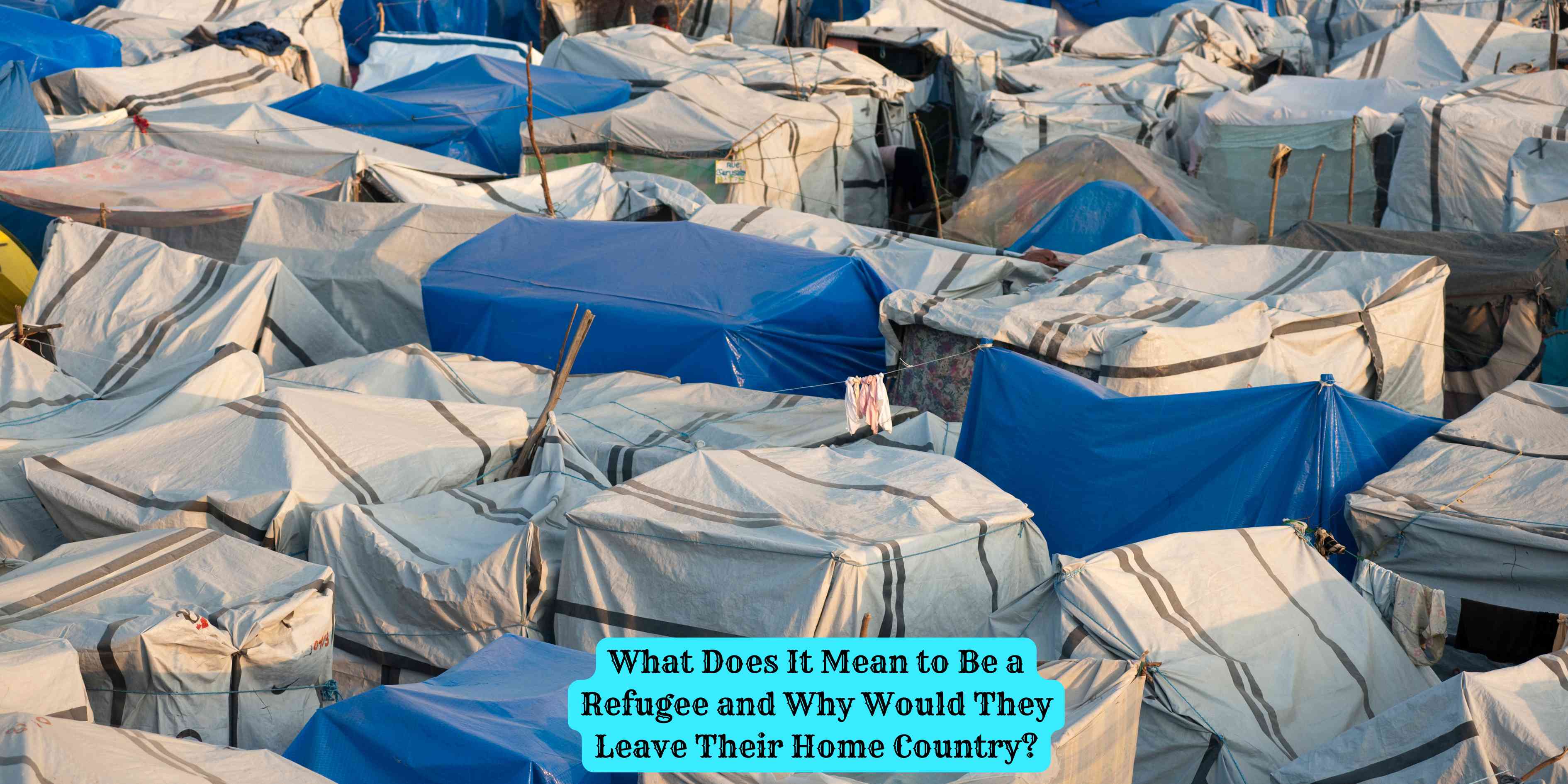
The Short Answer
To be a refugee means a person has fled their country and crossed an international border because they cannot safely return home. People may become refugees because of war, persecution, violence, political repression, religious discrimination, ethnic conflict, or threats to their life or freedom.
UNHCR describes refugees as people who have fled their countries to escape conflict, violence, or persecution and have sought safety elsewhere. A refugee leaves not simply for comfort, but because staying or returning may be dangerous.
Refugee vs. Migrant
The word refugee has a specific meaning in international law. A refugee is outside their country and needs protection because returning home would be unsafe.
A migrant may move for many reasons, including work, education, family, or better opportunities. Migrants may face hardship, but not all migrants meet the legal definition of refugee.
The difference matters because refugees have specific protections under international agreements.
An asylum seeker is related but not identical. An asylum seeker has asked another country for protection and is waiting for that claim to be decided. A person may be an asylum seeker before being legally recognized as a refugee.
Persecution
Persecution means serious mistreatment or threats because of identity, beliefs, or membership in a group. A person may be targeted because of race, religion, nationality, political opinion, or membership in a particular social group.
For example, someone may flee because they are punished for criticizing the government, practicing a religion, belonging to an ethnic minority, or being part of a targeted community.
Persecution is one of the central reasons people become refugees.
War and Violence
War can destroy homes, schools, hospitals, jobs, and basic safety. People may flee because bombs, armed groups, forced recruitment, or street violence make normal life impossible.
Even if a person is not personally targeted, widespread conflict can make survival unsafe.
Children, older adults, and people with medical needs are especially vulnerable during war.
Political and Religious Danger
Some refugees leave because they cannot speak, vote, worship, organize, or live freely without punishment. Governments or armed groups may threaten people who disagree with them.
Religious minorities may face violence, imprisonment, or discrimination. Political opponents may face arrest, torture, or disappearance.
In these cases, leaving may be the only way to stay alive.
Environmental and Economic Pressures
Environmental disasters and poverty can force people to move, but they do not always create refugee status by themselves under the traditional legal definition.
However, environmental stress, food insecurity, and economic collapse can interact with conflict and persecution. A drought may worsen instability. A disaster may make an already dangerous area impossible to survive in.
| Reason for Flight | Example |
|---|---|
| War | Fighting destroys neighborhoods |
| Persecution | A group is targeted for identity |
| Political danger | Dissidents are imprisoned |
| Religious danger | Worshippers are attacked |
What Refugees Need
Refugees often need safety, shelter, food, healthcare, education, legal protection, and a path to rebuild life. Many also need help recovering from trauma and separation from family.
Some refugees return home when it becomes safe. Others integrate into the country where they found safety or are resettled in a third country.
The process can take years.
Refugees may also need documents, language support, employment help, and school access for children. Rebuilding life is not only about crossing a border; it is about restoring stability after losing home, community, and normal routines.
Why Understanding Matters
Understanding refugees helps people discuss immigration and humanitarian issues more carefully. Refugees are not just statistics. They are people who lost safety, home, routine, and often loved ones.
Clear definitions also prevent confusion between refugees, asylum seekers, internally displaced people, and other migrants.
The Main Takeaway
Being a refugee means being forced to leave one’s country because returning would be unsafe. People leave because of persecution, war, violence, political danger, religious threats, or other serious risks.
The heart of the issue is protection. Refugees seek what every person needs: safety, dignity, and the chance to live without fear.