

What Do Teaching and Nursing Have in Common?
Teaching and nursing both center on service, communication, trust, assessment, patience, ethics, teamwork, and helping people grow through vulnerable moments.
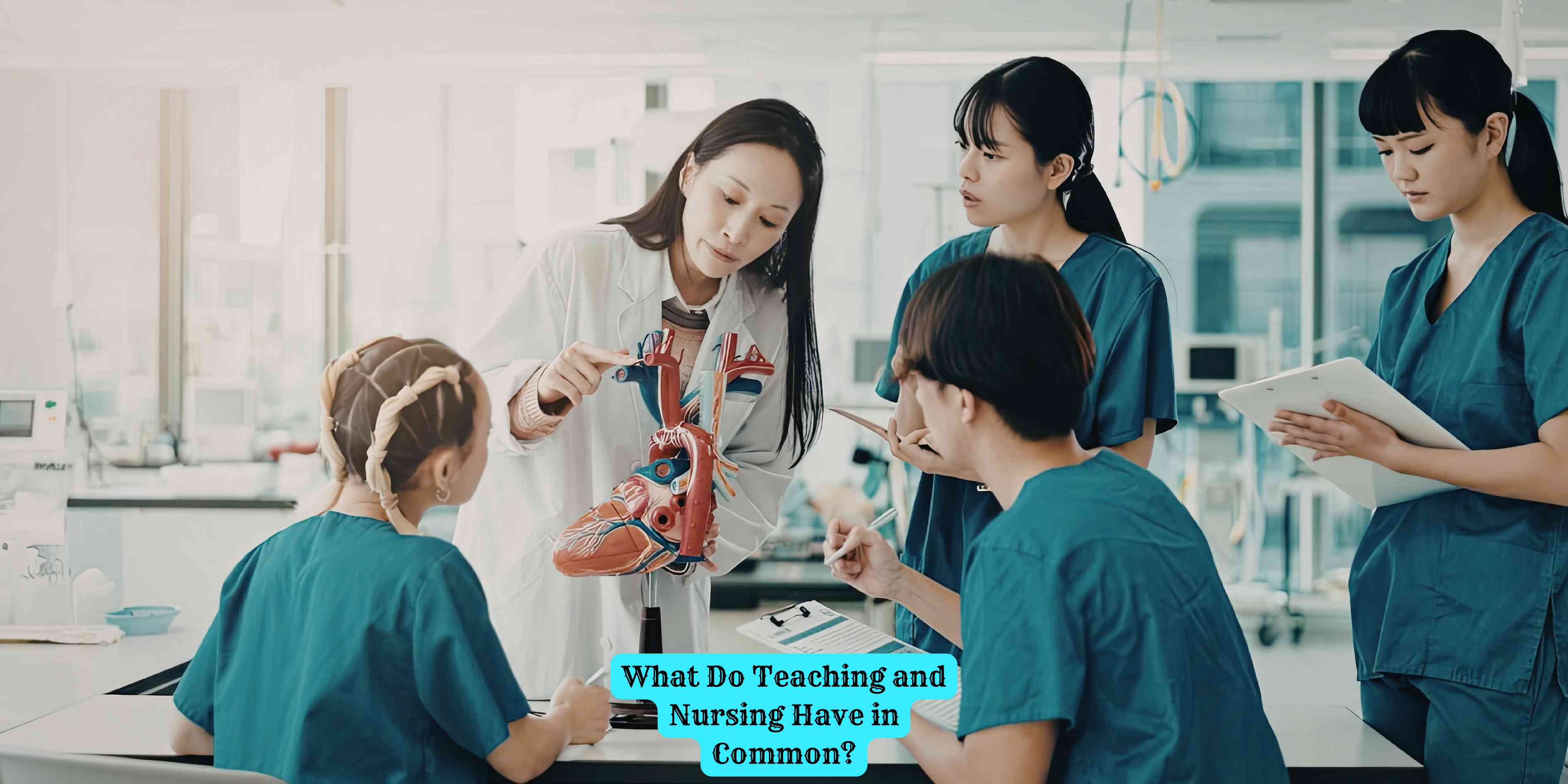
Teaching and nursing may seem like different careers, but they have a lot in common. Teachers help students learn, grow, and build confidence. Nurses help patients understand care, recover, manage health, and feel supported during vulnerable moments.
Both professions require knowledge, patience, communication, emotional intelligence, ethics, and a real concern for people. They are also both service professions where the work is often meaningful, demanding, and deeply human.
Teaching and nursing are alike because both professions use knowledge and compassion to guide people through moments when they need support, clarity, and trust.
The settings are different, but the heart of the work is surprisingly similar.
The Short Answer
Teaching and nursing have these major things in common:
- Both serve people directly
- Both require clear communication
- Both involve assessment and response
- Both need patience and empathy
- Both involve ethical responsibility
- Both require teamwork
- Both depend on lifelong learning
A teacher may assess learning needs, while a nurse assesses health needs. A teacher explains a lesson, while a nurse explains medication or care instructions. A teacher builds classroom trust, while a nurse builds patient trust.
In both roles, technical skill matters, but human skill matters just as much.
Both Are Service Professions
Teaching and nursing are both built around service. The main goal is not simply completing tasks; it is helping another person.
Teachers serve students by creating learning opportunities, explaining ideas, guiding behavior, and supporting development. Nurses serve patients by monitoring health, giving care, educating families, and advocating for safety.
Both jobs require attention to people as individuals. A teacher cannot treat every student as the same learner. A nurse cannot treat every patient as only a diagnosis.
Service also means showing up consistently. Students and patients both notice whether the professional is present, respectful, and dependable.
This is one reason both careers can feel rewarding and exhausting. Caring work takes energy.
Communication Is Central
Teachers and nurses both need excellent communication skills. They must explain complex information in ways people can understand.
A teacher may break down fractions, grammar, history, or science. A nurse may explain symptoms, medications, discharge instructions, wound care, or test results.
Good communication includes listening. Teachers listen for confusion, frustration, curiosity, and misunderstanding. Nurses listen for pain, fear, symptoms, and family concerns.
Tone also matters. A calm voice can help a student feel less embarrassed or a patient feel less afraid.
Communication is not just talking. It includes body language, written instructions, documentation, questioning, and checking whether the other person understood.
Both Assess Needs
Assessment is part of both professions. Teachers assess what students know, what they misunderstand, and what support they need next. Nurses assess symptoms, vital signs, risks, comfort, and changes in condition.
In both fields, assessment guides action. A teacher may reteach, group students, change examples, or give more practice. A nurse may notify a provider, adjust care within scope, monitor closely, or educate the patient.
Good assessment requires observation. Teachers notice facial expressions, participation, assignments, and behavior. Nurses notice breathing, skin color, pain, confusion, mobility, and other clues.
The better the assessment, the better the response.
For more on school assessment, read types of assessment in education.
Patience and Empathy Matter
Teaching and nursing both require patience because progress is not always quick. Students may need repeated explanations. Patients may need repeated reassurance, instructions, or support.
Empathy matters because both students and patients can feel vulnerable. A student may feel ashamed for not understanding. A patient may feel afraid, embarrassed, or powerless.
A teacher who lacks empathy may make learning feel unsafe. A nurse who lacks empathy may make care feel cold.
Empathy does not mean lowering standards or ignoring responsibility. It means seeing the person behind the behavior, diagnosis, mistake, or struggle.
That human awareness is one reason people remember good teachers and good nurses for years.
Both Carry Ethical Responsibility
Teachers and nurses both hold positions of trust. They work with people who may depend on their knowledge, fairness, and judgment.
Teachers must protect students, respect confidentiality, grade fairly, avoid favoritism, and create safe learning environments. Nurses must protect patient privacy, follow standards of care, advocate for safety, and act within professional boundaries.
Both professions require integrity. A shortcut, careless comment, or ignored warning sign can harm someone.
Ethics also includes respect. Students and patients deserve dignity, even when they are upset, confused, or difficult.
For a broader explanation of character and responsibility, read what it means to have integrity.
Teamwork Is Essential
Neither teachers nor nurses work alone. Teachers collaborate with other teachers, counselors, administrators, families, specialists, and support staff. Nurses collaborate with physicians, therapists, aides, pharmacists, social workers, patients, and families.
Teamwork helps prevent mistakes. It also helps people receive more complete support.
For example, a teacher may notice a student struggling emotionally and involve a counselor. A nurse may notice a patient needs home support and involve a social worker.
Both professions also require strong documentation. Notes, plans, records, and communication help the team understand what has happened and what should happen next.
Good teamwork is not about ego. It is about coordinated care or coordinated learning.
Both Require Lifelong Learning
Teaching and nursing both change over time. New research, technology, standards, policies, and student or patient needs keep evolving.
Teachers continue learning about curriculum, classroom management, assessment, technology, child development, and inclusion. Nurses continue learning about medications, procedures, evidence-based practice, patient safety, and health conditions.
Lifelong learning keeps both professions effective. It also keeps professionals humble. No teacher or nurse knows everything.
This is why professional development matters. People who serve others need support and growth too.
Final Thoughts
Teaching and nursing have a lot in common because both are knowledge-based care professions. They require communication, patience, assessment, ethics, teamwork, and compassion.
Teachers help minds grow. Nurses help bodies and lives heal. Both roles remind us that professional skill is strongest when joined with human care.