

What Are the Four Parts of a SWOT Analysis?
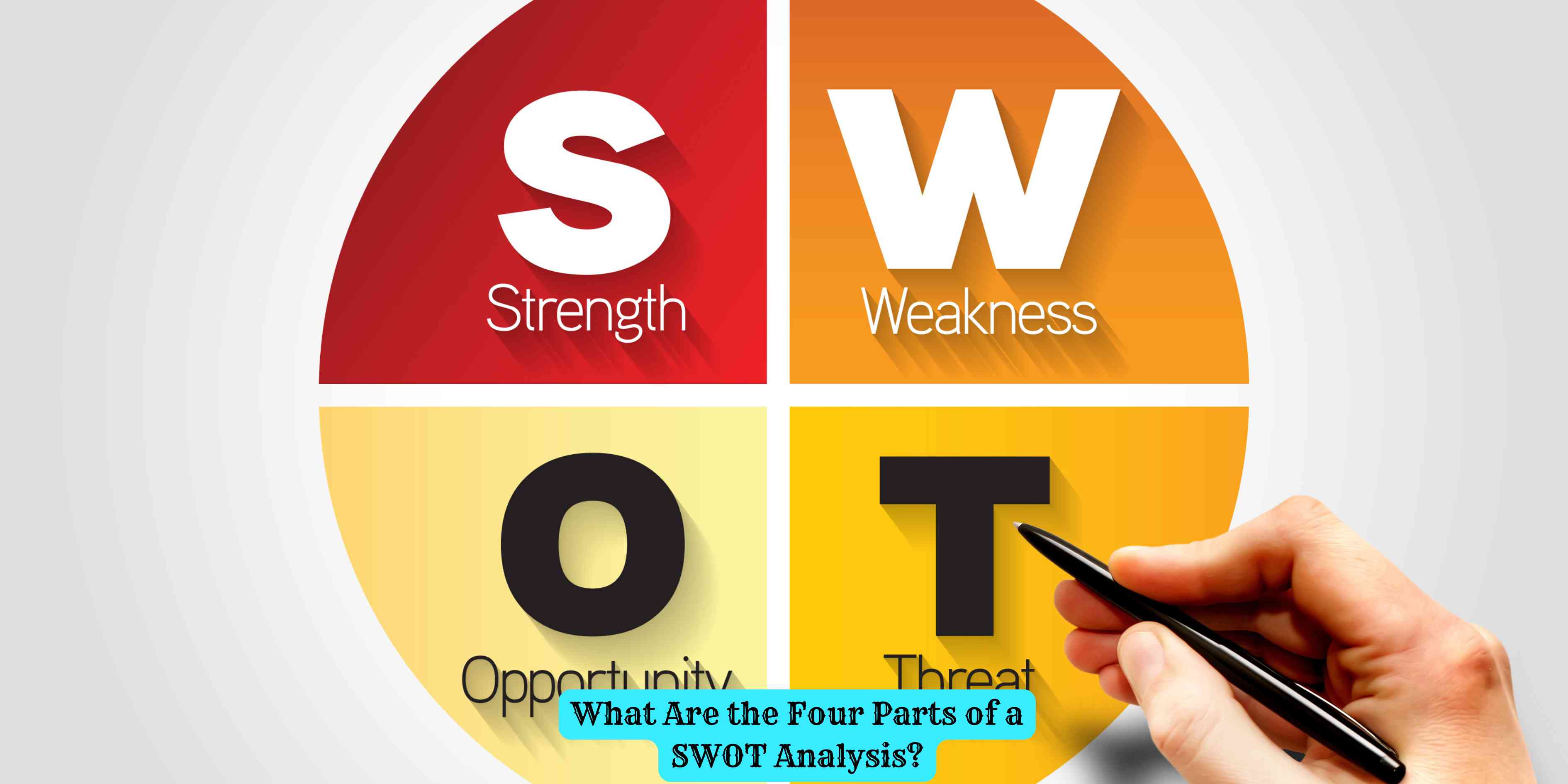
The four parts of a SWOT analysis are strengths, weaknesses, opportunities, and threats.
The Short Answer
The four parts of a SWOT analysis are strengths, weaknesses, opportunities, and threats. These four categories help a person, business, team, or organization understand where it stands and what it should do next.
Strengths and weaknesses are usually internal. They describe what is happening inside the organization or project. Opportunities and threats are usually external. They describe conditions outside the organization that could help or hurt it.
SWOT works best when it leads to decisions, not just a list of observations.
Strengths
Strengths are the internal advantages that help a business, project, or person succeed. They are things you already do well or resources you already have.
Examples of strengths include:
- A skilled team.
- Strong customer loyalty.
- A trusted brand.
- Good location.
- Efficient processes.
- Unique technology.
- Strong cash flow.
- High-quality service.
The key question is: what gives you an advantage compared with alternatives?
Weaknesses
Weaknesses are internal limitations that make success harder. They are areas where performance, resources, skills, systems, or reputation need improvement.
Examples of weaknesses include limited funding, poor communication, outdated equipment, weak marketing, high employee turnover, slow delivery, or lack of experience.
Weaknesses are not listed to assign blame. They are listed so the organization can improve. A SWOT analysis is more useful when people are honest about what is not working.
Opportunities
Opportunities are external conditions that could help growth or improvement. They come from the market, community, technology, law, culture, customer needs, or competitor behavior.
Examples include a growing customer base, new technology, a competitor leaving the market, a new partnership, a grant program, a trend that supports the product, or a change in customer habits.
The key question is: what outside conditions could help us move forward if we act wisely?
Threats
Threats are external conditions that could cause problems. They may come from competitors, economic changes, new regulations, supply shortages, cybersecurity risks, changing customer preferences, or negative publicity.
Threats are not always immediate emergencies. Some are warning signs that require planning.
A useful SWOT analysis identifies threats early enough that the organization can reduce risk instead of simply reacting later.
Internal vs External Factors
One of the easiest ways to understand SWOT is to separate internal and external factors.
| SWOT part | Type | Basic question |
|---|---|---|
| Strengths | Internal | What do we do well? |
| Weaknesses | Internal | What needs improvement? |
| Opportunities | External | What could help us grow? |
| Threats | External | What could harm us? |
This distinction keeps the analysis organized and prevents confusion.
Example of a Simple SWOT
Imagine a small tutoring business.
Its strengths might include experienced tutors, flexible scheduling, and strong parent reviews. Its weaknesses might include limited advertising and no online booking system.
Its opportunities might include rising demand for test preparation and partnerships with local schools. Its threats might include larger tutoring companies, economic pressure on families, or changes in school testing policies.
From that SWOT, the business might decide to improve online booking, promote testimonials, and create affordable group sessions.
Why SWOT Is Useful
SWOT is useful because it turns scattered information into a structured picture. It helps people compare what they can control with what they must respond to.
It can support business planning, career planning, project management, nonprofit strategy, school assignments, and personal goal setting.
The process also encourages discussion. Different team members may see different strengths, weaknesses, opportunities, and threats.
Common Mistakes
A common mistake is making each category too broad. For example, “competition” is less useful than “two nearby competitors offer lower monthly prices.”
Another mistake is treating SWOT as the final answer. SWOT should lead to strategy. After listing the four parts, you should ask what actions follow.
Other mistakes include ignoring evidence, listing too many items, avoiding uncomfortable weaknesses, and failing to prioritize the most important factors.
How to Use the Results
After completing a SWOT analysis, connect the categories:
- Use strengths to take advantage of opportunities.
- Use strengths to reduce threats.
- Improve weaknesses that block important opportunities.
- Reduce weaknesses that make threats more dangerous.
This step turns the analysis into a plan. For example, if a business has strong customer loyalty and an opportunity to expand online, it might launch a referral program.
Bottom line:
The four parts of a SWOT analysis are strengths, weaknesses, opportunities, and threats. Strengths and weaknesses are internal; opportunities and threats are external.
SWOT is most valuable when it helps people make better choices, set priorities, reduce risk, and take action.