

Ways You Can Get Pregnant by Accident
Accidental pregnancy usually happens when sperm reaches the vagina and contraception is absent, missed, or fails.
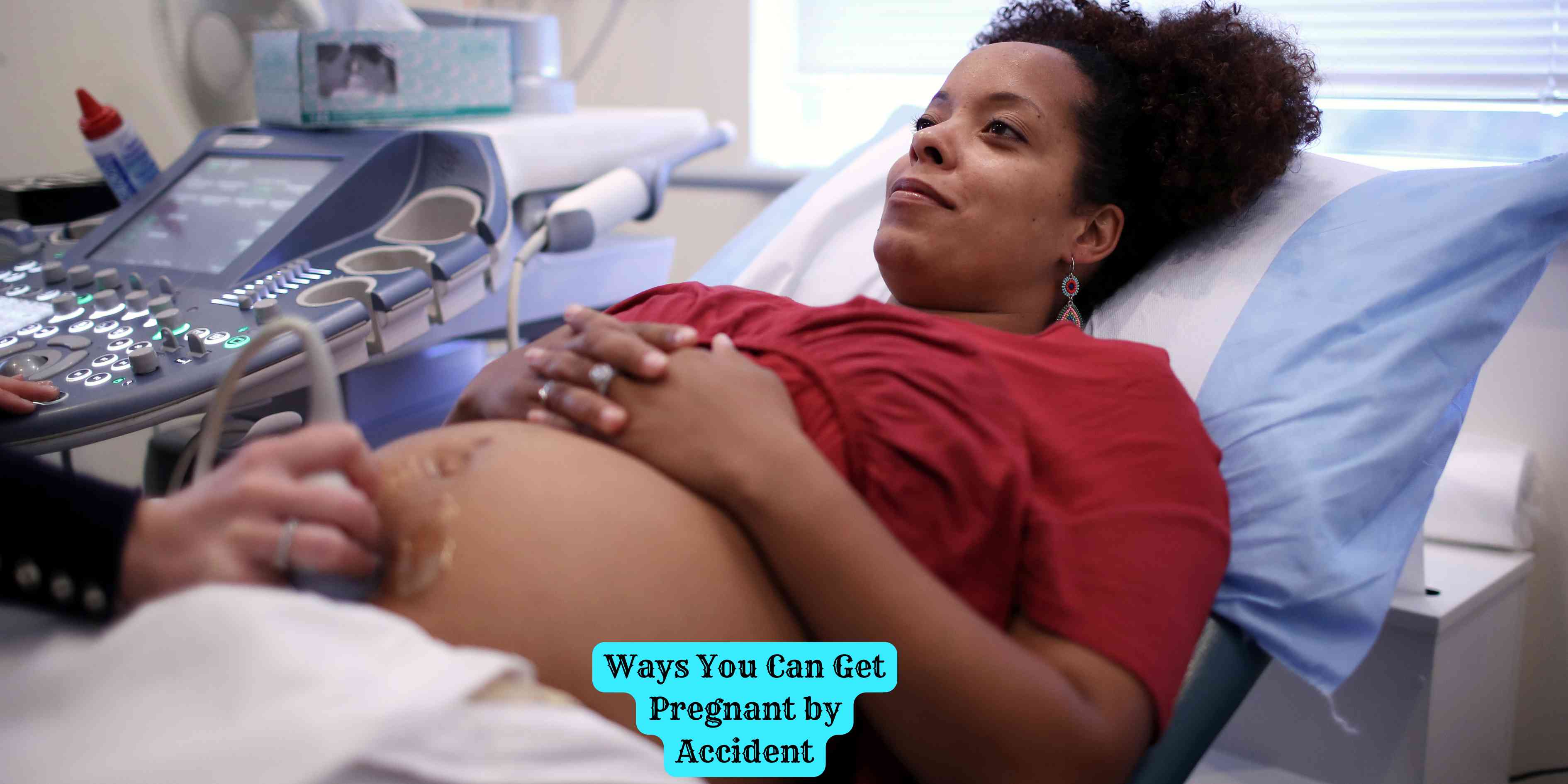
You can get pregnant by accident when sperm reaches the vagina and an egg is available for fertilization, especially if no contraception is used, birth control is used incorrectly, a condom breaks, pills are missed, timing is misjudged, or emergency contraception is not used after unprotected sex. Accidental pregnancy can also happen because fertility timing is not always easy to predict.
This article is for education and prevention, not personal medical diagnosis. If pregnancy is possible and you do not want to be pregnant, the safest step is to use reliable contraception consistently and speak with a qualified health professional about your options.
Having Sex Without Contraception
The clearest way accidental pregnancy can happen is vaginal sex without contraception. Without birth control, sperm may reach an egg during the fertile window.
The CDC notes that unintended pregnancy includes pregnancies that are mistimed or unwanted. Consistent contraceptive use is one of the main ways to reduce that risk.
Condom Breaks or Slips
Condoms can reduce the risk of pregnancy and sexually transmitted infections, but they must be used correctly from start to finish. Pregnancy risk increases if a condom breaks, slips off, is put on late, is removed too early, or is damaged.
Using the right size, checking expiration dates, storing condoms properly, and using compatible lubricant can reduce failure risk.
Missing Birth Control Pills
Birth control pills work best when taken correctly. Missing pills, taking them late, starting a pack late, vomiting soon after taking a pill, or using certain medications that interfere with effectiveness can increase pregnancy risk.
Anyone using pills should follow the instructions for missed doses and ask a health professional or pharmacist if they are unsure what to do.
Not Replacing Birth Control on Time
Some methods require timing. Shots, patches, rings, implants, and IUDs have schedules or replacement dates. Pregnancy risk can rise if a person misses an injection, leaves a ring out too long, delays patch changes, or keeps a method beyond its effective period.
Calendar reminders and follow-up appointments can help prevent gaps.
Relying Only on Withdrawal
Withdrawal, sometimes called the pull-out method, is less reliable than many other contraceptive methods. It requires timing and self-control, and sperm may be present before ejaculation.
People who strongly want to avoid pregnancy should consider more reliable methods or combine methods, such as condoms plus hormonal contraception.
Misjudging the Fertile Window
Pregnancy is most likely around ovulation, but cycles vary. Stress, illness, travel, postpartum changes, and irregular periods can make timing harder to predict.
Fertility awareness methods require careful tracking and consistent rules. Guessing based on calendar dates alone can lead to mistakes.
Thinking Period Sex Is Always Safe
Pregnancy during period sex is less likely for many people, but it is not impossible. Sperm can survive in the reproductive tract for several days, and some people ovulate earlier than expected.
If avoiding pregnancy is important, contraception is still needed even during menstruation.
Delaying Emergency Contraception
Emergency contraception can reduce pregnancy risk after unprotected sex or contraceptive failure, but timing matters. Some options work best as soon as possible and may have specific time windows.
A pharmacist, clinic, or health professional can explain which option fits the situation. Emergency contraception is not intended as a regular birth control method, but it can help after a mistake or failure.
Assuming Breastfeeding Fully Prevents Pregnancy
Breastfeeding can reduce fertility under specific conditions, but it is not always reliable. Pregnancy can happen before the first postpartum period because ovulation may occur first.
Postpartum contraception planning is important for anyone who wants to avoid another pregnancy soon after birth.
Prevention works best with a plan.
Accidental pregnancy is less likely when contraception is chosen carefully, used consistently, and backed up when mistakes happen. Condoms are also important because they help reduce STI risk.
If you think pregnancy may have occurred, take a pregnancy test at the appropriate time and seek medical guidance. Clear information is better than guessing.