

How Prioritization Helps You Reach Long-Term Goals
Prioritization helps you reach long-term goals because it directs your time and energy toward the actions that matter most.
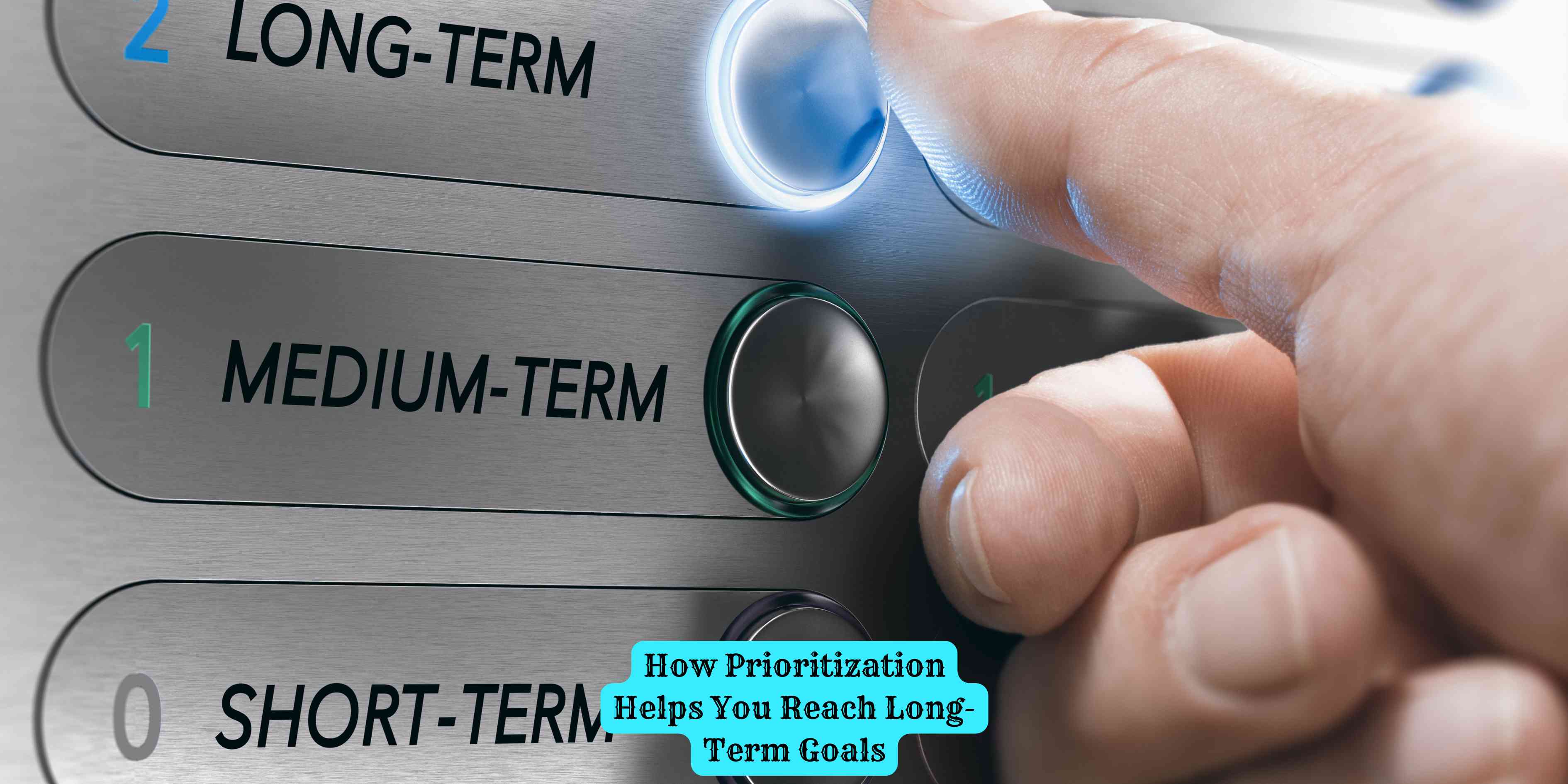
The Short Answer
Prioritization helps you reach long-term goals because it helps you decide what matters most and focus your time, energy, and resources on those actions first. Long-term goals usually require repeated effort over weeks, months, or years.
Without prioritization, urgent tasks, distractions, and other people’s demands can push important goals aside. With prioritization, you protect the actions that move you closer to the future you want.
Prioritization connects today’s choices to tomorrow’s results.
Long-Term Goals Need Consistency
A long-term goal is not usually achieved in one dramatic moment. It is built through consistent action.
Examples include graduating, saving money, improving health, learning a skill, starting a business, building a career, or repairing a relationship. Each goal requires small steps repeated over time.
Prioritization helps because it tells you which small steps deserve attention today.
Prioritization Reduces Distractions
Modern life offers constant distractions. Messages, entertainment, chores, social pressure, and short-term comfort can easily consume time.
Prioritization does not mean ignoring everything else. It means recognizing which tasks are most connected to your main goal.
For example, if your long-term goal is to earn a scholarship, studying for a major exam may need priority over scrolling online or doing low-value busywork.
It Helps You Use Limited Time
Time is limited. Energy is limited too. Most people cannot do everything at once.
Prioritization helps you choose the best use of limited resources. Instead of asking “What could I do?” you ask “What should I do first?”
That question is powerful because many tasks feel useful, but only some create meaningful progress.
It Breaks Big Goals into Steps
Large goals can feel overwhelming. Prioritization makes them more manageable by breaking them into smaller steps.
For example, the goal “get into college” can become:
- Research colleges.
- Choose target schools.
- Improve grades.
- Prepare for exams.
- Request recommendations.
- Write application essays.
- Submit applications before deadlines.
Once the steps are clear, prioritization helps decide what comes first.
It Separates Urgent from Important
Urgent tasks demand immediate attention. Important tasks create meaningful progress. Sometimes a task is both urgent and important, but not always.
A ringing phone is urgent, but it may not be important. A project due next month may not feel urgent today, but it may be very important.
Prioritization helps you avoid giving all your attention to whatever is loudest. It helps you give attention to what matters most.
It Improves Decision-Making
Prioritization gives you a basis for saying yes or no. When you know your main goal, decisions become easier.
If an activity supports the goal, you may choose it. If it drains time without helping, you may reduce it or schedule it later.
This does not mean life becomes rigid. It means your choices become more intentional.
It Builds Motivation
Long-term goals can feel distant. Prioritization helps motivation by creating visible progress.
When you complete high-priority tasks, you can see that your effort is working. Small wins build confidence.
Progress also reduces anxiety. A goal feels less impossible when you know what the next useful step is.
It Helps Manage Trade-Offs
Every goal involves trade-offs. Choosing one thing often means giving up something else.
If you prioritize saving money, you may spend less on entertainment. If you prioritize fitness, you may wake up earlier. If you prioritize school, you may reduce some social activities during exams.
Prioritization helps you make these trade-offs consciously instead of accidentally.
How to Prioritize Better
A practical method is to list your tasks, identify the ones most connected to your long-term goal, and choose the top one to three actions for the day.
You can also ask:
- What action creates the most progress?
- What has a deadline?
- What depends on something else being done first?
- What will cause problems if ignored?
- What can be delayed, delegated, or removed?
The goal is not a perfect schedule. The goal is better direction.
Bottom line:
Prioritization helps you reach long-term goals because it focuses your attention on the actions that matter most. It reduces distractions, manages limited time, breaks big goals into steps, and keeps daily choices aligned with future success.
Long-term goals are reached by repeated decisions. Prioritization helps make those decisions count.