Blog

Person typing quickly on a keyboard illustrating words per minute typing speed

How Many Words Per Minute Is Good

The average person types around 40 words per minute. But what counts as 'good' depends heavily on what you're doing. Here are the benchmarks by age, profession, and use case — and how to actually improve your speed.

Coursepivot
Google Docs document open on a laptop with word count information visible

How to Check How Many Words You Have on Google Docs

Need to check your word count in Google Docs? There are four ways to do it — via the Tools menu, a keyboard shortcut, the live word count display, or by selecting specific text. Here is a complete walkthrough for desktop and mobile.

Coursepivot
Two children talking and learning about government and politics in a classroom

How to Explain Democrat vs Republican to a Child

Explaining Democrat vs Republican to a child is easier when you focus on the core values each party emphasises — fairness, freedom, government's role, and how to help people — without pushing a viewpoint either way.

Coursepivot
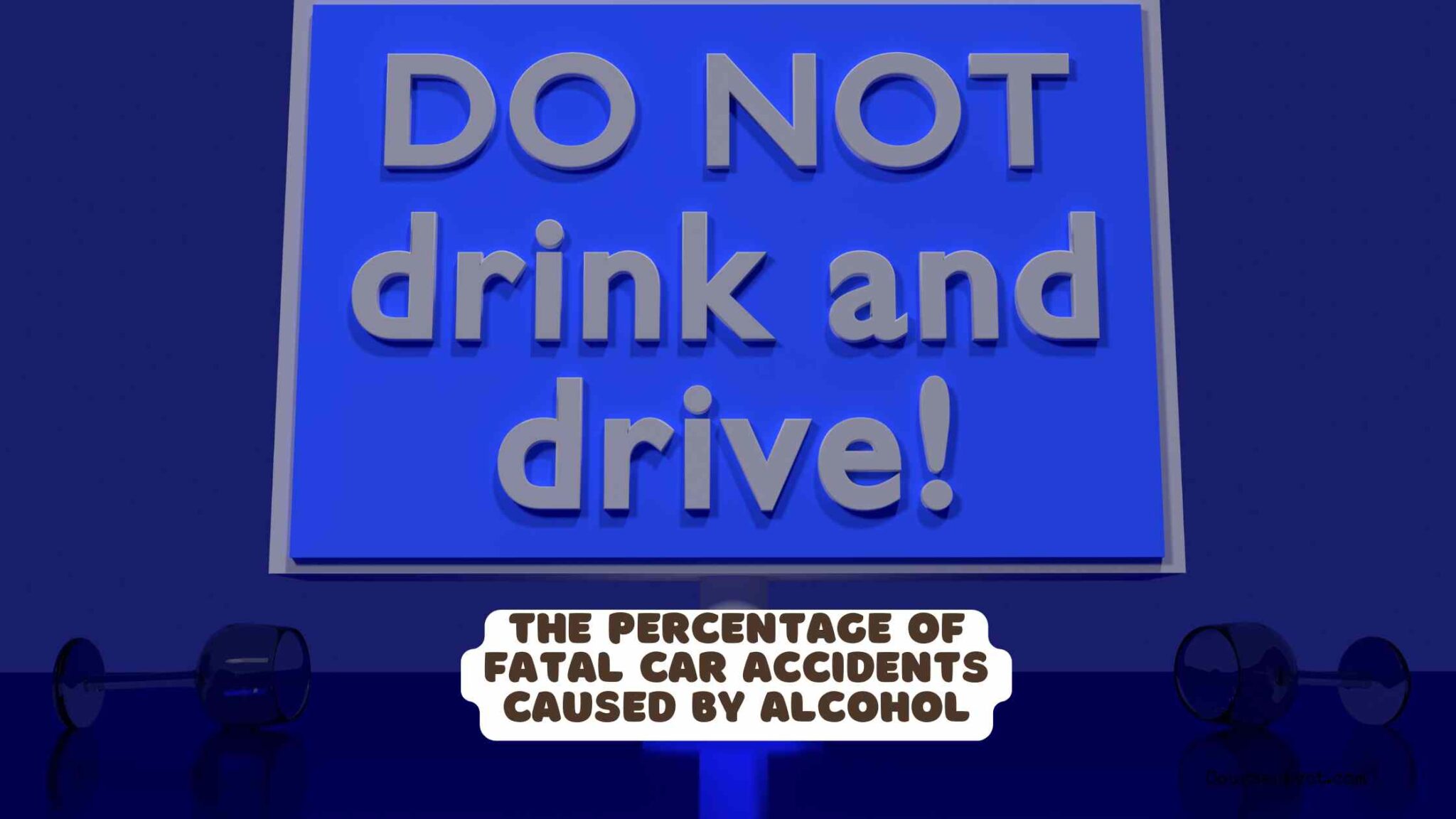
Person holding their strained muscle with a sports recovery background

How to Speed Up Muscle Strain Recovery

Muscle strains range from minor pulls to complete tears. The right recovery strategy in the first 48–72 hours makes a significant difference to total healing time. Here is what the evidence actually supports.
Coursepivot
Empty wine glass and car keys on a table representing drunk driving risk

The Percentage of Fatal Car Accidents Caused by Alcohol

Around one in three traffic deaths in the United States involves a drunk driver. Here is a full breakdown of the alcohol-impaired driving statistics — who, when, where, and what the evidence says about prevention.
Coursepivot
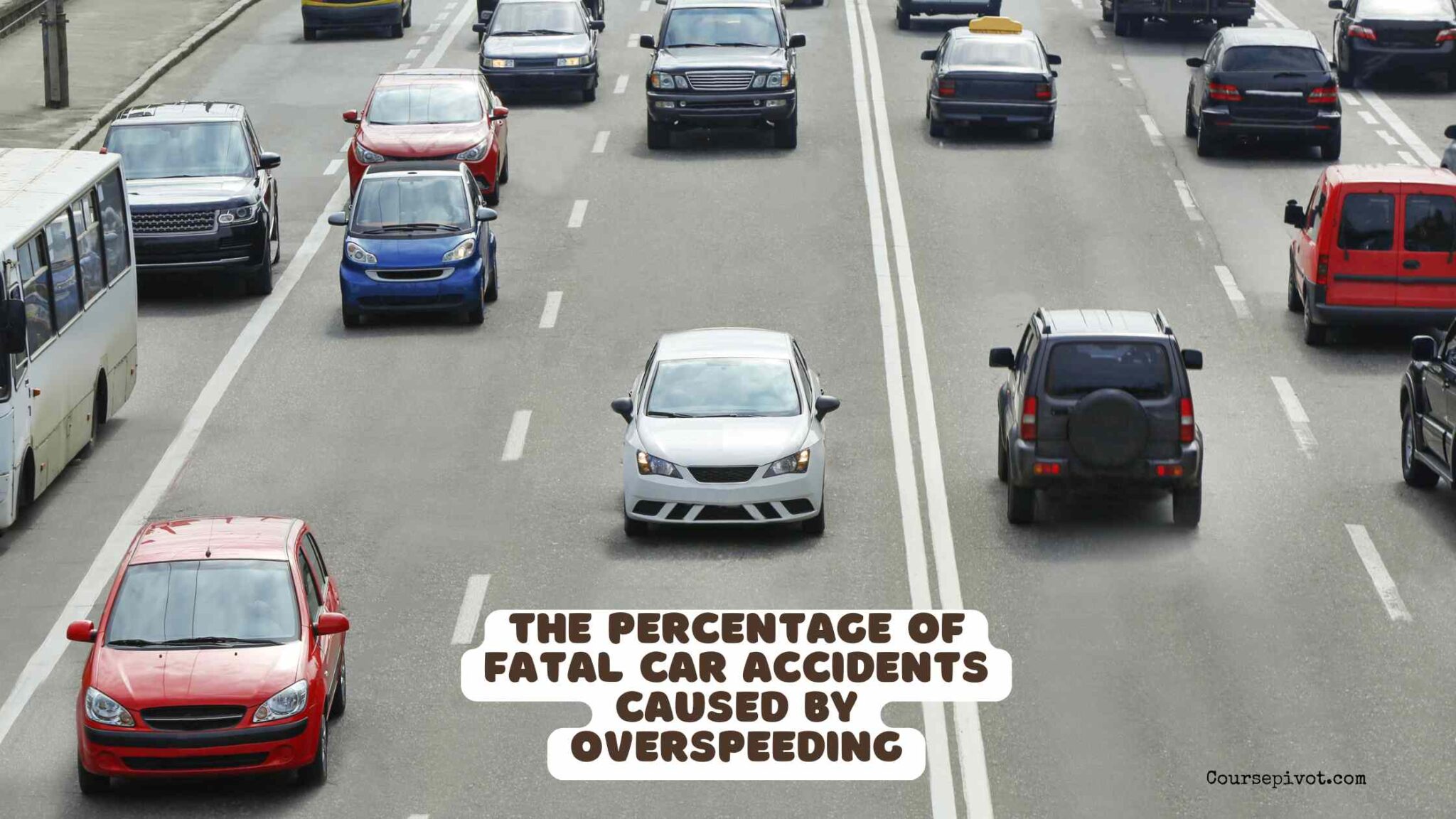
Speedometer showing high speed representing the danger of overspeeding on roads

The Percentage of Fatal Car Accidents Caused by Overspeeding

Speeding is involved in roughly 29% of all US traffic fatalities — about 12,000 deaths per year. Here is a full breakdown of who dies, where, why the physics are so unforgiving, and what evidence says about reducing the toll.
Coursepivot
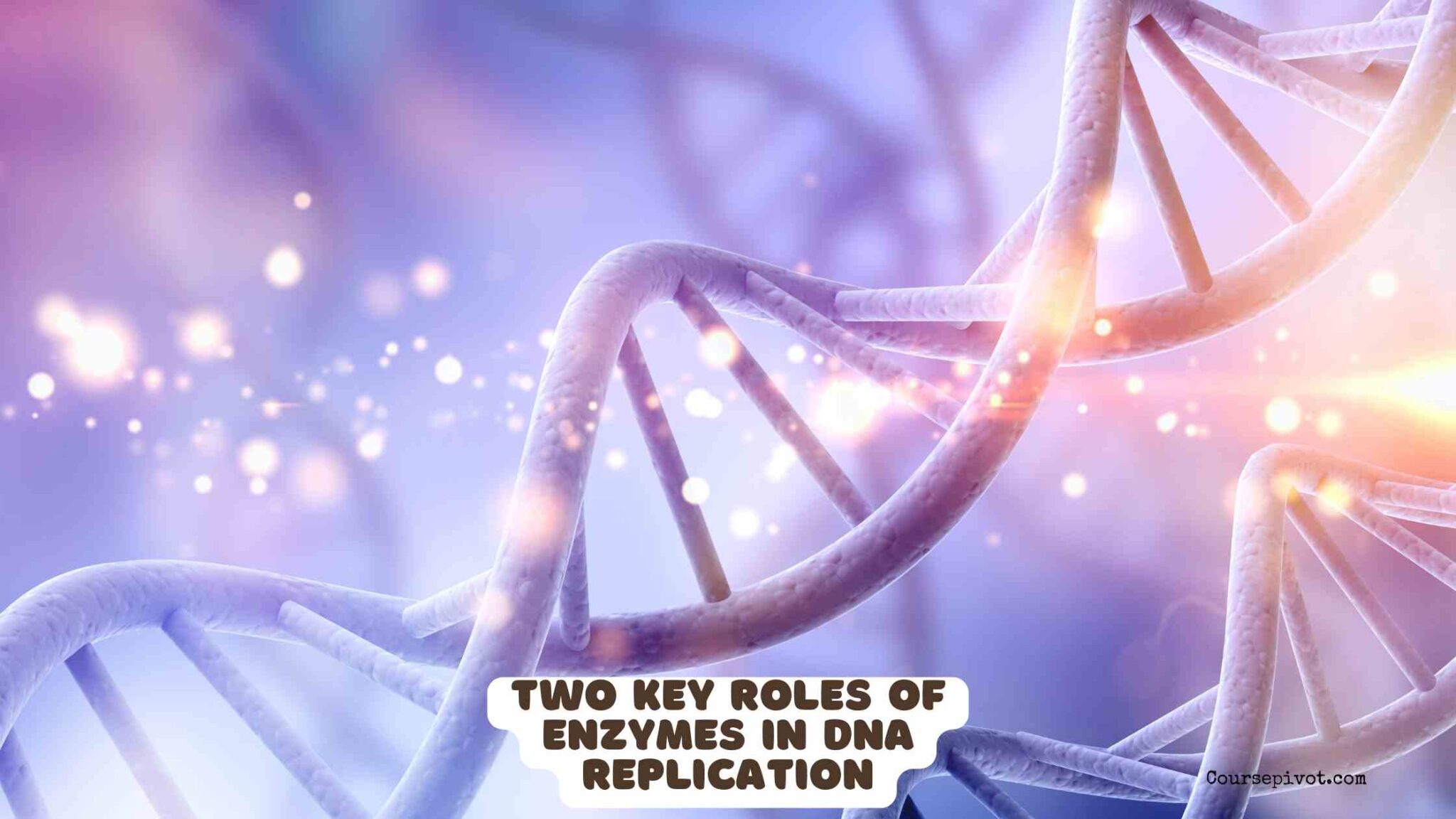
Diagram illustrating enzyme activity during DNA replication including helicase and DNA polymerase

Two Key Roles of Enzymes in DNA Replication

DNA replication cannot happen without enzymes. The two key roles — unwinding the double helix and synthesizing new DNA strands — are performed by distinct enzyme families working in precise coordination. Here is how each works and why both are essential.

Coursepivot

5 Common Reasons Why You're Bleeding After Sex

Course Pivot

5 Reasons to Cancel Your Netflix and Delete Account Permanently

Course Pivot