

Increasing Concern Over the Physical Fitness of Children and Adolescents
Children and adolescents in the US and globally are measurably less physically fit than previous generations. The concern is real, well-documented, and growing — and the consequences extend well beyond youth.
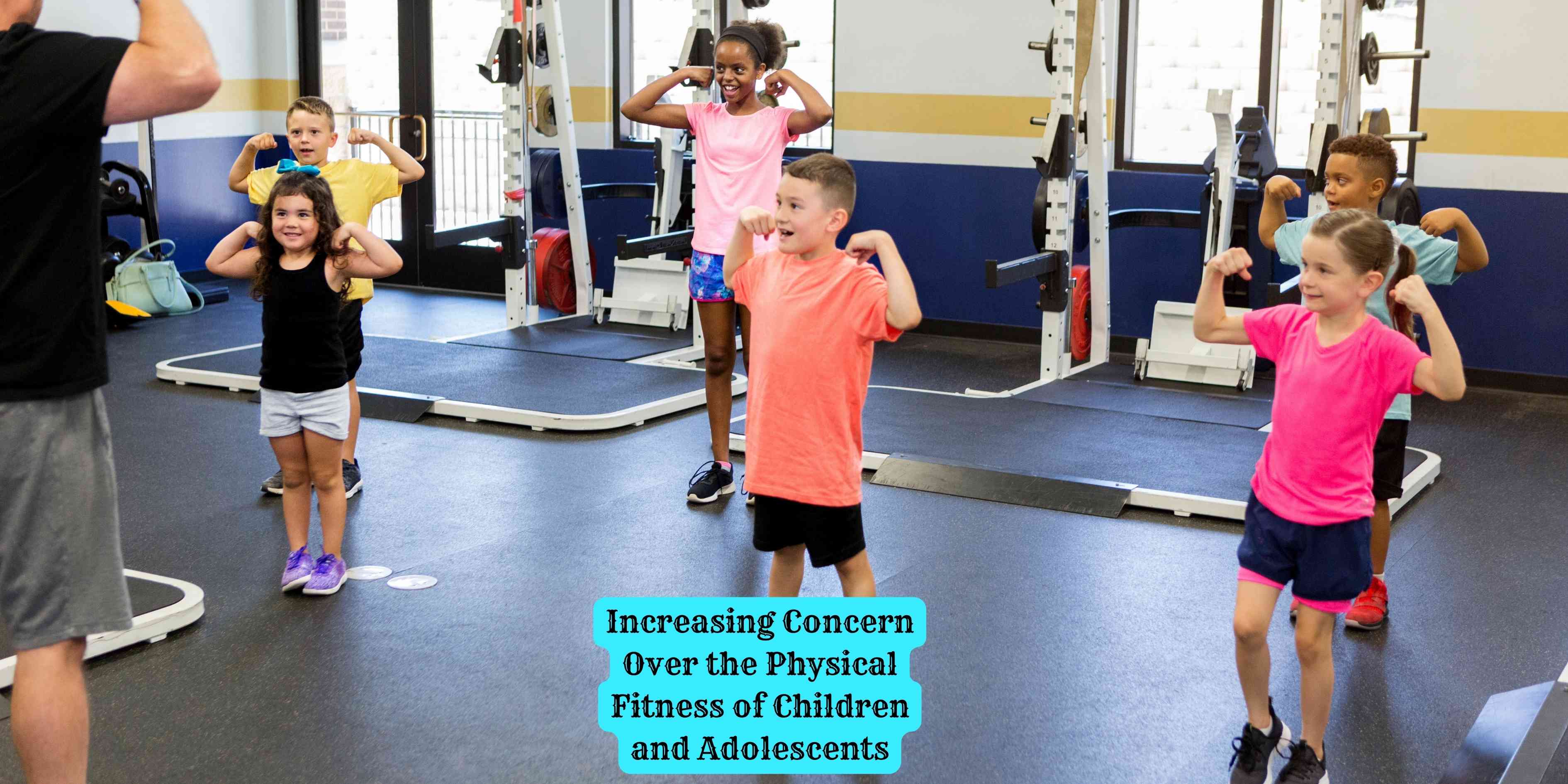
Physical fitness among children and adolescents has declined significantly over the past several decades, and the decline is documented across multiple countries, measurement methods, and demographic groups. The concern is not abstract — it involves measurable decreases in cardiovascular endurance, muscular strength, and basic movement competency compared to children of the same age measured 20 to 30 years ago. The consequences of reduced childhood fitness extend into adult health, healthcare costs, and national security preparedness, which is why this issue has drawn attention from public health researchers, pediatric organizations, and government agencies.
The American Heart Association has found that children’s cardiovascular fitness has declined by approximately 6 percent per decade since the 1970s — a cumulative decline that means today’s children are meaningfully less capable of sustained physical exertion than children of the same age a generation ago.
What the Data Shows
Standardized physical fitness tests administered to large populations of children over time provide the most direct evidence of the fitness decline. Studies published in major journals including the British Journal of Sports Medicine have analyzed data from over 25 million children in 28 countries between 1981 and 2000, finding consistent declines in cardiovascular fitness as measured by aerobic performance tests.
In the United States, the Presidential Fitness Test — administered in schools for decades — provided longitudinal data showing declining performance across multiple fitness categories. International comparisons find American children performing below the averages of children in many comparable high-income countries on measures of aerobic capacity, muscular endurance, and flexibility.
The military has raised this issue from a different angle: a significant and growing percentage of young adults of military service age fail to meet minimum physical fitness standards for enlistment. A report from military leaders concluded that poor physical fitness was one of the leading reasons young Americans are unfit for military service — a national security concern that has brought fitness policy into policy debates beyond public health.
The Causes of Declining Fitness
Sedentary screen time. The most frequently cited cause is the displacement of physical activity by sedentary behavior — specifically the time children spend on screens. This includes television, which has been a concern since the 1970s, and more recently smartphones, tablets, video games, and social media. Time spent on screens is time not spent in physically active play, sports, or other movement-based activities. The relationship between screen time and reduced physical activity is well-documented, even after accounting for other variables.
Reduced physical education in schools. Physical education has been systematically reduced in many American school districts, partly because of budget constraints and partly because of increased academic time pressure following educational accountability legislation. The CDC reports that only 29 percent of high school students meet recommended levels of daily physical activity, and many schools have reduced PE to frequencies well below what national health organizations recommend.
Reduced unstructured outdoor play. The shift away from unstructured outdoor play — children playing outside without adult supervision in open spaces — is a significant contributor to reduced daily physical activity. Factors include increased parental concern about outdoor safety, more time in structured activities, increased homework loads, and the built environment of many suburban and urban areas, which lacks accessible outdoor spaces that children can reach and use independently.
Diet and obesity. Physical inactivity and poor diet are contributing to rates of childhood obesity that compound the fitness problem. Obese children are less likely to participate in physical activity due to both physical limitations and social barriers, creating a feedback loop between inactivity and weight gain. The CDC reports that approximately 20 percent of American children aged 2 to 19 are obese — a rate that has roughly tripled since the 1970s.
The Consequences That Extend Beyond Childhood
The concern over childhood fitness is not only about children’s current health — it is about the long-term consequences of fitness patterns established in childhood. Aerobic capacity developed in youth correlates with cardiovascular health in adulthood. Physical activity habits established in childhood are predictive of adult activity levels. The fitness decline in children and adolescents represents a public health investment in adult cardiovascular disease, type 2 diabetes, musculoskeletal problems, and mental health conditions that are substantially affected by physical activity levels.
The economic dimension is significant. The costs of treating preventable chronic diseases driven partly by physical inactivity represent a large and growing portion of healthcare expenditure. The relationship between childhood fitness, adult physical activity, and adult chronic disease creates a long-term public health cost that begins accumulating in childhood.
What the Evidence Suggests About Intervention
Research on what actually works to improve children’s physical fitness points toward several directions:
Increasing physical education quality and quantity: Schools that provide daily physical education — taught by qualified PE teachers with structured fitness components, not just free-play periods — produce measurable improvements in student fitness. The constraint is budget and scheduling, which are policy decisions rather than scientific ones.
After-school and community sports programs: Participation in organized youth sports is associated with higher overall physical activity levels, better fitness metrics, and stronger development of physical literacy (the fundamental movement skills that make all physical activity easier and more accessible over a lifetime).
Active transportation: Children who walk or bike to school have measurably higher daily activity levels than those who are driven. Built environment changes — safe walking routes, infrastructure for cycling — are infrastructure policy choices that have documented effects on children’s physical activity.
Reducing recreational screen time: Parental limits on recreational screen time are associated with increased physical activity in children. The replacement of screen time with physical activity requires available alternatives — open spaces, activities, and the social context to make physical play appealing and accessible.
The growing concern over children’s and adolescents’ physical fitness reflects evidence-based awareness that current trends produce predictable downstream consequences for public health. The causes are structural as much as individual — they reflect decisions about school curricula, urban planning, and the design of children’s daily environments that aggregate into population-level fitness trends. Addressing those trends requires intervention at the same structural level.