

How Debt Can Hold Someone Back from Living Like No One Else After Retirement
Debt can follow people into retirement and limit the freedom they hoped years of saving would provide.
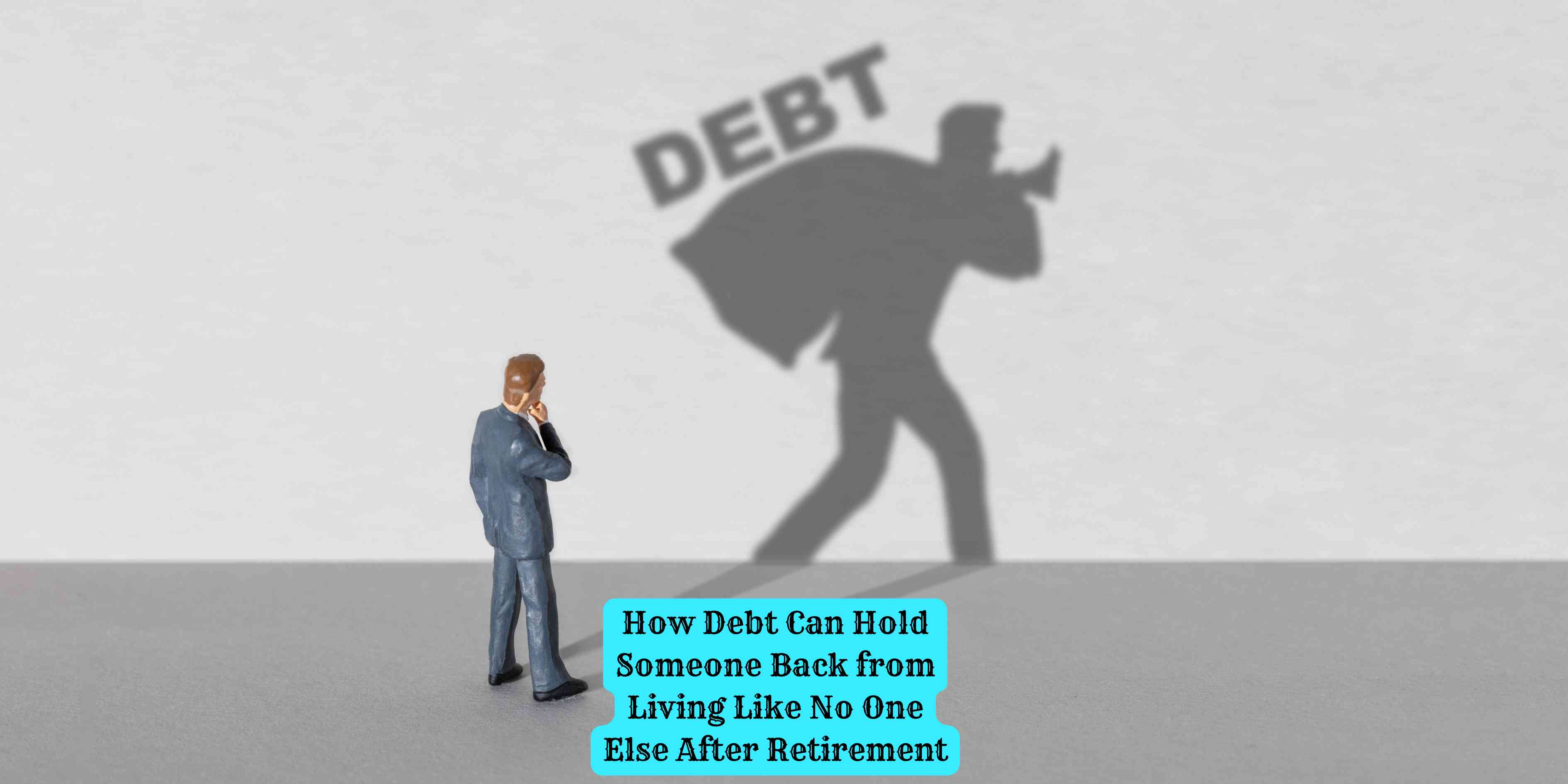
The Short Answer
Debt can hold someone back from living like no one else after retirement because monthly payments reduce cash flow, interest drains savings, stress increases, and choices become limited. Retirement usually means living on savings, Social Security, pensions, investment income, or part-time work. Debt claims part of that income before the retiree can use it for housing, health, travel, family, generosity, or peace of mind.
The more retirement income that goes to lenders, the less freedom a retiree has to use money for the life they actually wanted.
Debt Reduces Monthly Cash Flow
Cash flow matters in retirement because income is often fixed or less flexible than during working years. A person who still owes money on credit cards, personal loans, car loans, student loans, or a mortgage must keep making payments.
Those payments compete with groceries, utilities, insurance, prescriptions, property taxes, transportation, and family needs. Even a manageable payment can feel heavy when income is no longer growing through raises and overtime.
Debt turns retirement income into money that already has a destination.
Interest Keeps Taking Money
Interest is the cost of borrowing. When someone carries debt into retirement, they may keep paying for past purchases long after the benefit is gone.
Credit card debt can be especially harmful because rates are often high. A retiree may pay hundreds or thousands of dollars in interest that could have been used for medical care, emergency savings, home repairs, travel, or helping family.
The problem is not only the original amount borrowed. It is the ongoing cost of keeping the debt alive.
Debt Can Delay Retirement
Some people cannot retire when they hoped because they still owe too much. They may need to keep working to pay off debt, rebuild savings, or qualify for a more comfortable monthly budget.
Working longer can be a good choice when someone enjoys the work and is healthy. But it feels different when debt forces the decision. Health problems, caregiving duties, layoffs, or physical limitations may make extra working years difficult.
Debt can turn retirement from a planned transition into a delayed or stressful one.
It Can Increase Stress
Debt is not only a math problem. It is also emotional. Retirees may worry about bills, collection calls, medical surprises, inflation, or running out of money.
Financial stress can affect sleep, relationships, decision-making, and health. It can also make people feel embarrassed or trapped, especially if they expected retirement to feel peaceful.
The phrase “live like no one else” suggests freedom, options, and confidence. Debt pushes in the opposite direction by keeping pressure on the monthly budget.
It Reduces Emergency Flexibility
Retirement often brings unexpected expenses. A roof may leak. A car may break down. Dental work may be needed. A spouse may require care. Insurance premiums may rise.
A retiree with little debt has more room to respond. A retiree with heavy payments may need to borrow again, use high-interest credit, sell investments at a bad time, or ask family for help.
Debt makes emergencies harder because part of the budget is already committed.
It Can Limit Generosity and Enjoyment
Many people dream of using retirement to travel, volunteer, support grandchildren, give to church or charity, visit family, pursue hobbies, or simply live calmly. Debt can reduce those options.
A person may have the time to travel but not the money. They may want to help family but feel unable. They may want to downsize but discover that debt complicates the move.
Retirement freedom is not just about having no job. It is about having enough financial margin to make meaningful choices.
How to Reduce the Damage
A person approaching retirement can reduce debt pressure by listing all debts, interest rates, minimum payments, and payoff dates. Then they can focus on high-interest debt, avoid new unnecessary borrowing, build an emergency fund, and consider professional financial counseling if needed.
Some people may benefit from downsizing, refinancing carefully, working longer by choice, or creating a realistic retirement budget before leaving full-time work.
The best strategy depends on the type of debt, income, health, age, assets, and family situation.
Key Takeaway
Debt can hold someone back after retirement because it reduces cash flow, drains money through interest, increases stress, limits choices, and weakens emergency flexibility.
Retirement is easier when income belongs to the retiree instead of lenders. Paying down debt before retirement can create more freedom, stability, and peace later.