

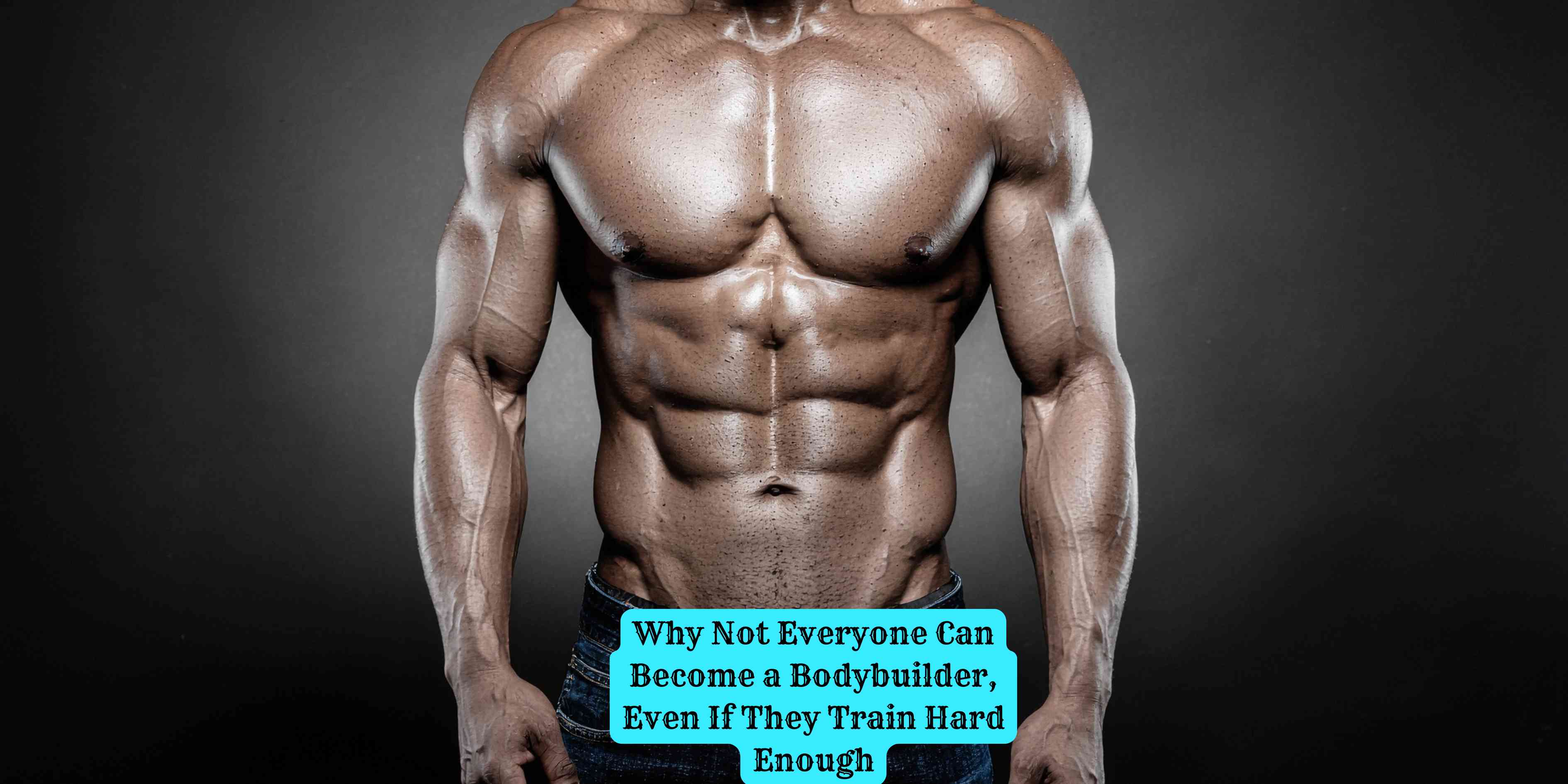
Why Not Everyone Can Become a Bodybuilder, Even If They Train Hard Enough
Hard training matters, but bodybuilding success also depends on genetics, recovery, nutrition, health, time, and personal goals.
The Short Answer
Not everyone can become a bodybuilder, even with hard training, because bodybuilding depends on more than effort. Genetics, muscle shape, hormones, bone structure, recovery ability, injury history, nutrition, time, coaching, mental health, and personal priorities all affect how far someone can go.
Hard work can improve almost anyone’s body, but it cannot make every body respond the same way.
Genetics Affect Muscle Potential
People vary in muscle fiber distribution, limb length, shoulder width, waist structure, tendon insertions, metabolism, and natural hormone levels. These traits can affect how easily someone builds muscle and how their physique looks.
Two people can follow the same program and diet but achieve different results. That does not mean one person is lazy. It means bodies are biologically different.
Genetics do not make effort useless, but they influence the ceiling and the shape of progress.
Recovery Ability Is Different
Bodybuilding requires repeated stress and recovery. Muscles grow when training is followed by enough food, sleep, rest, and adaptation.
Some people recover quickly. Others struggle with fatigue, soreness, joint pain, poor sleep, illness, or stress. A person who cannot recover well cannot simply train harder forever.
Training without recovery can lead to overtraining, injury, and stalled progress.
Nutrition Is Difficult to Sustain
Bodybuilding nutrition is demanding. Building muscle usually requires enough calories and protein. Cutting body fat for competition often requires strict dieting, tracking, and discipline.
Not everyone can or should live with that level of food control. For some people, strict dieting may trigger unhealthy relationships with food or body image.
A healthy fitness plan should support life, not consume it.
Time and Resources Matter
Serious bodybuilding takes years. It may require gym access, equipment, food planning, supplements, coaching, posing practice, sleep, and medical awareness.
Someone working multiple jobs, caring for family, studying full time, or managing financial stress may not have the same resources as someone who can organize life around training.
Effort matters, but opportunity and support matter too.
Injuries and Health Conditions Can Limit Progress
Past injuries, chronic illness, joint problems, hormonal disorders, digestive issues, disabilities, or medication effects can influence training capacity.
Some people can adapt training and still make excellent progress. Others may need to avoid certain movements, intensities, or body-fat levels for health reasons.
The goal should be the best healthy version of the person, not forcing one ideal onto every body.
Competitive Bodybuilding Is Extreme
There is a difference between building muscle and becoming a competitive bodybuilder. Competitive bodybuilding often requires very low body fat, intense training, strict dieting, posing, and physical presentation.
That level of preparation can be stressful and may not be healthy or sustainable for everyone.
Many people can become stronger, leaner, and more confident without needing to compete.
Motivation Changes Over Time
Bodybuilding requires consistency for years. A person may train hard for a season but later prioritize school, family, career, health, or mental peace.
That is not failure. Goals change as life changes.
Fitness should be flexible enough to serve the person, not become a measure of their worth.
What Hard Training Can Still Do
Even if not everyone can become a bodybuilder, most people can improve strength, posture, muscle tone, energy, confidence, and health through resistance training.
Progress should be measured against your own starting point. Adding weight to lifts, improving technique, sleeping better, reducing pain, or feeling stronger in daily life are meaningful wins.
You do not need a competition-ready body for training to matter.
Key Takeaway
Not everyone can become a bodybuilder because bodies, resources, recovery, health, genetics, and life circumstances differ.
But almost everyone can benefit from smart strength training. The better goal is not to copy someone else’s body, but to build strength, health, and confidence in the body you actually have.