

Who Can Be a Victim of Abuse and How to Prevent It
Abuse can happen to anyone, and prevention depends on awareness, boundaries, support, reporting, and safer communities.
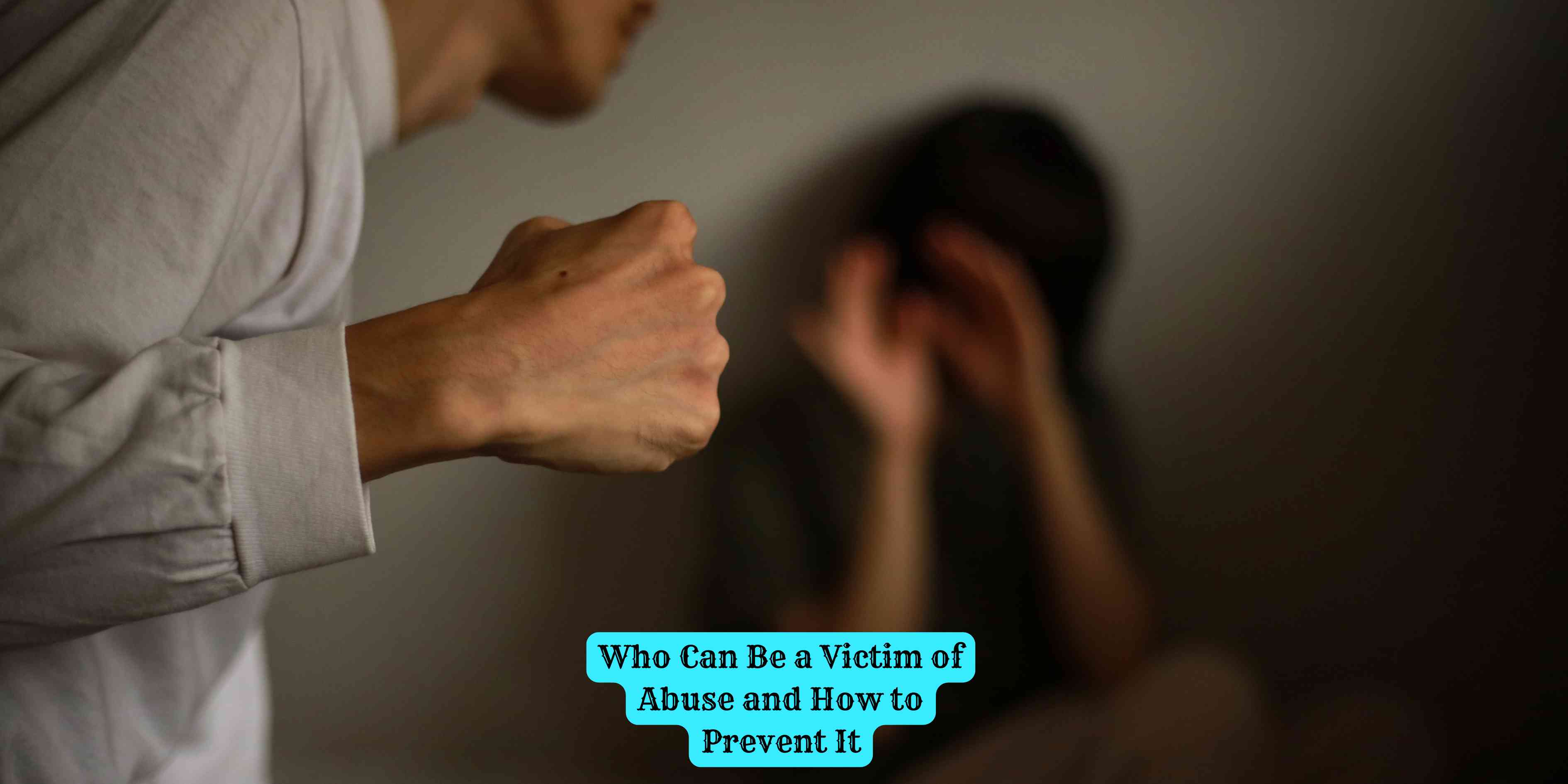
The Short Answer
Anyone can be a victim of abuse: children, teenagers, adults, older adults, women, men, people with disabilities, LGBTQ people, immigrants, students, workers, spouses, dating partners, and family members. Abuse can be physical, emotional, sexual, financial, digital, or neglectful.
Abuse is never the victim’s fault, and prevention requires both personal safety skills and community systems that hold abusers accountable.
Abuse Can Affect Anyone
Abuse is not limited to one gender, age, income level, race, religion, or relationship type. It can happen in families, dating relationships, marriages, schools, workplaces, care facilities, online spaces, and institutions.
Some people face higher risk because of isolation, dependence, disability, age, discrimination, poverty, or lack of support. But vulnerability is not the same as blame.
The responsibility for abuse belongs to the person choosing harmful behavior.
Common Forms of Abuse
Physical abuse involves hitting, choking, pushing, burning, restraining, or using weapons. Emotional abuse involves threats, humiliation, control, intimidation, isolation, or constant criticism.
Sexual abuse involves unwanted sexual contact, coercion, exploitation, or pressure. Financial abuse involves controlling money, stealing, sabotaging work, or forcing debt. Digital abuse may include stalking, monitoring, harassment, or threats through devices.
Neglect happens when someone responsible for care fails to provide basic needs such as food, shelter, medical care, hygiene, or supervision.
Warning Signs to Notice
Warning signs may include unexplained injuries, fear of a particular person, isolation, sudden personality changes, anxiety, depression, missed school or work, loss of access to money, controlling behavior by a partner, or frequent monitoring.
Children may show regression, fearfulness, aggression, sleep problems, or sexual knowledge beyond their age. Older adults may show poor hygiene, untreated medical needs, financial changes, or fear around caregivers.
One sign alone may not prove abuse, but patterns deserve attention.
Prevention Starts with Education
People can help prevent abuse by teaching healthy boundaries, consent, respect, emotional regulation, and safe communication. Children should learn that their bodies belong to them and that they can tell a trusted adult when something feels wrong.
Teenagers need education about dating violence, online safety, coercion, and healthy relationships. Adults need training in recognizing abuse, reporting concerns, and supporting survivors without blame.
Education works best when it starts early and continues throughout life.
Strong Support Networks Help
Isolation makes abuse easier to hide. Supportive families, schools, workplaces, faith communities, neighbors, and friends can help people stay connected and safer.
Checking in on vulnerable people matters. So does believing people when they disclose harm and helping them reach professional support.
A survivor may not be ready to leave or report immediately. Patient, nonjudgmental support can still reduce danger.
Reporting and Safety Planning Matter
If someone is in immediate danger, emergency services should be contacted. For ongoing abuse, local hotlines, child protective services, adult protective services, school counselors, health professionals, or domestic violence advocates may help.
Safety planning can include keeping important documents, identifying safe contacts, changing passwords, documenting incidents, arranging transportation, and knowing where to go in a crisis.
Because leaving an abusive situation can be dangerous, professional guidance is often important.
Communities Can Prevent Abuse
Communities prevent abuse by enforcing laws, funding shelters and hotlines, training teachers and health workers, screening caregivers, protecting workers, supporting families, and responding seriously to reports.
Prevention also means challenging attitudes that excuse control, coercion, violence, or victim blaming.
When communities make abuse visible and unacceptable, victims have a better chance of being protected.
Key Takeaway
Anyone can be a victim of abuse, and abuse can take many forms. Prevention requires education, healthy boundaries, strong support networks, early intervention, safe reporting systems, and accountability for harmful behavior.
The most important message is simple: abuse is not normal, not deserved, and not something a person should have to face alone.