

Explain the Difference Between Essential Body Fat and Storage Body Fat
Not all body fat is the same. Essential fat and storage fat serve fundamentally different biological functions — and confusing them leads to misconceptions about what healthy body composition actually means.
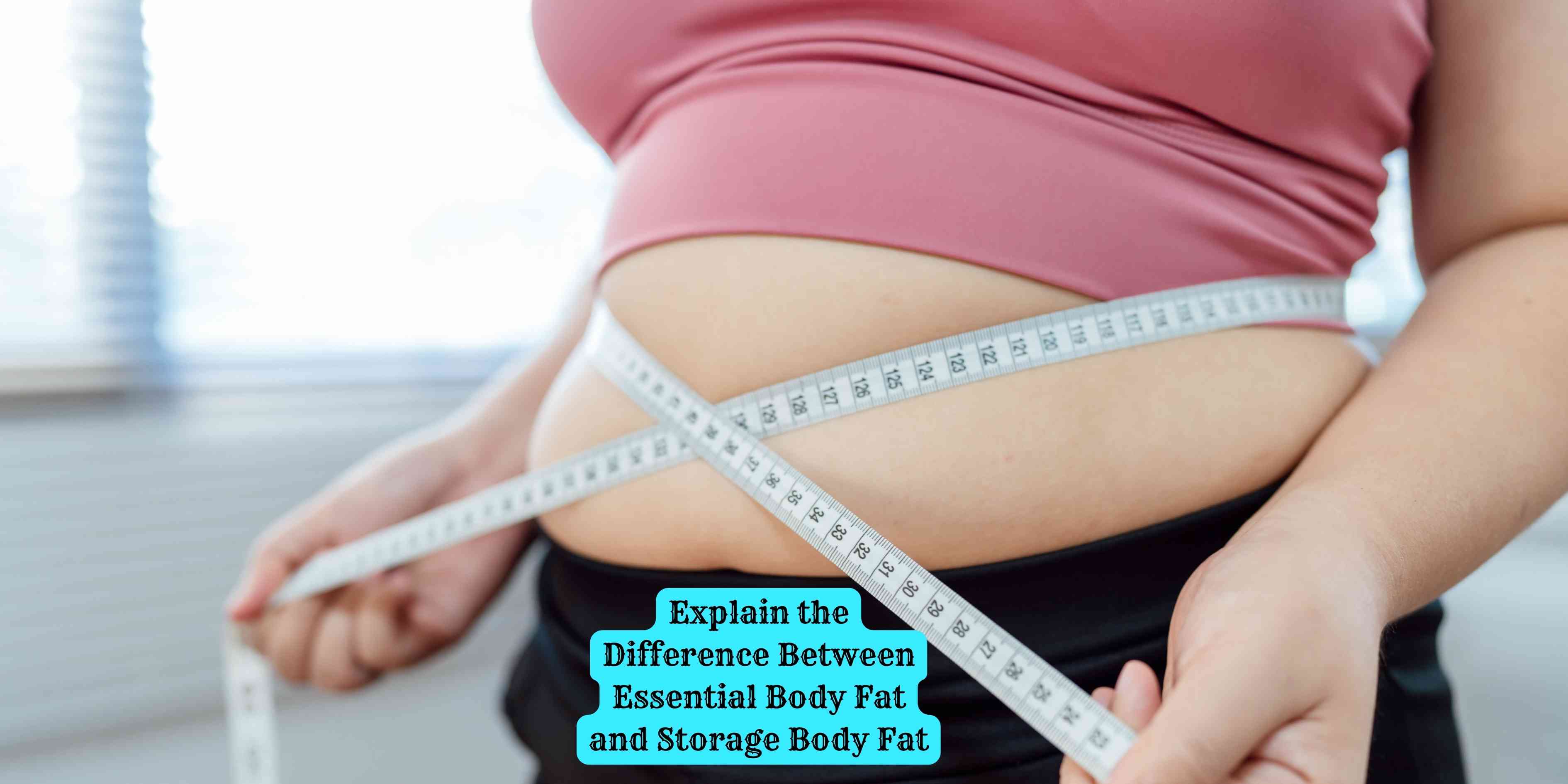
Body fat is divided into two functional categories: essential body fat, which is required for basic physiological function and cannot be safely reduced below certain minimum levels, and storage body fat, which accumulates beyond essential needs and serves primarily as an energy reserve. The distinction matters because both extremes — too little of any fat, or too much storage fat — carry health consequences, and understanding the difference clarifies what the target of healthy body composition actually is.
The American College of Sports Medicine identifies essential fat at approximately 2-5% of body weight for men and 10-13% for women. Women carry higher essential fat requirements because it includes fat associated with reproductive hormones and function — a difference that is biological, not a matter of standards.
What Essential Body Fat Is
Essential body fat is the minimum amount of fat required for normal physiological functioning. It is called essential because it cannot be removed without causing harm — it is structurally and functionally necessary, not optional.
Essential fat is found in specific locations throughout the body:
- In the bone marrow, where it supports blood cell production
- In nerve tissue, where it forms the myelin sheath that insulates nerve fibers and enables signal transmission
- In the brain, where fat makes up approximately 60% of brain tissue
- In the membranes of every cell in the body, where phospholipids (a type of fat) form the cell membrane structure
- In the heart, lungs, liver, spleen, kidneys, and other vital organs
- In women: in the breast tissue, uterus, and other sex-specific fat deposits associated with estrogen and reproductive function
The fat in these locations is not available for energy use during periods of caloric restriction. The body protects essential fat even during severe starvation — it is the last reserve drawn upon, and its depletion represents a profound medical emergency. Athletes or individuals pursuing extreme leanness who fall below essential fat levels experience serious health consequences including hormonal disruption, immune dysfunction, cardiovascular complications, and neurological effects.
What Storage Body Fat Is
Storage body fat is the fat deposited beyond essential levels, primarily in adipose tissue — fat cells (adipocytes) distributed throughout the body. It accumulates when caloric intake exceeds caloric expenditure and is reduced when the reverse is true. It functions as the body’s primary long-term energy reserve.
Storage fat exists in two main forms:
- Subcutaneous fat: Located beneath the skin, this is the fat that can be pinched on the abdomen, thighs, arms, and elsewhere. It provides thermal insulation, cushioning for underlying structures, and energy storage.
- Visceral fat: Located within the abdominal cavity, surrounding the internal organs. This type of fat is metabolically more active than subcutaneous fat and is more closely associated with cardiovascular disease risk, insulin resistance, and metabolic syndrome when present in excess.
Storage fat is normal and necessary in reasonable amounts — it is the body’s primary energy reserve, and total absence of storage fat would be as problematic as extreme excess. The concern with storage fat is specifically with accumulation beyond levels the body can metabolically manage without consequence.
The Key Differences Between Essential and Storage Fat
| Feature | Essential Body Fat | Storage Body Fat |
|---|---|---|
| Function | Structural and physiological | Energy reserve and insulation |
| Location | Nerves, brain, organs, cell membranes | Subcutaneous and visceral adipose tissue |
| Reducibility | Cannot be safely reduced below minimum | Can be reduced through caloric deficit |
| Health impact of too little | Severe physiological dysfunction | Undesirable but tolerable to modest levels |
| Health impact of excess | Not applicable — essential fat does not accumulate excessively | Metabolic disease risk when significantly elevated |
What Healthy Body Composition Looks Like
Healthy body composition is typically defined as total body fat within a range that includes essential fat and an appropriate amount of storage fat, without excessive visceral or subcutaneous accumulation. General guidelines from major health organizations suggest:
- Men: 10-20% total body fat is generally considered healthy (with 2-5% being essential)
- Women: 18-28% total body fat is generally considered healthy (with 10-13% being essential)
- Athletes: May maintain lower storage fat while preserving essential fat, typically 6-13% for male athletes and 14-20% for female athletes
These ranges allow for meaningful storage fat while protecting essential fat. The significant difference between male and female minimum thresholds reflects the biological requirement for sex-specific essential fat in women — attempting to reduce female body fat to the male threshold produces reproductive and hormonal dysfunction.
Understanding this distinction is particularly relevant for people pursuing fat loss: the goal is reduction of excess storage fat, not reduction of fat as a general category. Essential fat is not the target of a health-focused fat loss effort — it is the floor that represents the minimum requirement for functioning, not the goal.