

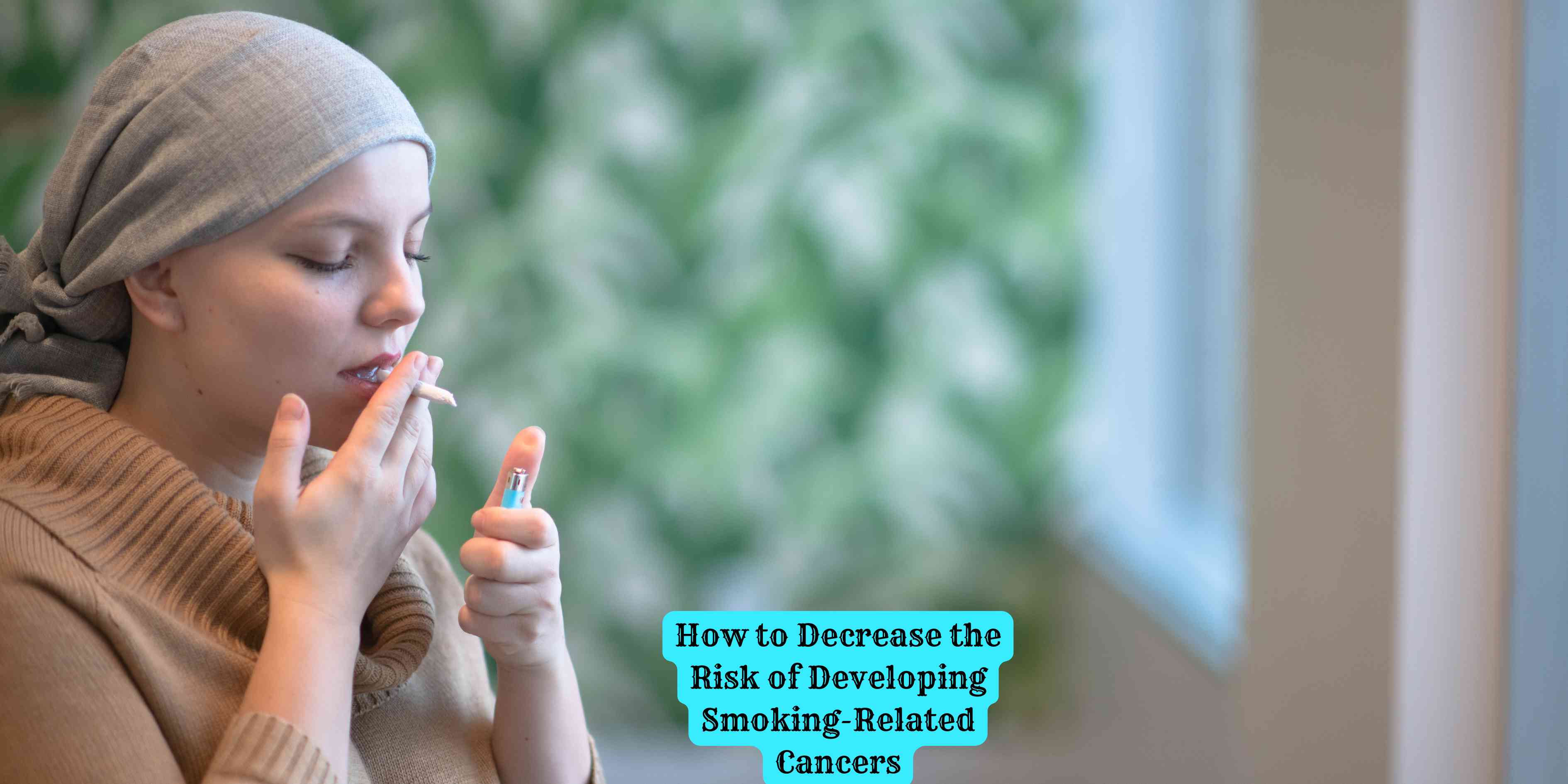
How to Decrease the Risk of Developing Smoking-Related Cancers
The most powerful way to reduce smoking-related cancer risk is to stop using tobacco and avoid exposure to tobacco smoke.
The Short Answer
You can decrease the risk of developing smoking-related cancers by quitting smoking, avoiding all tobacco products, staying away from secondhand smoke, getting recommended cancer screenings, reducing exposure to other cancer-causing substances, and asking a health professional for help with quitting.
Quitting smoking is the single most important step because tobacco smoke contains thousands of chemicals, including many that can cause cancer. The earlier a person quits, the more risk can fall over time, but quitting is beneficial at any age.
Quit Smoking Completely
The biggest step is to stop smoking cigarettes, cigars, pipes, or any burned tobacco. Smoking is linked to cancers of the lung, mouth, throat, voice box, esophagus, pancreas, bladder, kidney, cervix, stomach, colon, rectum, liver, and blood.
Cutting down may reduce exposure, but complete quitting gives the strongest protection. There is no safe level of smoking.
Quitting can be hard because nicotine is addictive. Many people need several attempts before they quit for good. That does not mean they failed; it means nicotine dependence is a real medical and behavioral challenge.
Get Help Instead of Quitting Alone
Support improves the chance of success. A person can talk to a doctor, pharmacist, counselor, quitline, or smoking cessation program.
Helpful tools may include nicotine replacement therapy, prescription medications, counseling, support groups, text programs, apps, and a written quit plan. A health professional can help choose an approach based on health history, smoking level, pregnancy status, medications, and personal preferences.
The best quitting method is the one a person can use consistently and safely.
Avoid Secondhand Smoke
Secondhand smoke also increases cancer risk. Even people who do not smoke can inhale cancer-causing chemicals when they live, work, or spend time around tobacco smoke.
To reduce exposure, keep homes and cars smoke-free. Avoid indoor spaces where smoking is allowed. Ask visitors not to smoke near children, older adults, pregnant people, or anyone with breathing problems.
Smoke-free rules protect more than the person trying to quit. They protect family members, coworkers, and the wider community.
Do Not Switch to Another Tobacco Product
Some people try to stop smoking by switching to cigars, smokeless tobacco, hookah, or other nicotine products. This can still create health risks.
Smokeless tobacco is linked to cancers of the mouth, throat, and pancreas. Cigars and pipes still expose users to toxic chemicals. Hookah smoke can contain nicotine, carbon monoxide, and cancer-causing substances.
If someone uses nicotine replacement or other cessation products, they should follow medical or label guidance. The purpose is to quit tobacco, not replace one harmful pattern with another.
Get Recommended Screenings
Some people with a significant smoking history may qualify for lung cancer screening with low-dose CT scans. Screening does not prevent cancer, but it can find lung cancer earlier, when treatment may work better.
People should ask a health professional whether they qualify based on age, smoking history, and current health guidelines. Other screenings, such as cervical, colorectal, and oral health checks, may also matter depending on personal risk.
Screening works best when combined with quitting, not as a substitute for quitting.
Reduce Other Cancer Risks
Smoking-related cancer risk can be made worse by other exposures. Radon, asbestos, diesel exhaust, air pollution, certain workplace chemicals, heavy alcohol use, and poor ventilation can add risk.
Helpful steps include testing the home for radon, following workplace safety rules, using protective equipment, improving ventilation, limiting alcohol, eating a balanced diet, and staying physically active.
These actions do not erase smoking risk, but they can support overall cancer prevention.
Create a Relapse Plan
Many people relapse after quitting. Planning for cravings can help. Triggers may include stress, alcohol, social situations, driving, breaks at work, or strong emotions.
A relapse plan might include calling a support person, using a nicotine replacement product as directed, taking a walk, drinking water, delaying the urge, avoiding smoking areas, or returning to counseling.
One cigarette does not have to become a full return to smoking. The key is to restart quickly.
Key Takeaway
The best way to decrease the risk of smoking-related cancers is to quit tobacco completely and avoid secondhand smoke. Support, medication, counseling, screening, and safer environments can make that goal more realistic.
Cancer risk does not disappear overnight, but quitting gives the body a chance to heal and lowers risk over time.