

Are Professional Athletes Overpaid?
Professional athlete pay can look extreme, but the debate depends on revenue, scarcity, risk, and what society chooses to reward.
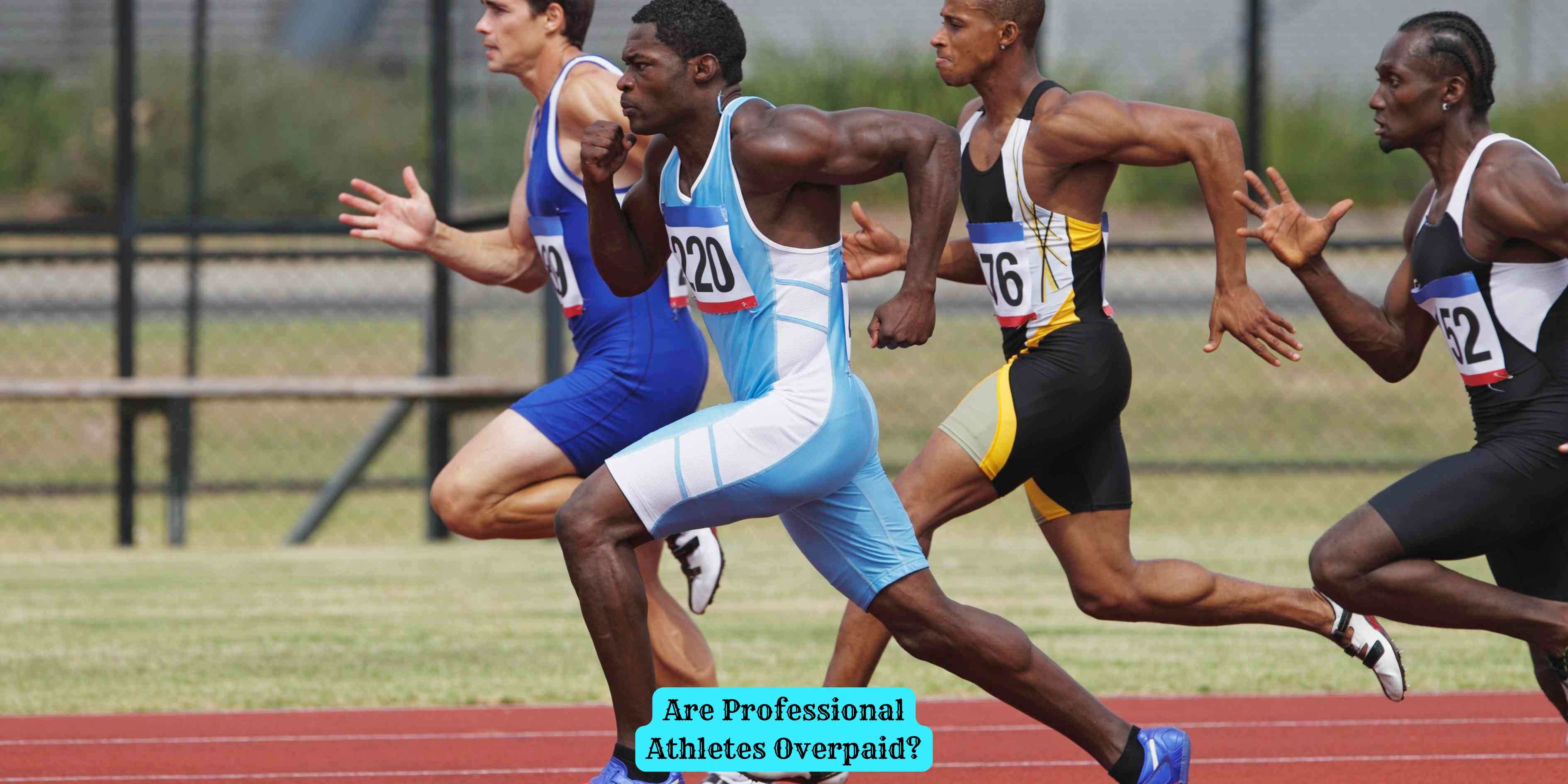
The question of whether professional athletes are overpaid comes up often. A star player may earn more in one season than many teachers, nurses, firefighters, or factory workers earn in a lifetime. At first glance, that can feel unfair. But athlete salaries are shaped by markets, entertainment revenue, contracts, risk, and public demand.
The best answer is not simply yes or no. Professional athletes may seem overpaid when compared with socially essential jobs, but their salaries also reflect the enormous money generated by sports. To understand the debate, it helps to look at both sides carefully.
Why People Say Athletes Are Overpaid
Many people argue that athletes are overpaid because sports are entertainment, not a basic need. Society depends on teachers, doctors, nurses, farmers, sanitation workers, and emergency responders, yet many of those workers earn far less than athletes.
This argument is really about social value. If pay were based only on usefulness to society, many essential workers would likely earn much more. A person who saves lives or educates children may contribute more directly to daily life than someone who plays a game professionally.
The athlete-pay debate often reveals a bigger question: should income reflect market value, social value, or some combination of both?
Why Athletes Earn So Much
Professional athletes earn high salaries because sports generate huge revenue. Fans buy tickets, subscriptions, merchandise, and video games. Television networks and streaming platforms pay large sums for broadcasting rights. Advertisers want access to sports audiences. Teams and leagues profit from the attention athletes create.
In that sense, athletes are not simply paid for playing a game. They are paid because their performance helps produce entertainment that millions of people are willing to watch and pay for.
If a player helps a team sell tickets, attract sponsors, win championships, and increase media attention, the team may see that player as worth a very large contract.
Scarcity Makes Elite Athletes Valuable
Another reason athletes earn so much is scarcity. Many people play sports, but only a tiny percentage can perform at the highest professional level. Elite athletic skill requires unusual talent, years of training, physical discipline, mental toughness, and the ability to perform under pressure.
Scarcity raises value. If only a few people in the world can do something at a level that attracts millions of viewers, those people can command high pay. This is similar to how rare skills in business, technology, entertainment, or medicine can produce high incomes.
The difference is that athletes perform in public, so their salaries are more visible and easier to criticize.
Short Careers and Physical Risk Matter
Professional sports careers can be short. Many athletes spend years training before they ever earn major money, and many never reach long-term financial security. Injuries can end careers suddenly. Even successful athletes may deal with chronic pain, surgeries, concussions, or physical decline after retirement.
High salaries partly compensate for that risk and limited earning window. A person in another profession may work for 40 years, but an athlete may have only a few peak earning years.
This does not mean every athlete salary is morally fair. It means that comparing yearly salary alone can miss the physical cost and career uncertainty behind professional sports.
The Role of Fans and Consumers
Athlete pay is also connected to public choices. Fans help create the market by watching games, buying jerseys, attending events, and following athletes online. If people stopped spending money on professional sports, salaries would fall.
This makes the overpaid argument complicated. Society often complains about athlete salaries while continuing to fund the system that produces them. Sports leagues respond to demand, and athletes receive part of the revenue they help generate.
In many cases, the alternative to paying athletes less would not automatically mean paying teachers or nurses more. It might simply mean owners, leagues, or media companies keep a larger share of sports revenue.
Are Some Athletes Still Overpaid?
Some athletes may be overpaid in the practical sense that their performance does not match their contract. Teams sometimes make poor salary decisions, overestimate future performance, or pay based on popularity rather than results.
However, that is different from saying all athletes are overpaid. In a market system, pay often reflects what employers believe a person can generate financially. A bench player, injured star, or declining veteran may be overpaid by sports standards, but the overall salary structure is tied to the business of sports.
A Fairer Way to Think About the Question
Instead of asking only whether athletes are overpaid, it may be better to ask why many essential workers are underpaid. The problem may not be that athletes earn too much from sports revenue. The deeper issue may be that society undervalues work that is less profitable but deeply necessary.
This shifts the debate from resentment toward athletes to a broader discussion about wages, public funding, labor rights, and economic priorities.
Final Thoughts
Professional athletes can seem overpaid when compared with the social importance of other jobs. But their salaries are largely shaped by revenue, scarcity, physical risk, and consumer demand. Athletes earn a large share because sports are a large business.
The fairest answer is that athletes are not always overpaid within the sports economy, but society may still have unfair pay priorities overall. The better question is not only why athletes earn so much, but why many essential workers earn so little.