

A Pregnant Woman Should Make Love Daily, 4 Reasons Why
Intimacy during a healthy pregnancy can be safe and meaningful, but it should be based on comfort, consent, and medical guidance.
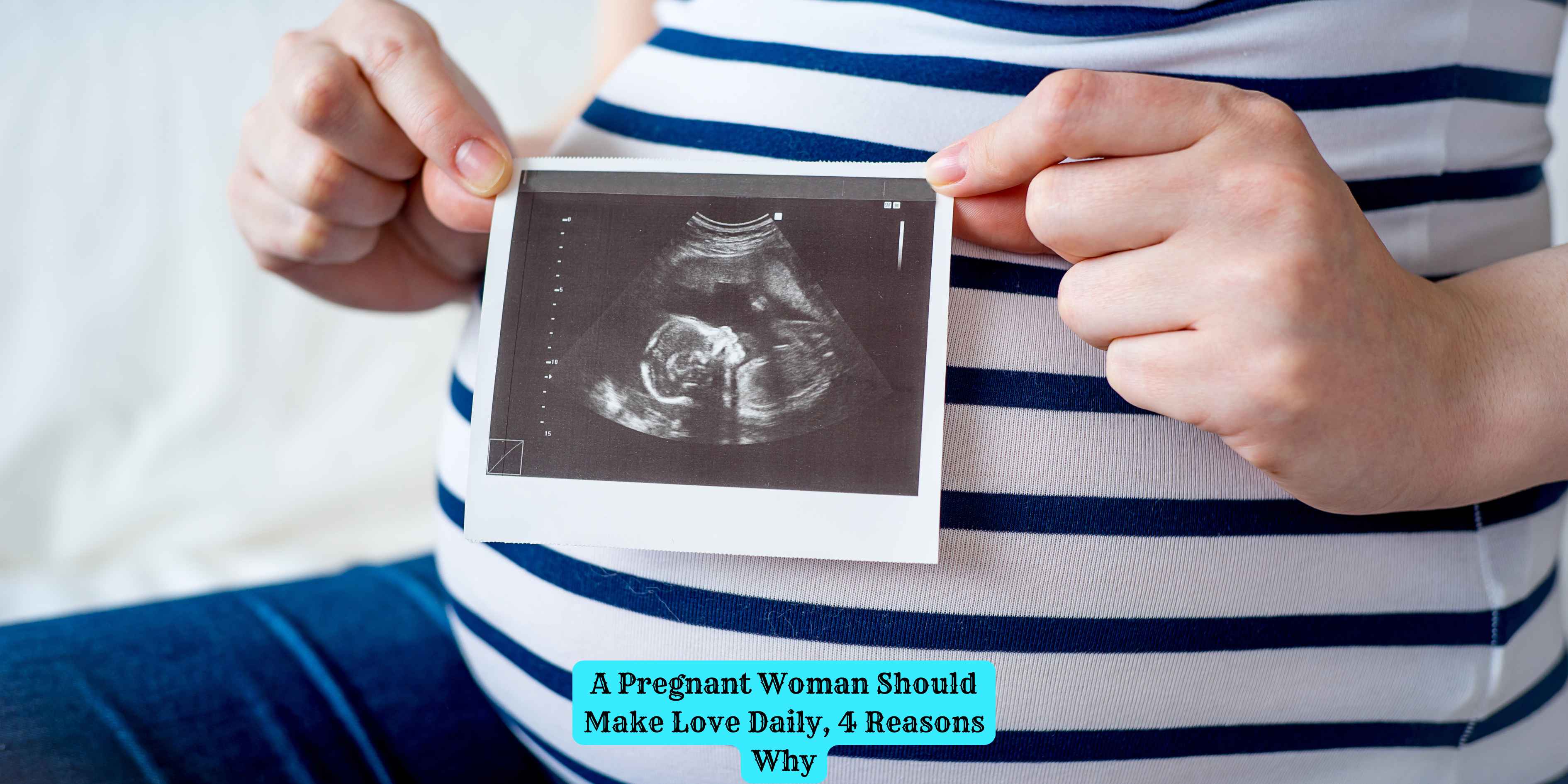
1. It Can Strengthen Emotional Connection
For many couples, making love during pregnancy can strengthen closeness, reassurance, and emotional connection. Pregnancy can bring body changes, stress, tiredness, excitement, and fear. Gentle intimacy can help partners feel wanted, supported, and connected.
That does not mean a pregnant woman must have sex daily. Desire changes from person to person and trimester to trimester. Daily intimacy should only happen if both partners want it and it feels comfortable.
Healthy pregnancy intimacy is about consent and comfort, not pressure or obligation.
2. It May Reduce Stress and Improve Mood
Affection, closeness, and sexual activity can release hormones associated with relaxation, bonding, and pleasure. This may help some pregnant women feel calmer, happier, and less emotionally alone.
Stress relief can also come from non-sexual affection, such as cuddling, massage, conversation, prayer, shared rest, or kind attention.
If intercourse is uncomfortable, couples can still protect emotional intimacy in other ways.
3. It Can Support Relationship Communication
Pregnancy requires communication about comfort, boundaries, body changes, fears, parenting expectations, and emotional needs. Talking about intimacy can help couples practice honest communication.
Questions such as “Does this feel comfortable?” or “What do you need today?” can create trust.
This matters because pregnancy is not only physical. It changes the relationship, the household, and the way partners care for each other.
4. It Is Usually Safe in Healthy Pregnancies
ACOG says most sexual activity is safe for women with healthy pregnancies, including intercourse or penetration with fingers or sex toys. Mayo Clinic experts have also explained that sex can be safe for healthy women having healthy pregnancies.
The baby is protected by the uterus, amniotic fluid, and cervix. In most uncomplicated pregnancies, sex does not harm the baby.
Still, “usually safe” does not mean “always safe” or “required daily.”
When to Avoid Sex During Pregnancy
Avoid sex or ask your healthcare professional first if there is vaginal bleeding, leaking fluid, placenta previa, risk of preterm labor, cervical problems, ruptured membranes, severe pain, unexplained cramping, or a clinician’s instruction to avoid intercourse.
Also avoid sex if a partner has an untreated sexually transmitted infection or if either person feels pressured.
Pain, bleeding, dizziness, fluid leakage, or contractions after sex should be discussed with a healthcare professional.
Comfort Matters More Than Frequency
Pregnancy can change desire. Some women feel more interested in sex; others feel less interested because of nausea, fatigue, pelvic pressure, back pain, body image concerns, or emotional stress.
There is no perfect number of times a pregnant couple should make love.
Daily intimacy can be beautiful for some couples, but rest, tenderness, and emotional safety matter more than frequency.
Safer Ways to Stay Close
Couples can stay close by choosing comfortable positions, moving slowly, using pillows, communicating clearly, and stopping when something hurts. Non-sexual affection can be just as meaningful.
The pregnant partner’s comfort should lead the pace.
No partner should use pregnancy as a reason to demand sex.
Practical Takeaway
A pregnant woman does not medically need to make love daily. But in a healthy pregnancy, consensual intimacy can support emotional connection, stress relief, communication, and relationship closeness.
The healthiest approach is simple: ask the healthcare professional about any risks, respect the pregnant partner’s comfort, and treat intimacy as mutual care rather than a duty.