

7 Things Narcissists Do When They Lose Control Over You
When someone with narcissistic traits loses control, they may blame, guilt-trip, rage, test boundaries, play victim, or try to damage your confidence.
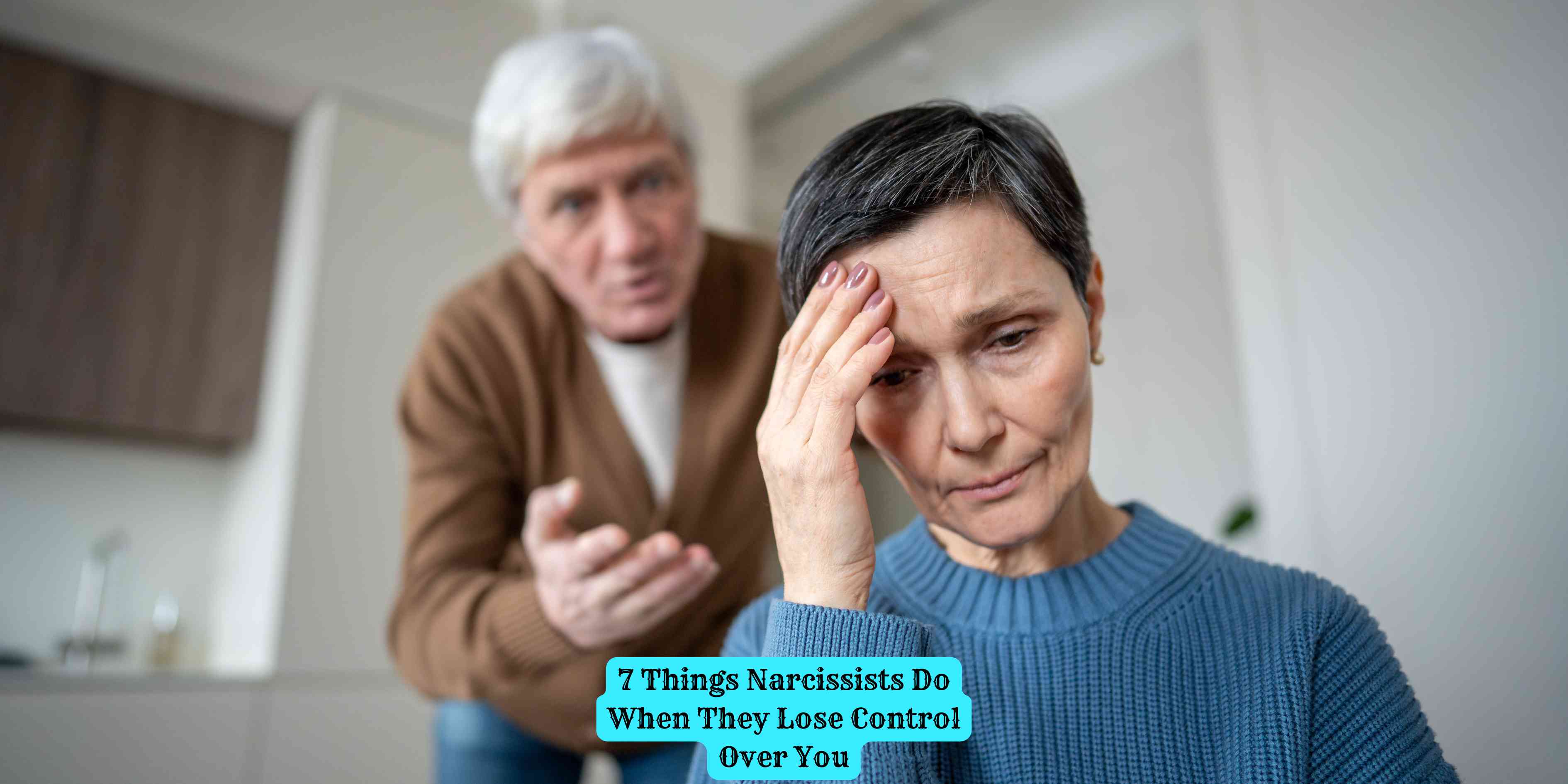
The word “narcissist” is often used casually, but narcissistic personality disorder is a real clinical diagnosis that only a qualified professional can make. Still, many people deal with someone who shows narcissistic traits: entitlement, lack of empathy, manipulation, constant need for admiration, blame-shifting, or difficulty respecting boundaries.
When such a person loses control over you, the relationship may become more intense. They may try to pull you back into old patterns, punish your independence, or make you doubt yourself.
This article is educational, not a diagnosis. If you are dealing with threats, stalking, violence, coercion, or fear for your safety, seek help from trusted people, local services, or emergency support.
When a controlling person loses influence over you, the safest response is usually clearer boundaries, less emotional arguing, and more support, not trying harder to convince them.
Seven things narcissistic people may do when they lose control over you are:
- Blame you for everything.
- Guilt-trip you.
- Rage or intimidate.
- Play the victim.
- Test your boundaries.
- Start a smear campaign.
- Try to pull you back with affection or promises.
Not every person will do all of these things. The pattern matters more than one isolated moment.
1. They Blame You for Everything
Blame-shifting is common in unhealthy relationship patterns. Instead of taking responsibility, the person may say you are too sensitive, selfish, disrespectful, ungrateful, or cruel for setting limits.
The goal is often to move attention away from their behavior and onto your reaction. If you begin defending yourself endlessly, the original issue may disappear.
Helpful response:
- Stay specific.
- Do not argue about every accusation.
- Repeat the boundary calmly.
- Write down important events if needed.
You do not have to accept blame for someone else’s harmful choices.
2. They Guilt-Trip You
When control weakens, guilt may become a tool. They may remind you of everything they have done for you, accuse you of abandoning them, or suggest that setting boundaries proves you do not care.
Guilt can be powerful because healthy people usually do care about how their actions affect others. But guilt should not be used to trap someone in mistreatment.
Ask yourself:
- Am I being asked to repair harm I caused?
- Or am I being pressured to give up a healthy boundary?
Real accountability is different from emotional manipulation.
3. They Rage or Intimidate
Some people respond to lost control with anger. This may include yelling, insults, threats, door-slamming, aggressive messages, public humiliation, or intimidation. The purpose may be to frighten you back into compliance.
Anger does not have to be physical to be harmful. Repeated intimidation can make a person feel unsafe and constantly alert.
If anger escalates:
- Do not try to win the argument.
- Move toward safety.
- Save threatening messages.
- Tell someone you trust.
- Contact emergency services if you are in danger.
Safety matters more than explaining yourself perfectly.
4. They Play the Victim
Another reaction is to present themselves as the wounded party. They may tell others that you are cold, unstable, disloyal, or abusive because you stopped complying.
This can be confusing because they may sound sincere. Some people with narcissistic traits genuinely experience boundaries as rejection or humiliation. But feeling hurt does not give someone the right to distort reality or punish you.
You can have compassion without surrendering your boundaries.
5. They Test Your Boundaries
Boundaries often get tested after they are first set. The person may ignore your requests, contact you through other people, push for exceptions, or act as if the boundary was never stated.
Boundary testing may sound like:
- “Just this once.”
- “You owe me a conversation.”
- “I know you said no, but…”
- “You are being dramatic.”
A boundary is only useful if it is followed by action. Keep it simple, specific, and consistent.
6. They Start a Smear Campaign
If they cannot control your choices privately, they may try to control how others see you publicly. This can include gossip, selective screenshots, exaggerated stories, or recruiting mutual friends and family.
The purpose may be to isolate you, pressure you, or make you look like the problem.
Respond carefully:
- Do not overshare with unsafe people.
- Keep records.
- Tell the truth calmly when necessary.
- Avoid social media battles.
- Lean on people who know your character.
Trying to correct every rumor can become exhausting. Focus on safety, truth, and support.
7. They Try to Pull You Back
Not every response looks hostile. Sometimes the person becomes suddenly affectionate, apologetic, generous, or full of promises. They may say everything will change if you come back, answer the phone, or drop the boundary.
Apologies matter, but they should come with consistent changed behavior. Words alone are not enough.
Look for:
- Accountability without excuses.
- Respect for your boundaries.
- Willingness to get help.
- Consistent change over time.
- No punishment when you still say no.
Love should not require you to ignore your own safety or dignity.
Final Thoughts
When narcissistic or controlling people lose influence, they may blame, guilt-trip, rage, play victim, test boundaries, spread rumors, or try to pull you back with promises. These behaviors can be destabilizing, especially if you are used to explaining yourself.
You do not need to diagnose someone to protect yourself. Pay attention to patterns, keep boundaries clear, and get support from safe people.