

5 Ways to End Homelessness
Five ways to end homelessness include expanding affordable housing, preventing eviction, using Housing First, providing supportive services, and improving income supports.
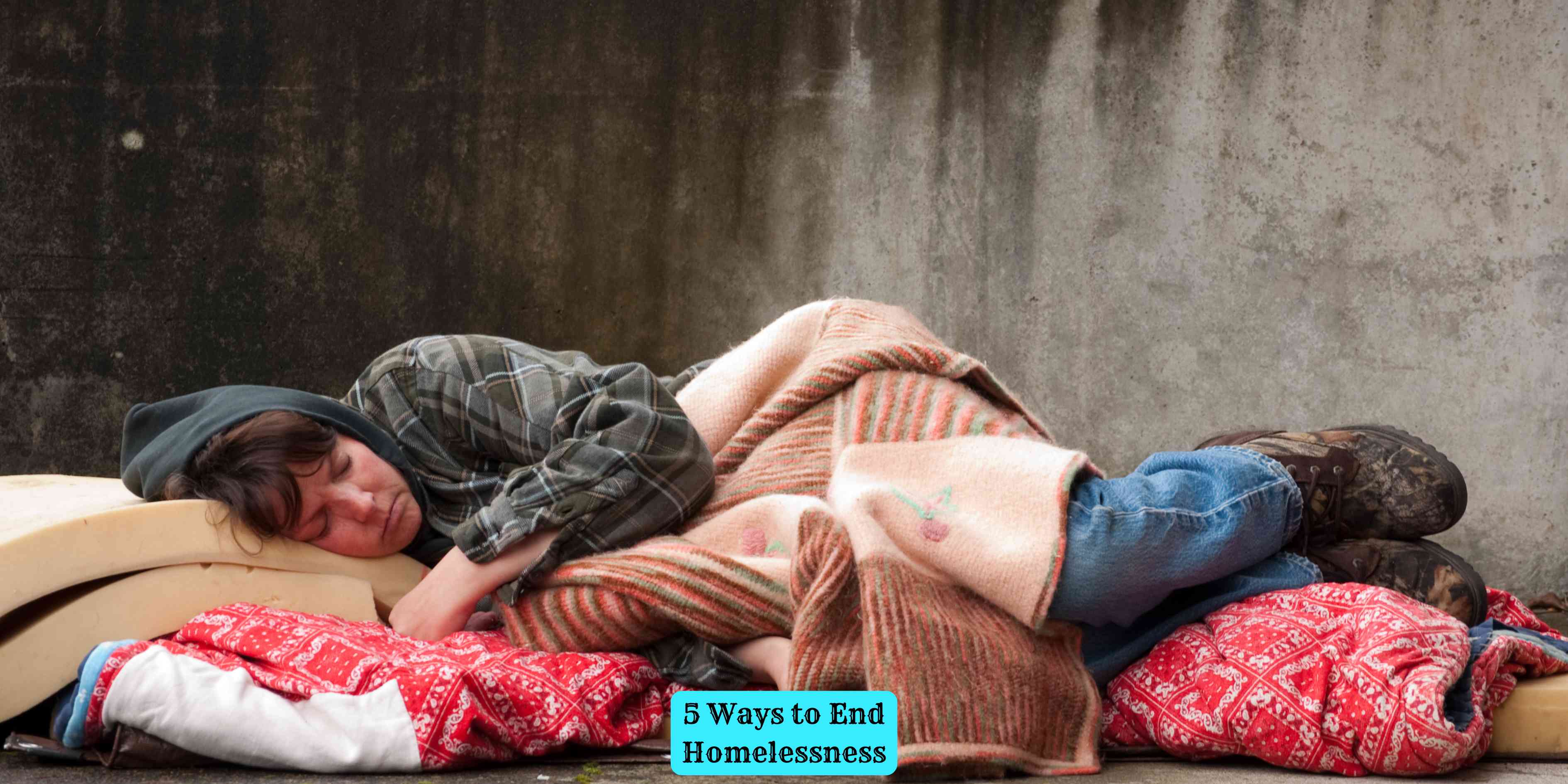
Homelessness can feel impossible to solve, but it is not mysterious. People become homeless when they do not have safe, stable, affordable housing and enough support to keep it. Ending homelessness requires housing, prevention, services, income support, and coordinated systems.
Emergency shelters can save lives, but shelter alone does not end homelessness. A person exits homelessness when they have a permanent place to live.
The most important way to end homelessness is to make housing available and affordable, then connect people with the right level of support to stay housed.
This article focuses on evidence-informed strategies often discussed by organizations such as USICH, HUD, and the National Alliance to End Homelessness.
Five ways to end homelessness are:
- Expand affordable housing
- Prevent homelessness before it happens
- Use Housing First and rapid rehousing
- Provide permanent supportive housing
- Improve income, health care, and coordinated services
These approaches work best together. Housing without support may not be enough for everyone. Services without housing leave people unstable. Prevention without affordable housing can only go so far.
1. Expand Affordable Housing
Homelessness rises when housing costs grow faster than income. If people cannot afford rent, even full-time work may not protect them from housing instability.
Affordable housing includes rental assistance, public housing, vouchers, nonprofit housing, deeply affordable units, and policies that increase housing supply.
The National Alliance to End Homelessness emphasizes housing as the foundation. People need a place to live before they can fully stabilize health, work, school, family, or recovery.
Affordable housing is not only a social-service issue. It is also a planning, zoning, wages, construction, and public investment issue.
Communities that want to end homelessness must create enough homes people can actually afford.
2. Prevent Homelessness Before It Happens
Prevention is often cheaper and less traumatic than helping someone after they lose housing.
Homelessness prevention can include emergency rental assistance, eviction diversion, mediation with landlords, legal aid, utility help, family support, and short-term case management.
Prevention works best when targeted to people at real risk of homelessness. Not every financial hardship becomes homelessness, so programs need good screening and fast help.
USICH has highlighted targeted prevention and diversion as parts of an effective homelessness response system.
Keeping a family housed can protect children from school disruption, stress, illness, and trauma. It can also reduce pressure on shelters.
3. Use Housing First and Rapid Rehousing
Housing First is an approach that prioritizes permanent housing without requiring people to meet conditions such as sobriety, employment, or treatment first. The idea is that housing is the platform from which people can address other challenges.
Rapid rehousing provides short-term rental assistance and services to help people obtain housing quickly, increase self-sufficiency, and stay housed.
These approaches recognize that people are more likely to stabilize when they are not living outside, in a car, or in temporary shelter.
Housing First does not mean “housing only.” People may still receive case management, treatment referrals, employment support, and other services. The difference is that services are connected to housing rather than used as a gatekeeping requirement.
4. Provide Permanent Supportive Housing
Some people need long-term housing assistance plus ongoing services. Permanent supportive housing combines affordable housing with support for people experiencing chronic homelessness, disability, serious mental illness, substance use disorder, or complex health needs.
HUD describes permanent supportive housing as permanent housing with assistance and supportive services to help households obtain and retain housing.
Supportive services may include mental health care, physical health care, substance-use treatment, case management, help with benefits, transportation, and daily living support.
Permanent supportive housing can be especially important for people who have cycled through shelters, hospitals, jails, and streets for years.
It is not the right level of support for everyone, but for people with the greatest needs, it can be life-changing.
5. Improve Income, Health Care, and Services
Housing is central, but income and health also matter. People need enough money to pay rent, food, transportation, and basic needs.
Strategies include living wages, employment support, disability benefits, Social Security access, veteran benefits, child care, behavioral health care, and medical care.
Coordinated systems matter too. USICH notes that effective homelessness response systems include outreach, coordinated entry, prevention, shelter, permanent housing, rapid rehousing, and wraparound services.
If services are fragmented, people fall through gaps. A person should not have to tell their story to ten agencies and still not know where to go.
Good systems make help easier to find and faster to receive.
What Does Not End Homelessness by Itself
Shelters alone do not end homelessness. They can protect people temporarily, but they are not a substitute for permanent housing.
Criminalization also does not end homelessness. Moving people from one sidewalk to another does not create housing.
Charity alone is not enough either. Meals, clothing, and hygiene supplies are important, but they do not replace rent assistance, housing supply, medical care, and policy change.
Ending homelessness requires compassion and structure. People need immediate help and long-term solutions.
Final Thoughts
The five strongest ways to end homelessness are affordable housing, prevention, rapid rehousing, permanent supportive housing, and better income and health supports.
Homelessness is solvable when communities treat housing as the foundation and build systems around helping people stay housed.