

20 Things to Expect After Brain Surgery
Brain surgery recovery is longer, stranger, and more variable than most patients are prepared for. These 20 things cover what neurosurgeons and recovery specialists consistently report patients encounter — so you know what is normal.
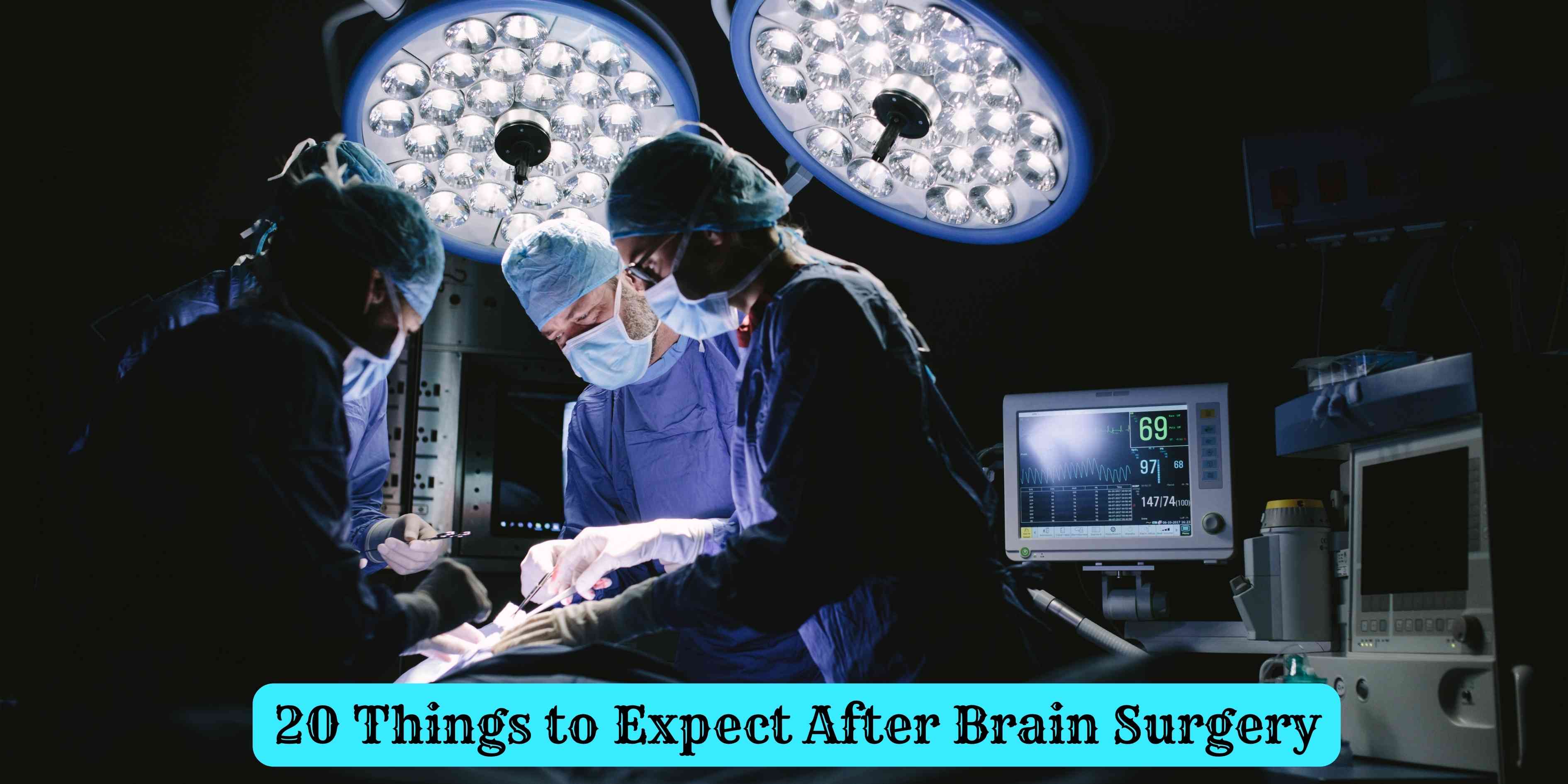
Brain surgery — whether craniotomy for tumor removal, aneurysm repair, epilepsy surgery, deep brain stimulation, or other neurosurgical procedures — is a major medical event with a recovery process that is often poorly understood before patients experience it. Recovery is highly variable depending on the specific procedure, the area of the brain involved, the patient’s age and baseline health, and individual neurology. What follows covers the most commonly reported experiences across a range of brain surgeries — but your surgeon and care team are the authoritative source for what to expect in your specific situation.
In the Immediate Post-Surgery Period
1. Significant fatigue. The brain is energy-intensive and has just been through major trauma and stress, even in the most successful surgery. Profound exhaustion — deeper than anything most patients have experienced — is universal in the early recovery period. Patients who expected to feel improved immediately are frequently surprised by how depleted they feel.
2. Swelling and headaches. Brain tissue and surrounding structures swell in response to surgical trauma, often peaking at 48-72 hours. Headaches during this period are normal and managed with medication. The swelling itself can temporarily affect function — symptoms may seem worse in the first few days before they begin to improve.
3. Nausea and sensitivity to light and sound. These are common immediate post-operative symptoms related to anesthesia effects, medication, and the brain’s response to surgical stress. They typically improve within days.
4. Confusion and disorientation. Waking from anesthesia following brain surgery often involves a period of significant confusion, which is normal. Many patients have no memory of the first day or two following surgery. This confusion generally resolves, though the timeline varies.
5. Scalp sensitivity and numbness around the incision. The scalp nerves are affected by the incision and the retraction of tissue during surgery. Numbness, tingling, hypersensitivity, and itching around the surgical site are common and typically resolve over weeks to months.
The First Weeks at Home
6. Sleep disruption. The brain’s normal sleep architecture is disrupted by surgery and by the medications used in recovery. Many patients experience difficulty initiating sleep, unusual dreams, excessive daytime sleepiness, or a reversed sleep schedule. Sleep problems are among the most frustrating early recovery complaints.
7. Cognitive changes — attention, memory, and processing speed. Many patients notice that thinking feels slower, that following conversations requires more effort, that memory is less reliable, and that multitasking is difficult or impossible. These cognitive changes are normal in the first weeks to months and often improve significantly, though the timeline depends on the procedure.
8. Emotional lability and mood changes. Crying easily, irritability, anxiety, and emotional reactions that feel disproportionate to the situation are common and are related to both the direct effects of surgery on the brain and the psychological experience of major medical trauma. Patients who were not prone to emotional volatility before surgery are sometimes alarmed by these changes; they typically improve.
9. Activity restrictions. No driving (typically for weeks to months depending on the procedure and whether seizures are a risk), no lifting, restricted physical activity, no strenuous exercise — these restrictions can feel isolating and frustrating but exist because the healing brain and surgical site are genuinely vulnerable during this period.
10. Hair loss around the surgical site. Depending on where and how large the incision was, patients may have a shaved area that is sometimes larger than expected. Hair grows back in most cases, though some patients have permanent hair loss in the incision area.
Intermediate Recovery (Weeks to Months)
11. Variable energy levels. Recovery is not a straight line upward. Many patients describe good days followed by days that feel like setbacks — days of high fatigue, increased symptoms, and discouragement. This variability is normal and should not be interpreted as something going wrong.
12. Sensory changes. Depending on the location of surgery, patients may experience changes in vision, hearing, smell, taste, or sensation in limbs. Some of these resolve; others are permanent sequelae of the surgery. Your surgeon should have discussed what sensory changes are possible or expected for your specific procedure.
13. Speech and language changes. Surgery near or involving language areas of the brain (typically left hemisphere) can temporarily or permanently affect speech fluency, word-finding, reading, and writing. Speech therapy is often part of recovery for these patients.
14. Movement and coordination changes. Motor changes — weakness in limbs, balance difficulties, coordination problems — may be present following surgery near motor areas and require physical and occupational therapy as part of recovery.
15. Seizures. Depending on the reason for surgery, seizures may be a risk during recovery. Anti-seizure medications are commonly prescribed prophylactically. Patients are typically advised not to drive until they have been seizure-free for the period required by their state’s law (typically 3-12 months).
Emotional and Psychological Recovery
16. Depression and anxiety are common. Post-operative depression is documented following brain surgery and is not simply an emotional response to the experience — it has neurological components. Anxiety about symptoms, recovery timeline, and future health is also common. These are treatable, and patients should not suffer through them silently.
17. Identity changes and adjustment. Some patients experience a sense that the surgery has changed who they are — their personality, their emotional responses, their sense of self. This can be deeply disorienting, particularly for patients with surgery near frontal or limbic areas. Psychological support, including neuropsychology, is an important part of comprehensive recovery.
18. Caregiver relationship dynamics shift. Family members and partners who take on caregiver roles during recovery often experience their own stress, exhaustion, and emotional difficulty. The recovery affects the entire household, and support for caregivers — not only patients — is important.
Long-Term Considerations
19. Full recovery takes longer than expected. Most neurosurgeons will tell patients that full functional recovery from craniotomy-level surgery takes 6-12 months minimum, and often longer. Many patients feel significantly improved at 3-4 months but continue improving for a year or more. Impatience with recovery is universal and understandable; it does not accelerate the timeline.
20. Regular follow-up and imaging are part of long-term care.
Whatever the original reason for surgery — tumor, aneurysm, epilepsy, injury — brain surgery establishes a long-term relationship with neurosurgery follow-up that includes regular appointments, imaging (MRI or CT), and ongoing monitoring. This follow-up is not a sign that something is wrong; it is standard care that allows early detection of any changes and provides reassurance during the years when uncertainty is highest. Many patients find that the ongoing relationship with their medical team is one of the most stabilizing parts of recovery — knowing that someone is watching carefully for what they cannot see themselves.