

11 Signs It Might Be Time for Assisted Living
Assisted living may be worth considering when daily life at home is no longer safe, manageable, or socially healthy.
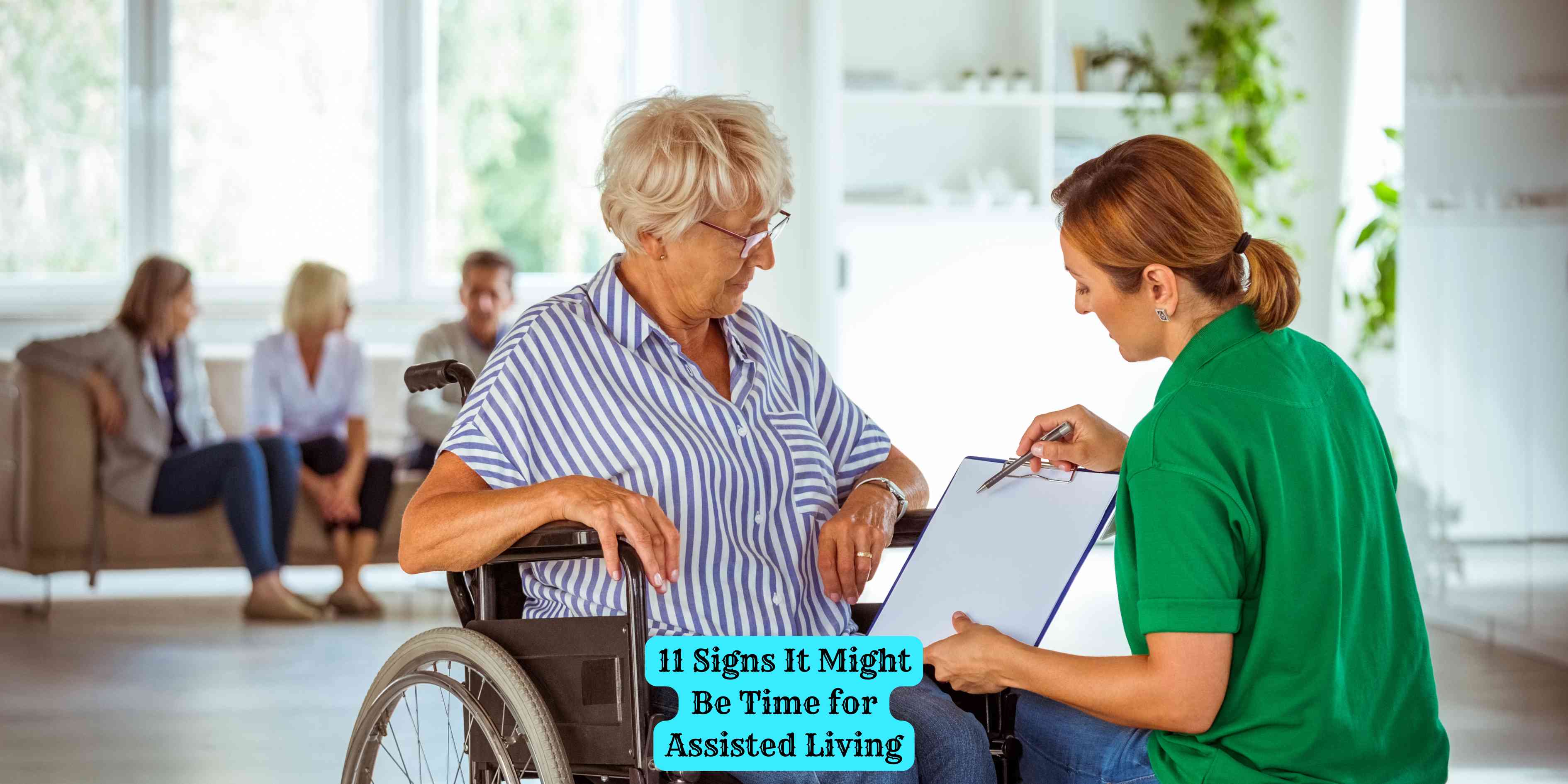
It might be time for assisted living when an older adult can no longer live safely or comfortably at home without more help than family, friends, or occasional services can provide. Signs may include falls, missed medication, poor nutrition, isolation, memory problems, unsafe housekeeping, caregiver burnout, and frequent medical crises.
Assisted living should be considered as a support decision, not as a punishment or proof that someone has failed.
1. Falls or Near Falls Are Becoming Common
Frequent falls, unexplained bruises, or repeated near falls are serious warning signs. Even one fall can lead to injury, fear, and loss of confidence.
Assisted living may help when a person needs safer surroundings, mobility support, supervision, or help moving through daily routines.
The goal is not to remove independence. The goal is to reduce preventable harm.
2. Medication Is Being Missed or Taken Incorrectly
Many older adults take several medications. If pills are skipped, doubled, confused, or taken at the wrong time, health can decline quickly.
Warning signs include expired medications, full pill bottles, repeated hospital visits, dizziness, confusion, or worsening symptoms.
Assisted living communities often provide medication reminders or management, depending on the level of care offered.
3. Meals and Nutrition Are Declining
A person may need more support if the refrigerator is empty, food is spoiled, weight is dropping, or meals have become mostly snacks and packaged foods.
Poor nutrition can increase weakness, confusion, falls, infections, and slow healing.
Assisted living can provide regular meals, social dining, hydration reminders, and monitoring when appetite or cooking ability declines.
4. Personal Care Is Becoming Difficult
Difficulty bathing, dressing, grooming, toileting, or changing clothes may signal that home life is becoming too hard.
These changes can happen because of pain, weakness, memory loss, depression, fear of falling, or limited mobility.
Assisted living can help with activities of daily living while still allowing the resident to do what they can independently.
5. The Home Is Becoming Unsafe
Look for piles of mail, unpaid bills, cluttered walkways, spoiled food, broken appliances, poor lighting, or fire hazards.
An unsafe home does not always mean a person is careless. It may mean the tasks required to maintain the home have become too demanding.
When home upkeep creates risk, a more supported environment may be healthier.
6. Memory Problems Are Affecting Safety
Forgetting names occasionally is different from forgetting to turn off the stove, wandering, missing appointments, or becoming confused about familiar places.
Memory changes that affect safety deserve medical attention. Assisted living may help if a person needs reminders, structure, or supervised routines.
Some people may need memory care rather than standard assisted living, so an assessment matters.
7. Isolation Is Increasing
Social isolation can harm emotional and physical health. An older adult may stop seeing friends, avoid hobbies, miss religious services, or spend most days alone.
Isolation can happen because of driving problems, grief, hearing loss, illness, or fear of falling.
Assisted living may offer meals, activities, transportation, and daily social contact.
8. Driving Is Becoming Unsafe
If driving has become unsafe, an older adult may struggle to reach doctors, pharmacies, grocery stores, and community events.
Warning signs include new dents, traffic tickets, getting lost, slow reaction time, or family fear about riding with them.
Assisted living can reduce transportation pressure by offering scheduled rides and access to basic services.
9. Caregiver Capacity Is Being Stretched Too Thin
Family caregivers often wait too long before admitting they are exhausted. Burnout can lead to resentment, mistakes, health problems, and unsafe care.
If one caregiver is managing meals, appointments, bathing, medications, finances, and emergencies alone, the situation may no longer be sustainable.
Assisted living can protect both the older adult and the caregiver.
10. Medical Crises Are Becoming More Frequent
Frequent emergency room visits, hospital stays, infections, dehydration, falls, or unmanaged chronic conditions may suggest that home support is not enough.
Assisted living is not a hospital, but it can provide routine assistance that prevents some crises from escalating.
A healthcare provider can help determine whether assisted living, home care, skilled nursing, or another option fits best.
11. Quality of Life Is Declining
The decision is not only about danger. It is also about quality of life.
If a person is lonely, afraid, overwhelmed, underfed, inactive, or unable to enjoy daily routines, more support may improve life rather than limit it.
The best conversations include the older adult whenever possible, respect their preferences, and focus on safety, dignity, and belonging.