

10 Reasons to Celebrate Diwali
Diwali is one of the most celebrated festivals on earth. These ten reasons explain why it holds such profound meaning — spiritually, culturally, and as a human celebration of light.
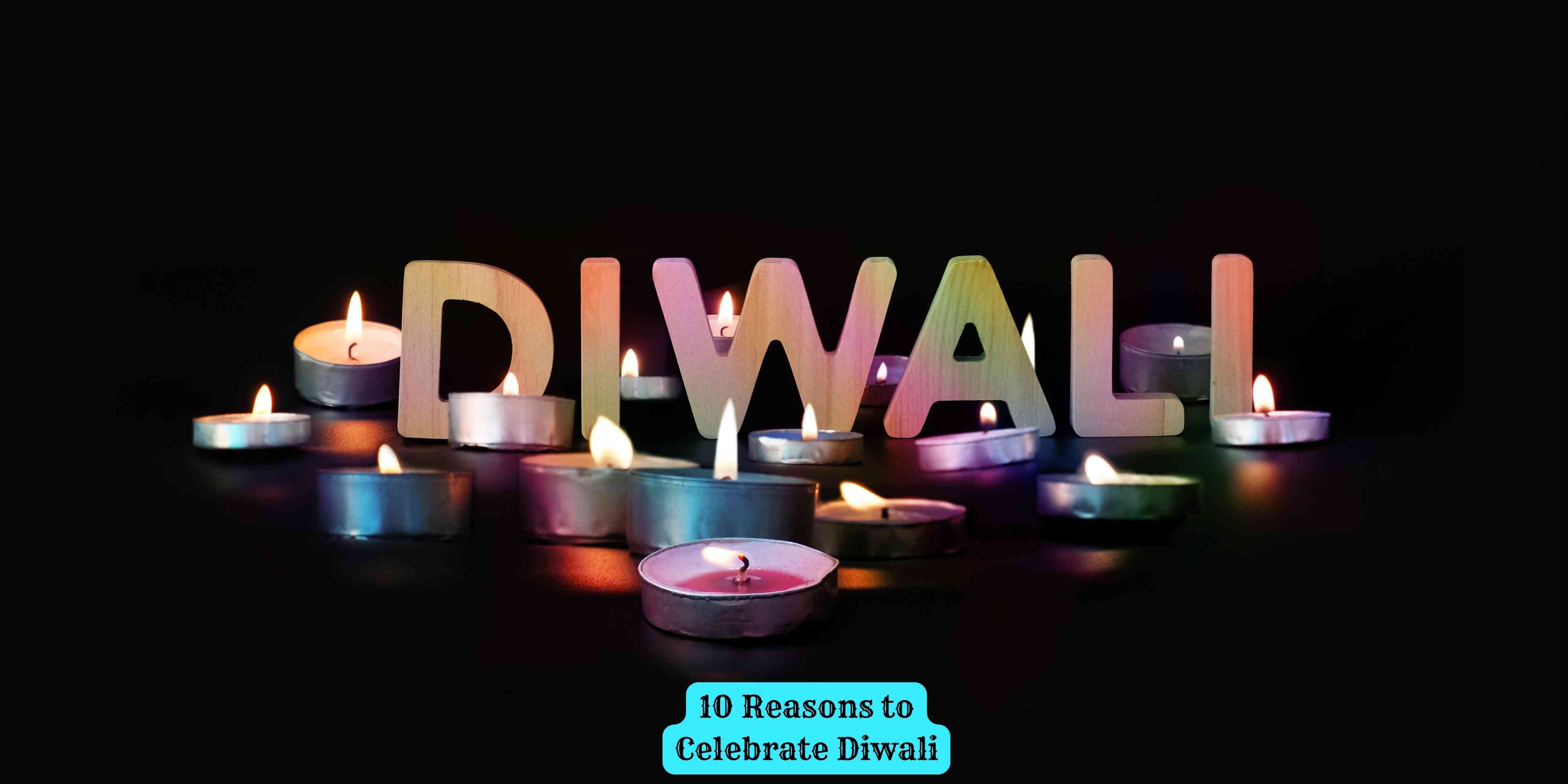
Diwali — the Festival of Lights — is one of the most widely observed festivals in the world, celebrated by over one billion people across Hindu, Jain, Sikh, and some Buddhist communities, as well as by people who simply appreciate its spirit of light, renewal, and community. It is observed across five days each autumn, typically falling in October or November. The reasons to celebrate it are as varied as the communities that observe it.
1. The Triumph of Light Over Darkness
The most universal meaning of Diwali is the symbolic victory of light over darkness — and by extension, of knowledge over ignorance, good over evil, and hope over despair. Lighting diyas (oil lamps) is the central act of the festival, and the meaning behind each lit lamp is the same: a declaration that darkness does not have the final word. This message transcends any single religious tradition and speaks to something universally human.
2. The Return of Lord Rama
In the Hindu tradition, Diwali celebrates the return of Lord Rama to Ayodhya after fourteen years of exile and his victory over the demon king Ravana. The people of Ayodhya lit oil lamps to guide his path home and to express their joy at his return. The festival commemorates this moment of divine homecoming and the triumph of righteousness — a story from the Ramayana whose moral dimensions have endured for millennia.
3. The Worship of Goddess Lakshmi
On the main night of Diwali, Lakshmi — the goddess of wealth, prosperity, and good fortune — is worshipped in Hindu households. It is believed that Lakshmi visits homes that are clean, bright, and welcoming. The cleaning, decorating, and lighting of homes that precede Diwali is partly an invitation to Lakshmi’s presence — a prayer for prosperity in the year ahead expressed through welcoming, beautiful preparation.
4. New Beginnings and Fresh Starts
Diwali falls at the end of the Hindu calendar year, and the day after the main Diwali night marks the beginning of the new year in some regional traditions. The festival carries the energy of endings and beginnings — releasing the old year with gratitude and welcoming the new one with intention. Many families use Diwali to settle debts, repair relationships, and begin new financial and personal commitments.
5. Family Reunion and Togetherness
Like major festivals in every tradition, Diwali gathers families. The preparation — cleaning the home, making or buying sweets, shopping for new clothing, arranging decorations — is as much a social process as a spiritual one. Diwali is a time when extended families come together, when neighborhoods become communal rather than private, and when the bonds of community are renewed through shared celebration.
6. The Festival of Sweets and Food
Diwali is inseparable from food — particularly sweets. Mithai (traditional Indian sweets) are made at home, purchased from sweet shops, and gifted to neighbors, friends, and extended family. The abundance of food, the sharing of it, and the cultural richness of regional sweet traditions is one of Diwali’s most beloved dimensions. Every region of India has its own Diwali specialties, and the food itself is a form of cultural expression and generational connection.
7. The Jain Observance of Mahavira’s Nirvana
In the Jain tradition, Diwali marks the anniversary of the nirvana (spiritual liberation) of Lord Mahavira, the last tirthankara of Jainism, in 527 BCE. For Jains, Diwali is a time for prayer, fasting, spiritual reflection, and the remembrance of Mahavira’s teachings. The lighting of lamps symbolizes the illumination of knowledge that Mahavira’s liberation represents.
8. The Sikh Celebration of Bandi Chhor Divas
In the Sikh tradition, Diwali coincides with Bandi Chhor Divas — the day that celebrates the release of Guru Hargobind Sahib from the Gwalior Fort in 1619, along with 52 other princes he refused to leave without. The Golden Temple at Amritsar is spectacularly illuminated on this day. The celebration honors courage, freedom, and the Guru’s compassion in refusing to accept his own freedom without securing the freedom of others.
9. The Vibrant Sensory Experience of the Festival
Diwali is genuinely beautiful — an aesthetic experience of extraordinary richness. The diyas lining every windowsill and step, the rangoli patterns (intricate floor art made from colored powder or flowers) at doorways, the fireworks in the sky, the new clothing, the lit bazaars and markets — the sensory richness of Diwali is a reason to celebrate it in itself. It is one of the most visually spectacular communal observances in the world.
10. A Universal Message for All People
Diwali’s core message — that light can prevail over darkness, that renewal is always possible, that community and family and generosity are worth celebrating — is not exclusive to any single tradition. People of every background can find meaning in a festival that celebrates the lighting of lamps in the dark. The worldwide spread of Diwali observance across cultural boundaries reflects this universal resonance — a message of hope, expressed in light, that belongs to everyone willing to receive it.